9 Myths About Medical Spa Treatments
You’re standing in front of the mirror doing that thing again – the one where you pull your skin back just slightly at the temples, or press a finger gently under your chin, or squint at whatever that texture situation is happening on your cheeks. You’ve been doing this for months, maybe years. And somewhere between your third scroll through before-and-after photos at midnight and your fourth conversation with a friend who swears by her “little treatments,” you’ve started wondering if maybe… it’s time.
But then the doubts creep in. Isn’t that stuff only for celebrities? Doesn’t it look fake? Aren’t those treatments basically permanent – like, what if you hate it? And honestly, isn’t it kind of vain to even consider this?
Here’s the thing. You’re not alone in any of those thoughts. Not even a little.
Medical spa treatments have become genuinely mainstream – we’re talking millions of people every year choosing everything from Botox to laser resurfacing to body contouring – and yet the myths surrounding them have somehow kept pace with their popularity. For every real person quietly maintaining their results and feeling fantastic, there’s a chorus of misconceptions floating around that were never accurate to begin with, or maybe were true once upon a time and just… haven’t caught up with how much the field has changed.
It’s a lot like how people used to think going to the gym was only for bodybuilders. The culture shifted. The reality shifted. But the old stories? They linger.
Why Bad Information Actually Hurts You
This isn’t just about setting the record straight in some abstract way. Myths about medical spa treatments have real consequences for real people. Someone avoids a treatment that could genuinely improve their quality of life because they’ve heard it’s “dangerous.” Someone else jumps in without asking the right questions because they think these procedures are totally casual and require zero consideration. Both extremes – the unnecessary fear and the breezy dismissal – come from the same place: not having accurate information.
And in a field where the quality of your experience depends enormously on who’s performing your treatment, what’s being used, and whether it’s actually right for your specific situation, misconceptions aren’t just annoying. They can genuinely lead you astray.
There’s also something else worth naming here – the shame piece. Some people avoid even researching medical spa treatments because they’ve absorbed this idea that wanting one means you’ve somehow failed at “aging gracefully” or that you’re shallow. That myth might be the most insidious one of all, and it doesn’t even make the typical listicle about injectables. We’ll get to that.
What You’re Actually Going to Learn Here
We’ve pulled together nine of the most persistent, most widely believed myths about medical spa treatments – the ones that come up in consultations constantly, the ones that circle endlessly on social media, the ones your well-meaning aunt repeats with total confidence even though she’s never actually stepped foot in a med spa.
Some of these myths will surprise you. A few might make you a little annoyed that you believed them as long as you did (no judgment – genuinely, some of these are everywhere). And at least one or two will probably make you feel a lot more comfortable about something you’ve been quietly curious about.
We’re not here to sell you on any specific treatment, or to tell you that everyone should run out and get something done. That’s not how this works. Bodies are different, goals are different, budgets are different – and honestly, the best outcome from reading this is that you feel equipped to make your own informed decision, whatever that decision turns out to be.
What we are here to do is cut through the noise. Because you deserve information that actually reflects reality – not the 2003 version of reality, not the sensationalized social media version, and definitely not the “I heard from someone who heard from someone” version.
So if you’ve ever been curious, or skeptical, or somewhere in that complicated middle ground between the two… this is for you. Let’s clear some things up.
What We Actually Mean When We Say “Medical Spa”
Here’s where things get a little murky right from the start – and honestly, the confusion is understandable. The term “medical spa” gets thrown around pretty loosely these days. A place that offers cucumber facials and a guy in scrubs standing somewhere near the back? That’s not quite it. A true medical spa (sometimes called a “med spa”) operates under the supervision of a licensed physician and offers treatments that go beyond what a traditional day spa can legally perform.
Think of it like the difference between a gym and a physical therapy clinic. Both involve exercise and movement, both might even smell the same, but one is operating in a medically regulated space with clinical oversight. That distinction matters enormously when we’re talking about what treatments can be offered, who can administer them, and what kind of results you can actually expect.
The treatments at a legitimate med spa typically include things like Botox and dermal fillers, laser hair removal, body contouring, and chemical peels. These aren’t spa-day indulgences – they’re medical procedures that happen to take place in a more relaxed, aesthetically pleasant environment than a traditional doctor’s office. Less fluorescent lighting, more ambient music. Same level of clinical responsibility, though.
Why the Myths Exist in the First Place
So where do all these misconceptions come from? Honestly… a few different places at once.
Social media plays a huge role. When you’re scrolling through before-and-after photos and influencer testimonials, you’re getting a very curated slice of reality. Nobody posts the “this took six months and three sessions to work” version. You get the dramatic transformation, the glowing skin, the effortless confidence – and naturally, your brain starts filling in gaps with assumptions that may or may not be accurate.
Marketing language doesn’t help either. Words like “non-invasive,” “painless,” and “instant results” get stretched to their absolute limits in this industry. Technically true in some narrow context, often misleading in the broader one. It’s a bit like a restaurant advertising “fresh ingredients” – sure, but fresh compared to what?
And then there’s the sheer variety of treatments available. Med spa services cover such a wide range – from something as quick as a Botox appointment to more involved body contouring protocols – that it’s nearly impossible for a casual observer to develop accurate expectations across the board. What’s true for one treatment flatly doesn’t apply to another.
The “Medical” Part Is Actually the Important Part
Here’s something counterintuitive that trips a lot of people up: the fact that med spa treatments feel relaxing and low-key can actually make them feel less serious than they are. You’re in a nice room, maybe there’s soft lighting, someone offers you water with lemon. It doesn’t feel like medicine.
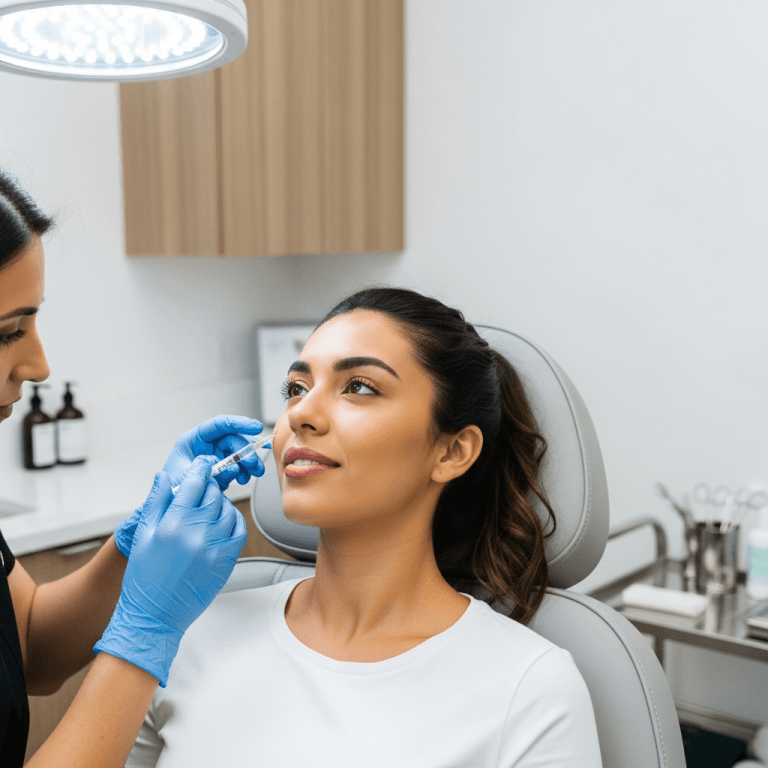
But the active ingredients, devices, and procedures being used? Those are legitimate medical interventions. Botulinum toxin – what we know as Botox – is a prescription medication. Laser devices operate at levels that can permanently alter skin and tissue. Injectables go into your face. The comfortable environment is a feature, not an indication that you should treat the whole thing casually.
This is actually why understanding the basics matters before we start unpacking the myths. If you go in thinking of a med spa treatment the way you’d think about a massage – something nice you’re treating yourself to, results optional – you might misinterpret what’s happening, what to expect, and whether something is working the way it should.
A Quick Note on Individual Results
You’ve seen the disclaimer – “results may vary” – so many times it’s basically become invisible. But in the context of med spa treatments, it’s genuinely important. Things like skin type, age, metabolism, lifestyle habits, and even stress levels can influence how well a treatment works for a specific person.
That’s not a cop-out. It’s just biology. Two people doing the exact same treatment protocol with the exact same provider can have noticeably different outcomes, and both results can be completely normal. Keeping that in mind will actually help the myth-busting ahead make more sense – because a lot of these misconceptions come from comparing one person’s experience to another’s and assuming the difference means something went wrong.
It usually didn’t.
What to Actually Ask Before You Book Anything
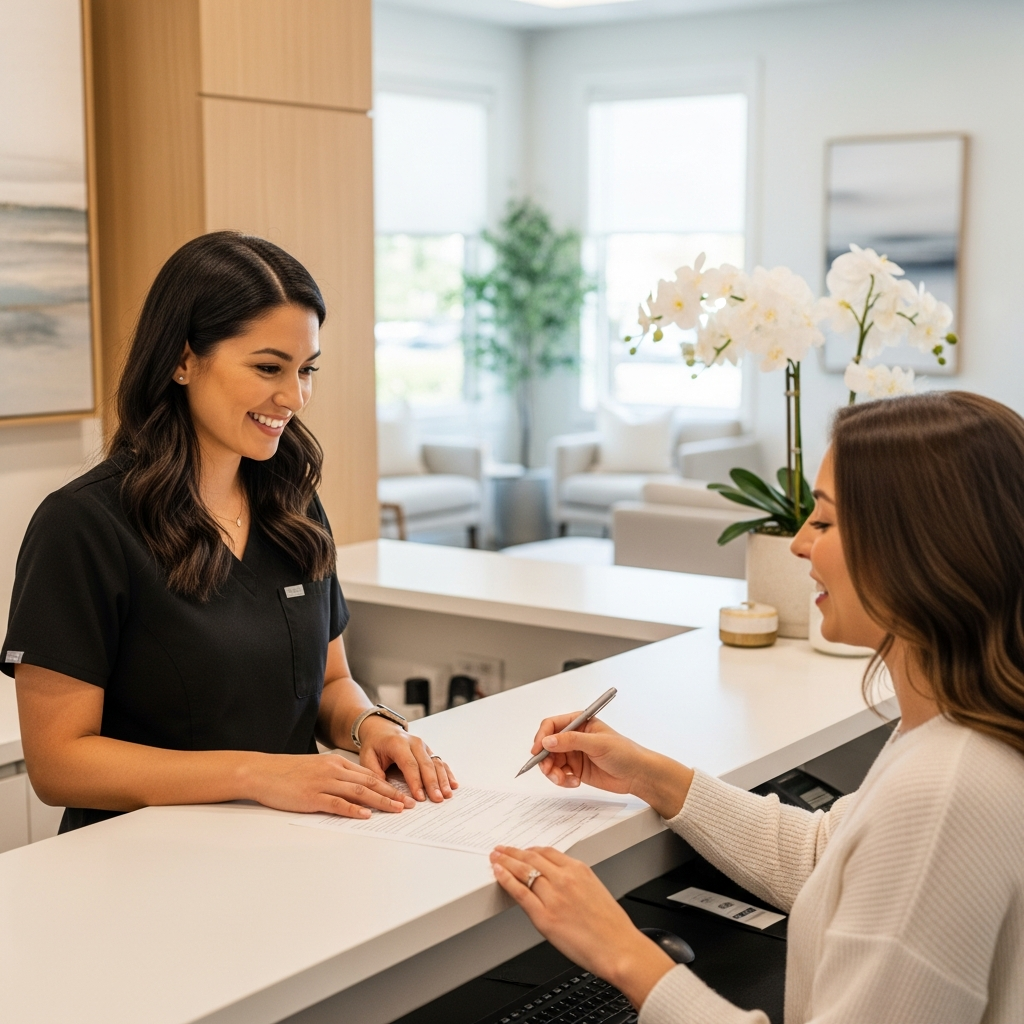
Here’s the thing nobody tells you when you’re standing at the reception desk, credit card in hand: the consultation is where you learn everything. Don’t waste it nodding along politely. Ask your provider directly – “What’s your personal experience with this treatment?” Not the clinic’s experience. *Theirs.* An injector who’s done 50 rounds of Botox is a very different person than someone who’s done 5,000. That number matters.
Also ask to see a “before and after portfolio” that includes patients who actually look like you – similar age, skin tone, and concern. Generic photos of 25-year-olds don’t tell you much if you’re 47 with sun damage and deeper lines.
One more thing worth asking, even if it feels awkward: “What happens if I don’t like the result?” Know the answer before you commit.
Timing Your Treatment Is Smarter Than You Think
Most people book medspa appointments the way they book haircuts – whenever there’s an opening. Big mistake. Some treatments have real timing considerations that can dramatically affect your results.
Laser treatments and chemical peels, for instance, should be scheduled when you’re *not* heading into weeks of intense sun exposure. Planning a beach vacation in three weeks? Push it back. Your freshly treated skin is essentially asking to be damaged. Similarly, if you’re getting injectables, avoid booking right before a major event. Give yourself at least two weeks – bruising is genuinely unpredictable, and nobody wants to walk down the aisle looking like they lost a boxing match.
Menstrual cycles actually matter here too (sorry, but they do). Skin sensitivity spikes in the days before your period, and pain tolerance tends to dip. If you’re prone to bruising, scheduling laser or needling treatments mid-cycle can make the whole experience more comfortable and less dramatic on your skin.
The Pre-Treatment Checklist Nobody Hands You
Most clinics will give you a generic prep sheet. Follow it – but go further.
Stop taking fish oil, vitamin E, and ibuprofen at least a week before any injectable or needling treatment. These thin your blood and make bruising significantly worse. Alcohol does the same thing, so skip the wine the night before. Arnica supplements, taken a few days ahead, can actually help minimize bruising – ask your provider if they recommend it for your specific treatment.
If you’re getting any laser work done, start applying SPF 30+ religiously at least two weeks before your appointment. Tanned or recently sun-exposed skin is more prone to hyperpigmentation post-treatment. This is especially true for anyone with a medium to deep skin tone – it’s not a scare tactic, it’s just biology.
And honestly? Show up with a clean face. No makeup, no heavy moisturizer. Your provider will probably ask you to remove it anyway, and it just slows everything down.
After Your Treatment – Don’t Ruin the Work
This is where people go sideways more often than you’d expect. They invest in a treatment and then unknowingly undermine it in the first 48 hours.
After injectables, don’t lie face-down for at least four hours. Don’t schedule a hot yoga class. Don’t get a facial massage. The product needs time to settle where it’s supposed to settle – moving it isn’t an abstract risk, it’s a real one.
After laser or peel treatments, your skin barrier is compromised. That means no actives – no retinol, no AHA/BHA, no vitamin C serums – until your skin has fully calmed down. We’re talking a minimum of five to seven days, sometimes longer. Use the boring stuff: gentle cleanser, plain moisturizer, SPF. That’s it.
Actually, that reminds me – hydration is genuinely underrated in the recovery phase. Drinking water won’t undo sun damage, but your skin heals noticeably better when you’re well-hydrated. It sounds almost too simple, but providers notice the difference.
Follow-Up Appointments Aren’t Optional
One treatment is rarely the whole story. Most results – whether from injectables, laser resurfacing, or body contouring – build over time and benefit from maintenance. Before you leave your appointment, book the follow-up. Not because the clinic needs the revenue, but because showing up consistently is genuinely what separates good results from great ones. Your provider can also track how your skin is responding and adjust the approach if something isn’t working the way it should. That feedback loop? It’s where the real magic happens.
The Part Nobody Warns You About
Look, most articles about med spa treatments are basically just long advertisements. They tell you the good stuff, gloss over the awkward bits, and send you on your way feeling vaguely optimistic. We’re not going to do that.
Because here’s the thing – the people who get the best results aren’t the ones who had the easiest time. They’re the ones who knew what to expect when things got bumpy.
Managing Expectations When Progress Feels Invisible
This is genuinely the hardest part for most people. You’ve invested real money, you’ve shown up for your appointments, and three weeks in you’re standing in front of the mirror thinking… nothing’s happening. Is this working? Did I waste my money?
Probably not. But that doubt is real, and it’s worth addressing head-on.
Most med spa treatments work on a timeline your impatience wasn’t consulted about. Collagen remodeling, fat cell elimination, muscle-building protocols – they’re happening at a cellular level before they’re visible at a mirror level. The gap between “it’s working” and “I can see it’s working” can be weeks. Sometimes longer.
The practical solution here isn’t just “be patient” – that’s useless advice. Take photos. Weekly. Same lighting, same angle, same time of day. The camera catches what our eyes miss because our brains adapt to gradual change. Most people who feel like nothing happened are genuinely shocked when they compare week one to week eight side by side.
When Side Effects Catch You Off Guard
Nobody loves the fine print, but this is where it actually matters. Swelling, redness, tenderness, that weird temporary “harder before softer” thing that happens with body contouring – these are normal. They’re also completely alarming if you weren’t expecting them.
The challenge isn’t just physical. It’s the mental spiral that follows. *Is this normal? Did something go wrong? Should I call someone?*
Here’s an honest answer: call your provider anyway. A good clinic wants to hear from you. If it’s normal, they’ll reassure you. If something actually needs attention, you’ll be glad you spoke up. Don’t sit home consulting symptom forums at midnight – that never ends well for anyone.
One genuinely underrated solution is asking your provider, before you leave your appointment, to walk you through exactly what the next 72 hours might look like. Specifics. Not “some redness is possible” but “you might see X, and if you see Y, here’s what to do.” That conversation takes five minutes and can save you days of unnecessary anxiety.
The Maintenance Problem (This One’s Sneaky)
A lot of people don’t realize that many treatments require upkeep – and when they find out, it feels like a bait-and-switch. It’s not, but we understand why it feels that way.
The honest reality is that your body keeps doing what bodies do. Muscles relax. Skin ages. Fat cells, if you didn’t change the habits that created them, can be replaced. Some treatments offer longer-lasting results than others, but very few are truly permanent without some level of maintenance.
The solution isn’t necessarily booking endless follow-up appointments though. It’s going in with a plan. Ask your provider what a realistic maintenance schedule looks like for your specific treatment – and what it’ll actually cost over a year, not just the initial series. That way you’re budgeting for reality, not a brochure.
When Life Gets in the Way of Your Protocol
Missing appointments, forgetting aftercare instructions, eating like you’re on vacation during a body contouring series… these things happen. Life is genuinely chaotic.
What trips people up isn’t making these mistakes – it’s feeling so guilty about them that they abandon the whole thing. One missed session isn’t a catastrophe. Two weeks of imperfect eating doesn’t erase real progress.
Actually, that reminds me of something providers mention all the time – they’d rather you call and reschedule than just disappear. Treatments can often be adjusted. Protocols can flex. What’s hard to recover from is quitting entirely when you’re more than halfway there.
Communicate with your care team. Not after everything falls apart, but when you feel it starting to slip. That’s what they’re there for.
Finding a Provider You Actually Trust
This might be the biggest hurdle of all – and the one with the most at stake. The med spa industry has real variation in quality. Some clinics are excellent. Some are not.
Do your homework before you commit. Check credentials, ask about who’s actually performing your treatment (not just who’s supervising), and notice how your questions are handled. A provider who gets defensive or rushes you? That’s information. The right clinic makes you feel like a person, not a transaction.
What to Actually Expect (And When)
Let’s be honest with each other for a second. The before-and-after photos you see on clinic websites? Those are the best-case scenarios. The people who responded beautifully, photographed well, and had the kind of results that make great marketing material. That doesn’t mean your results won’t be great – they very well might be – but going in with realistic expectations is probably the single most important thing you can do for your experience.
Most people leave their first appointment feeling… fine. Maybe a little puffy, a little red, sometimes nothing at all. That quiet, undramatic exit is completely normal. It doesn’t mean nothing is happening.
The Timeline Is Slower Than You Think
Here’s the thing nobody puts in the headline: most treatments work gradually, over weeks or months. Neurotoxins like Botox typically take 7-14 days to fully settle. Filler results are more immediate but can shift slightly as swelling resolves – what you see on day one isn’t always what you get by day ten. Laser treatments and skin resurfacing? You might look worse before you look better, and that’s not a sign something went wrong.
Body contouring treatments are probably the biggest test of patience. Technologies like CoolSculpting or radiofrequency treatments can take 8-12 weeks to show their full effect. Your body is literally processing and eliminating fat cells during that time. It’s doing real work – you just can’t see it happening. Checking the mirror obsessively at week two is going to drive you crazy and tell you almost nothing useful.
“Why Don’t I See Results Yet?”
This is one of the most common calls clinics get, and it’s completely understandable. You’ve spent money, you’ve shown up, and now you’re waiting. That’s uncomfortable. A few things worth knowing
Results often sneak up on you rather than arriving dramatically. One day you’ll catch yourself in a certain light and think, *huh, something looks different.* Your friends might notice before you do – which is actually kind of the goal with subtle treatments.
Also worth mentioning – stress, sleep, hydration, and overall health genuinely affect how your body responds to treatments. It’s not just a disclaimer. Someone going through a particularly rough stretch might heal a little slower or see results take longer. Your body is dealing with a lot of things at once.
Multiple Sessions Are Usually the Reality
Single-session miracles are mostly a myth. Most providers will tell you upfront that a series of treatments gets significantly better results than one-and-done. That’s not just a sales strategy – it reflects how these technologies actually work. Skin doesn’t transform overnight. Collagen remodeling takes time and repeated stimulus. Fat reduction builds on itself.
This is worth factoring into your planning – both financially and mentally. If you’re budgeting for one session and hoping that’s it, have that conversation honestly with your provider before you start. A good clinic would rather help you plan realistically than have you disappointed and feeling like treatment failed when really it just needed more time.
Your Follow-Up Appointment Matters More Than You Think
A lot of people skip follow-ups once they feel like things went fine. Totally get it – life is busy. But that check-in appointment is where your provider assesses what your specific body did with the treatment, adjusts the plan if needed, and catches anything minor before it becomes a question mark in your head at 11pm.
It’s also where you get to say, honestly, “I expected more” – and that conversation is valuable. Maybe a touch-up is appropriate. Maybe your expectations need recalibrating. Maybe there’s a complementary treatment that would get you closer to your goal. You don’t know until you have the conversation.
What “Normal” Looks Like After Treatment
Some swelling, tenderness, or redness – usually normal. Minor bruising – pretty common, especially with injectables. Feeling like not much happened at all – also normal, especially in those first few weeks.
What warrants a call to your clinic: anything that feels disproportionate, worsens after a few days instead of improving, or just doesn’t sit right with your gut. You know your body. Trust that instinct.
The short version of all this? Be patient, be honest with your provider, and give treatments the time they actually need to work. Results that develop slowly tend to look more natural anyway – which, honestly, is what most people were hoping for in the first place.
There’s something both frustrating and kind of freeing about finally separating fact from fiction on this stuff. Because here’s the thing – when you’ve been carrying around half-truths and outdated information, it can quietly hold you back from options that might genuinely help you feel better in your own skin. And you deserve better than that.
The reality is, most of the hesitation people feel around medical spa treatments isn’t laziness or vanity or fear of commitment. It’s confusion. It’s not knowing who to trust or what’s actually true. That’s completely understandable – the wellness world throws a *lot* of noise at you, and not all of it is honest.
What we hope you’re walking away with is a clearer picture. These treatments aren’t magic shortcuts, but they’re not snake oil either. They sit somewhere much more interesting – in that space where real science meets personalized care, where a trained provider actually looks at *you* as an individual rather than handing you a one-size-fits-all solution. That’s rare. And it matters.
Actually, that’s probably the biggest thing worth holding onto from all of this… the idea that good medical aesthetic care is collaborative. It’s a conversation, not a conveyor belt. The right clinic will ask questions, listen to your answers, explain what’s realistic, and build something that actually fits your life – your schedule, your budget, your goals. If a place isn’t doing that? Keep looking.
And speaking of realistic – please, give yourself some grace here. Whether you’re exploring these options because something has shifted with your body after kids or a health challenge, because you’ve tried everything else and feel stuck, or simply because you want to feel a little more like yourself again… all of those are valid reasons. Every single one. You don’t need to justify wanting to feel good.
You Don’t Have to Figure This Out Alone
If any part of this article sparked a “wait, maybe I *should* look into this” thought – trust that instinct. A simple consultation isn’t a commitment. It’s just a conversation. You can ask every question you’ve been too embarrassed to Google at 11pm (we all do it), get honest answers from someone who actually knows your specific situation, and then decide – with zero pressure – what feels right for you.
Our team genuinely loves those conversations. Not because we’re trying to sell you something, but because there’s something really meaningful about watching someone finally get clear on what their options are. That moment when the confusion lifts a little? That’s the good stuff.
So if you’re curious – even just a little – reach out. Send us a message, give us a call, or book a consultation when you’re ready. There’s no rush, no obligation, and absolutely no judgment about where you’re starting from or what questions you bring.
You’ve done the reading. You’ve got more information than most people walking through our door. Now it’s just about taking that next small step – when *you’re* ready, on *your* terms.
We’ll be here.