What Is SkinPen Microneedling and Is It Effective in Allen?
You catch yourself doing it again – running your finger along that acne scar on your cheek while sitting at a red light, wondering if other people notice it as much as you do. Or maybe it’s those fine lines that seem to have appeared overnight around your eyes, making you look tired even when you’re not. And don’t even get started on that uneven skin texture that no amount of expensive foundation seems to smooth over completely.
Here’s the thing about skin issues – they have this sneaky way of chipping away at your confidence, one mirror glance at a time. You’ve probably tried the serums (so many serums), the fancy cleansers, maybe even splurged on that department store cream that promised miracles in a jar. But your skin? Still telling the same old story.
If you’re nodding along right now, you’re definitely not alone. In Allen, where the Texas sun doesn’t exactly play nice with our complexions, plenty of folks are dealing with similar frustrations. The good news? There’s a treatment that’s been getting some serious buzz around here – and unlike those miracle creams, this one actually has the science to back up its claims.
Enter SkinPen microneedling. Now, before you wrinkle your nose at the word “needling” (I get it, it sounds a bit medieval), hear me out. This isn’t some medieval torture device we’re talking about. It’s actually one of the most elegant solutions modern dermatology has to offer – think of it as giving your skin a gentle wake-up call, encouraging it to do what it already knows how to do best: heal and renew itself.
The concept is surprisingly simple, which is part of its beauty. Those tiny, precise needles create controlled micro-injuries in your skin – so small you can barely see them, but significant enough to trigger your body’s natural healing response. Your skin basically goes, “Oh, we’re doing repairs now!” and kicks into high gear, producing fresh collagen and elastin. It’s like convincing your skin to turn back the clock on itself.
But here’s where it gets interesting for us here in Allen – not all microneedling is created equal, and not all providers know what they’re doing. You’ve probably seen those at-home derma rollers at the beauty store (you know, the ones that look slightly terrifying). While the idea might seem similar, the difference between professional SkinPen treatment and those DIY options is like comparing a precision Swiss watch to… well, a plastic toy from the dollar store.
The SkinPen is FDA-cleared, which means it’s met rigorous safety and effectiveness standards. More importantly, when it’s in the hands of a trained professional, it can be customized to your specific skin concerns and type. That matters more than you might think – especially here in North Texas where we’re dealing with everything from sun damage to hormonal changes to good old-fashioned genetics.
Now, I know what you’re probably thinking – does it actually work, or is this just another expensive way to separate you from your hard-earned money? Fair question. The research on microneedling is actually pretty impressive, with studies showing significant improvements in acne scars, fine lines, skin texture, and even stretch marks. But (and this is important) results can vary quite a bit depending on your individual skin, the skill of your provider, and how well you follow the aftercare instructions.
That’s exactly why we’re going to walk through everything you need to know about SkinPen microneedling – from how it actually works to what you can realistically expect, the cost considerations, and how to find a reputable provider right here in Allen. We’ll also talk about who’s a good candidate (spoiler: most people are), who should probably skip it, and what the whole experience is actually like from start to finish.
Because at the end of the day, you deserve to feel confident in your own skin. And if microneedling can help you get there… well, that’s worth exploring, don’t you think?
How Microneedling Actually Works (It’s Not What You’d Expect)
Here’s where things get a little weird – and honestly, kind of counterintuitive. The whole idea behind microneedling is essentially… creating tiny injuries on purpose. I know, I know – it sounds completely backwards, right?
Think of it like this: imagine your skin is like an old house that’s gotten a bit worn down over the years. The paint is chipped, there are some cracks in the walls, and things just don’t look as fresh as they used to. Now, you could try to just paint over everything and hope for the best… or you could do some strategic “controlled damage” that forces the house to rebuild itself properly.
That’s basically what the SkinPen does. Those tiny needles – we’re talking really small, like 0.25 to 2.5 millimeters deep – create microscopic channels in your skin. Your body immediately thinks “Oh no! Emergency repair mode!” and rushes to heal these minuscule wounds by producing fresh collagen and elastin.
It’s kind of brilliant, actually. You’re essentially tricking your skin into thinking it needs to renovate itself.
The Science Behind Your Skin’s Repair Response
When those little needles create their tiny channels, your body kicks into what scientists call the “wound healing cascade.” (Don’t worry – it’s not as dramatic as it sounds.) This happens in three main phases, and honestly, it’s pretty fascinating stuff.
First comes the inflammation phase – your skin’s initial “what just happened here?!” response. Blood flow increases to the area, bringing all sorts of healing goodies with it. Then there’s the proliferation phase, where your cells start multiplying like crazy and laying down new collagen fibers. Finally, there’s the remodeling phase, where everything gets organized and smoothed out.
The whole process takes about 4-6 weeks, which is why you won’t see immediate results. I wish I could tell you that you’ll wake up the next day with perfect skin, but… that’s just not how biology works. Your skin needs time to do its thing.
What Makes SkinPen Different from Other Microneedling Options
Now, you might be thinking – can’t I just buy one of those derma rollers online and do this myself? Well, you could, but that’s kind of like trying to perform surgery with a butter knife when you could use a scalpel instead.
The SkinPen is actually the first FDA-cleared microneedling device, which means it’s been through rigorous testing for both safety and effectiveness. The needles are surgical-grade stainless steel, they penetrate at precise depths, and the whole thing is designed to minimize trauma while maximizing results.
Those at-home rollers? They often have needles that are inconsistent in length, made from questionable materials, and can actually create more problems than they solve. Plus – and this is important – when a trained professional uses the SkinPen, they know exactly how deep to go for your specific skin concerns and how to keep everything sterile.
The Collagen Connection (Why This Matters More as We Age)
Here’s something that might make you feel slightly panicked: starting around age 25, we lose about 1% of our collagen each year. By the time you hit 50, you’ve lost roughly 25% of your skin’s structural support. That’s why things start to… well, not bounce back quite like they used to.
Collagen is basically your skin’s scaffolding – it’s what keeps everything plump, smooth, and resilient. When you have plenty of it, your skin looks like you’ve got great genes (even if you don’t). When it starts breaking down faster than your body can replace it… that’s when you start noticing fine lines, sagging, and that overall “tired” look that seems to creep up on everyone.
This is where microneedling becomes genuinely exciting. Instead of just trying to add collagen from the outside (which, let’s be honest, doesn’t work that well), you’re actually stimulating your own skin to produce more of it. It’s like giving your skin a personal trainer instead of just hoping it’ll get fit on its own.
The beauty of this approach is that the collagen your skin produces is your collagen – perfectly matched to your skin type and designed to last.
What to Actually Expect During Your First Session
Let’s be honest – walking into that first appointment can feel a bit nerve-wracking. Here’s what really happens: your technician will start with a thorough skin analysis (they’re looking for active breakouts, any suspicious spots, or areas that might need extra attention). Don’t worry about having a “perfect skin day” – they’ve literally seen it all.
The actual treatment? It feels like someone’s rolling a textured paint roller across your face with varying pressure. Some areas are totally fine, others make you want to grip the treatment chair. Your forehead and around your nose will likely be the most sensitive spots. The good news is that most sessions wrap up in about 30 minutes, and the discomfort stops the moment they lift the pen away.
Pre-Treatment Prep That Makes a Real Difference
Here’s something many clinics don’t emphasize enough: what you do the week before matters more than you think. Skip the retinol, vitamin C serums, and any exfoliating acids for at least 3-4 days prior. I know, I know – it feels counterintuitive to pause your skincare routine right before a skin treatment, but trust the process.
Also, if you’re someone who gets cold sores (even rarely), mention this during your consultation. The micro-trauma from needling can sometimes trigger an outbreak, and your provider might recommend starting antiviral medication a few days beforehand. It’s one of those things that’s way easier to prevent than deal with after the fact.
And here’s a practical tip: schedule your appointment for a Thursday or Friday if possible. You’ll want the weekend to let your skin calm down before facing the world again.
The Real Recovery Timeline (Not the Marketing Version)
Those “minimal downtime” claims? They’re technically true but… well, let’s just say your definition of minimal might differ from theirs. Day one, you’ll look like you have a moderate sunburn – think post-beach glow but redder. Day two is often the worst for most people; you might see some light peeling or flaking, especially around your mouth and chin area.
By day three, the redness typically calms down significantly, though you might still see some residual pinkness. Here’s what nobody tells you: your skin might feel tight and slightly rough for up to a week. It’s not painful, just… different. Like when you’ve been out in cold wind all day.
The real improvements start showing up around week two to three. That’s when people usually start commenting that your skin looks “really good” without being able to pinpoint exactly why.
Post-Treatment Care That Actually Works
Forget everything you think you know about post-procedure skincare for the first 24-48 hours. Your skin barrier is compromised, so less is definitely more. Stick to gentle, fragrance-free cleansing (think Cetaphil or CeraVe levels of boring), and a simple moisturizer.
Here’s a game-changer that many people overlook: a humidifier in your bedroom for the first few nights. Your skin is working overtime to repair itself, and extra moisture in the air genuinely helps the healing process.
Sunscreen becomes non-negotiable – and I mean truly non-negotiable. Your skin is more photosensitive for about two weeks post-treatment. Even that quick dash to your car can cause unwanted pigmentation issues that take months to fade.
When to See Results (And When to Worry)
Most people start noticing subtle improvements around the three-week mark – smoother texture, more even tone, maybe a bit more glow. But here’s the thing about microneedling: it’s not a dramatic overnight transformation. It’s more like… your skin slowly becomes the better version of itself.
The sweet spot for seeing significant changes is usually after your second or third session, spaced about 4-6 weeks apart. If you’re dealing with acne scarring, be patient with yourself. Those improvements can take 3-4 sessions to become really noticeable.
Red flags to watch for? Excessive swelling that lasts beyond day three, any signs of infection (increasing redness, warmth, or pus), or unusual pain that gets worse instead of better. When in doubt, call your provider. They’d rather hear from you unnecessarily than have you suffer through something that could be easily addressed.
The bottom line? Microneedling isn’t magic, but when done properly, it’s pretty darn effective at giving your skin that reset it’s been asking for.
The Price Tag Reality Check
Let’s be honest – microneedling isn’t exactly pocket change. In Allen, you’re looking at anywhere from $200-400 per session, and most people need 3-6 treatments to see real results. That’s… well, it’s a lot.
I get it. You’re already investing in skincare products, maybe some injectables, and now there’s another expense. The sticker shock is real, especially when you realize this isn’t a one-and-done deal.
The solution? Think about it like buying a good mattress – you’ll use your face every single day for the rest of your life. Some clinics offer package deals that bring the per-session cost down. Others have payment plans (because who has $1,200 just sitting around?). And honestly? Start with one treatment to see how your skin responds before committing to a full series. No shame in testing the waters first.
When Your Skin Decides to Throw a Tantrum
Here’s what nobody warns you about: sometimes your skin gets worse before it gets better. We’re talking redness that lasts longer than expected, little breakouts where there weren’t any before, or that lovely “purging” phase where everything under the surface decides to make an appearance.
I had one client text me three days post-treatment looking like she’d been sunbathing without sunscreen – not exactly the glow she was expecting. It’s scary when you’ve just dropped hundreds of dollars and your reflection looks… questionable.
The thing is, this is often normal (though it doesn’t feel normal when you’re living it). Your skin is literally healing from thousands of tiny injuries – of course there’s going to be some drama. But – and this is important – there’s a difference between normal healing and something going wrong.
Your game plan: Follow aftercare instructions religiously. No shortcuts. If redness persists beyond a week or you see signs of infection, call your provider immediately. Don’t suffer in silence or try to self-diagnose with Google. Trust me, Dr. Internet is not your friend here.
The Expectations vs. Reality Gap
Social media has ruined us, hasn’t it? You see these dramatic before-and-after photos – someone goes from pizza face to porcelain goddess in what seems like overnight. Then you get your treatment and… you still look like yourself. Just slightly red and irritated.
The truth? Most people see gradual improvements over months, not weeks. Your pores might look a tiny bit smaller. That acne scar might be 20% less noticeable. It’s subtle – your coworker probably won’t ask if you’ve had “work done.”
The mindset shift: Take photos before your first treatment (I know, nobody wants photos of their problem skin, but do it anyway). Then take them monthly. The changes are there – they’re just happening in slow motion. Also, focus on how your skin feels, not just how it looks. Many people notice their products absorb better, their makeup goes on smoother… these aren’t Instagram-worthy changes, but they matter.
Scheduling Chaos and Life Getting in the Way
Here’s a logistical nightmare nobody talks about: fitting microneedling into an actual human schedule. You need to avoid sun exposure, skip your retinoids for a few days, cancel that weekend pool party… and then life happens. Your kid gets sick. Work explodes. You realize you scheduled it three days before your high school reunion.
Plus, with multiple sessions spaced weeks apart, you’re basically planning your social calendar around tiny needles. It’s ridiculous when you think about it.
Making it work: Book all your sessions at once if possible – like standing dental appointments. Build in buffer days around important events. And communicate with your provider about your lifestyle. That beach vacation you forgot about? They need to know so you can reschedule appropriately.
When You’re the Only One Who Sees Results (Or Doesn’t)
Sometimes the hardest part isn’t the treatment itself – it’s managing your own perception. Maybe you’re seeing improvements but your critical inner voice is louder than the compliments. Or maybe everyone else swears you look amazing while you’re still fixated on that one stubborn line.
This is where having realistic expectations meets learning to be kind to yourself. Progress isn’t always linear, and honestly? Sometimes we’re our own worst critics.
The reality check: Keep a skin journal. Note improvements in texture, product absorption, makeup application – not just what you see in harsh bathroom lighting at 7 AM. And remember, good skincare is maintenance as much as improvement. Sometimes the win is that things aren’t getting worse.
What to Expect During Your First Treatment
Okay, so you’ve decided to give SkinPen microneedling a try. Smart choice, but let’s talk about what actually happens when you walk into that clinic in Allen – because honestly, knowing what’s coming helps quiet those pre-treatment jitters.
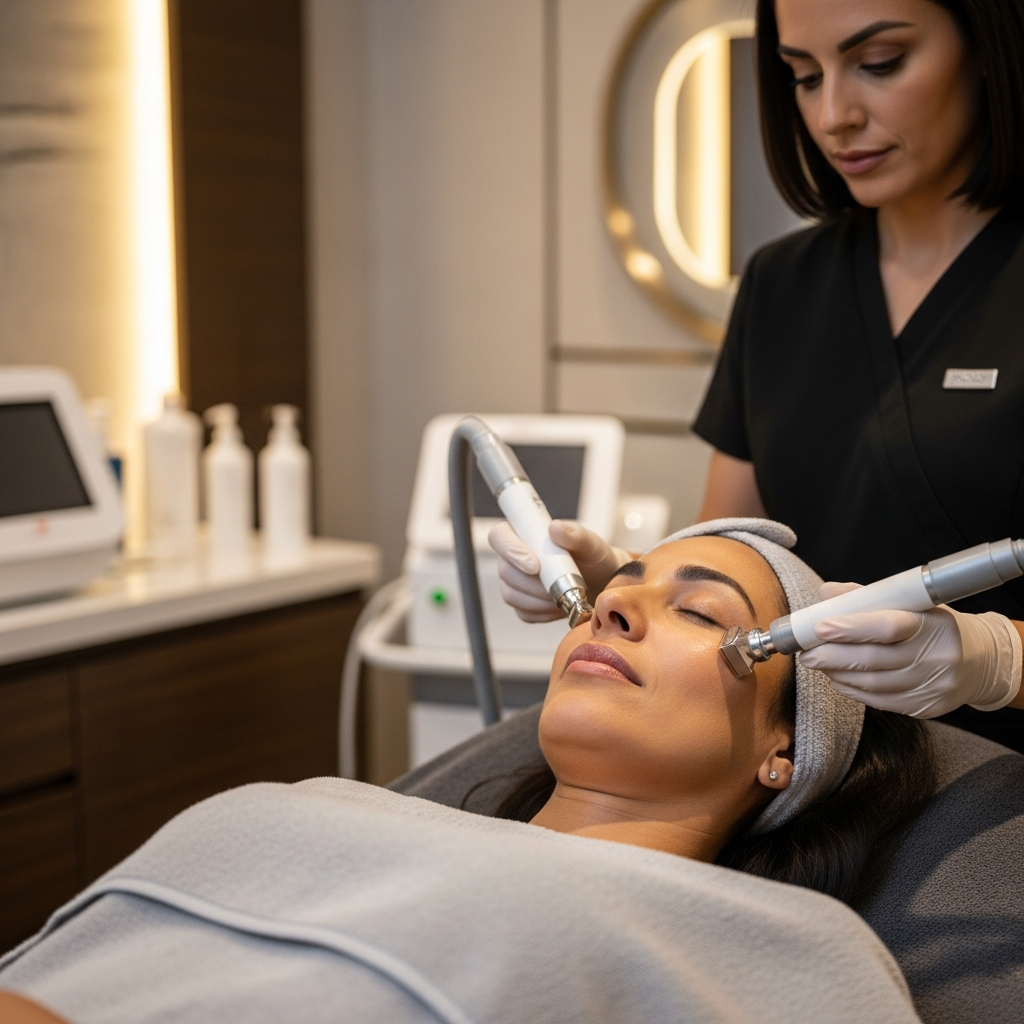
First things first: your provider will cleanse your face thoroughly and apply a topical numbing cream. This isn’t optional… trust me, you’ll want that numbing agent working its magic for about 20-30 minutes before the actual treatment begins. The SkinPen itself looks a bit like a thick marker with a vibrating tip – not scary at all, really.
During treatment, you’ll hear a gentle buzzing sound as the device moves across your skin. It feels like… well, imagine tiny pinpricks combined with light sandpaper. Not exactly comfortable, but definitely tolerable with the numbing cream. Most people describe it as a “scratchy” sensation rather than actual pain. The whole process typically takes 30-45 minutes, depending on the area being treated.
Your face will look pretty red afterward – think moderate sunburn. This is completely normal and actually a good sign that your skin is responding properly. Some people also experience minor swelling, especially around the delicate eye area.
The Reality of Recovery Time
Here’s where I need to be straight with you about timelines, because I’ve seen too many unrealistic expectations lead to disappointment.
Immediately after treatment, you’ll look like you spent too long at the beach without sunscreen. This redness usually peaks within the first 6-12 hours, then gradually fades over the next 2-3 days. Some people bounce back faster – particularly younger folks with resilient skin – while others might stay pink for up to a week.
Day two and three are typically when you’ll notice some dryness and possibly light peeling. Your skin might feel tight, like it’s one size too small. This is actually your old, damaged skin preparing to shed and make way for fresh, new cells. Don’t pick at it (seriously, don’t), and resist the urge to over-moisturize with heavy creams that might clog your newly opened pores.
By day four or five, most people start seeing that coveted “glow” everyone talks about. Your skin looks brighter, smoother… like you’ve been getting enough sleep and drinking all your water (even if you haven’t).
Building Your Treatment Timeline
Now, about those results you’re hoping for – patience is going to be your best friend here.
You might notice some immediate improvements in skin texture and brightness after your first session, but the real magic happens gradually over several weeks. Collagen production – the whole reason we’re doing this – takes time. We’re talking weeks to months, not days.
Most dermatologists and aesthetic providers in Allen recommend a series of 3-4 treatments spaced about 4-6 weeks apart. This gives your skin adequate time to heal and produce new collagen between sessions. Some people see significant improvement after just two treatments, while others need the full series to achieve their goals.
For acne scarring – probably one of the most common reasons people seek microneedling – you might need 4-6 sessions or more, depending on the severity. Deep ice pick scars? They’re stubborn little things that require persistence.
Maximizing Your Investment
Between treatments, your aftercare routine becomes crucial. Your provider will likely recommend a gentle cleanser, a good moisturizer, and – this is non-negotiable – broad-spectrum SPF 30 or higher every single day.
Actually, let me emphasize this: sun protection isn’t just recommended after microneedling, it’s essential. Your skin is more vulnerable to UV damage for several weeks after treatment. One day of inadequate sun protection can literally undo the benefits you’ve just paid for.
Some providers also suggest specific serums or growth factors to enhance results. These aren’t always necessary, but if your budget allows, they can boost the healing process and final outcomes.
When to Call Your Provider
Most people sail through microneedling recovery without issues, but you should know when to reach out for guidance. Excessive swelling that doesn’t improve after 48 hours, signs of infection (increased redness, warmth, pus), or any reaction that seems disproportionate to what you expected warrants a call.
Remember, your provider wants your success as much as you do – don’t hesitate to ask questions or voice concerns during your healing process.
Ready to Take the Next Step?
Look, I get it – you’ve probably been researching skincare treatments for weeks now, maybe even months. You’re tired of products that promise the world but deliver… well, not much. And here you are, reading about microneedling, wondering if this could finally be the thing that helps you feel confident in your own skin again.
The truth is, SkinPen microneedling really does work for most people. We’ve seen it countless times here in Allen – patients who come in feeling frustrated with acne scars, fine lines, or just that general “tired” look their skin has developed over the years. Three to six sessions later? They’re practically glowing. Not because of some miracle cure (though it can feel miraculous), but because their skin is literally rebuilding itself from the inside out.
But here’s what I want you to remember – and this might sound obvious, but it’s worth saying – your skin didn’t develop these concerns overnight. That acne scarring from your teenage years, those fine lines that seemed to appear out of nowhere (but really took years to form), the sun damage from all those summers you forgot sunscreen… it all took time. So healing takes time too.
That’s actually the beautiful thing about microneedling, though. While you’re waiting for those dramatic before-and-after results, you’ll notice little improvements along the way. Your makeup might sit better after the second treatment. Someone might ask if you’ve been getting more sleep after the third. These small victories? They matter just as much as the final result.
I know making the decision to invest in yourself – both financially and time-wise – isn’t always easy. Maybe you’re worried it’ll hurt too much, or that you won’t see the results you’re hoping for. Maybe you’re thinking, “What if this is just another thing that doesn’t work for me?” These concerns are completely normal, and honestly? They show you’re being smart about this decision.
We’re Here When You’re Ready
Here’s the thing – you don’t have to figure this out alone. Our team has been helping folks in Allen and the surrounding areas discover what SkinPen microneedling can do for them, and more importantly, we understand that every person’s skin story is different.
When you’re ready (and only when you’re ready), we’d love to sit down with you for a consultation. Not to pressure you into anything – that’s not our style. But to really look at your skin, understand your concerns, and help you decide if microneedling makes sense for your goals and lifestyle. We’ll talk about realistic timelines, what you can expect, and yes, we’ll be completely honest about costs too.
You deserve to feel great about your skin. And while we can’t promise microneedling is the answer for everyone, we can promise that if you decide to move forward, you’ll have a team that’s genuinely invested in helping you get the results you’re hoping for.
Ready to chat? Give us a call – we’re here to help, not to sell. Your skin (and your confidence) are worth that conversation.