What Makes a Dermatology-Led Med Spa in Plano Different?
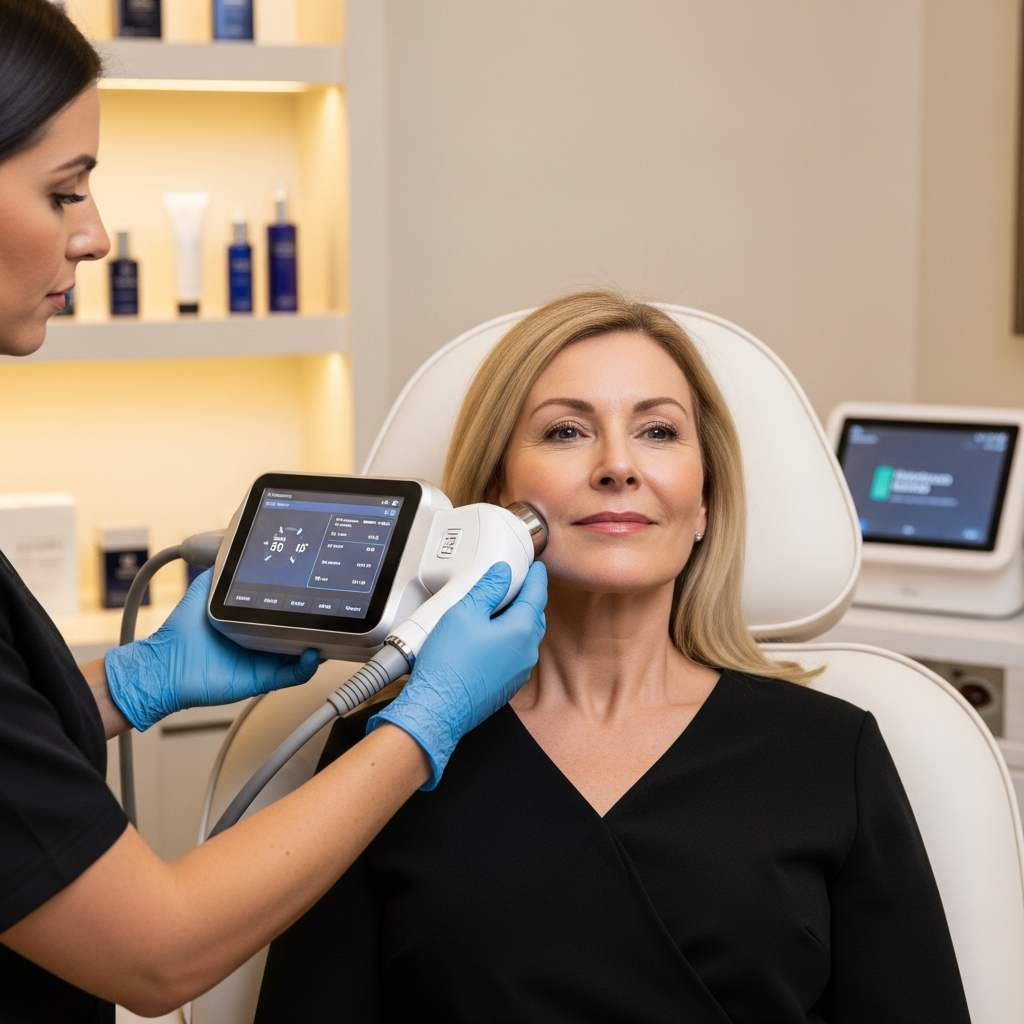
You’re scrolling through Instagram again – you know, that dangerous late-night rabbit hole where everyone’s skin looks absolutely flawless. There’s your college roommate with zero visible pores, your neighbor who somehow reversed a decade of sun damage, and don’t even get me started on that influencer who claims she’s “all natural” while clearly having work done. You close the app feeling… well, a little defeated.
Here’s the thing though – you’re not crazy for wanting that confidence boost. You’re not vain for caring about how you look. And you’re definitely not alone in feeling overwhelmed by the sheer number of med spas, aesthetic clinics, and “wellness centers” that seem to pop up on every corner these days.
But here’s where it gets tricky. Walk into the wrong place, and you might find yourself talking to someone who learned everything they know from a weekend certification course. They’re enthusiastic, sure, but when you ask about that weird mole you’ve been worried about or whether that treatment is safe with your rosacea… well, let’s just say the deer-in-headlights look isn’t exactly reassuring.
I’ve been writing about medical aesthetics for years, and I can’t tell you how many stories I’ve heard that start with “I wish I’d known the difference before I…” Whether it’s a botched chemical peel, an injection gone wrong, or just money wasted on treatments that were never going to work for their skin type – these experiences stick with you.
That’s exactly why the dermatology-led med spa model is gaining so much attention, especially here in Plano where you’ve got options coming out of your ears. Think about it this way: when you need your car fixed, you could take it to your neighbor’s garage or to a certified mechanic who’s spent years learning every system under the hood. Both might get the job done, but one gives you that peace of mind that comes with real expertise.
A dermatology-led med spa operates under the supervision of an actual board-certified dermatologist – someone who spent four years in medical school, then another four years specializing specifically in skin, hair, and nails. These aren’t practitioners who pivoted from family medicine or got into aesthetics as a side hustle. We’re talking about doctors who can diagnose skin cancer, treat complex conditions like severe acne or autoimmune disorders, and understand the intricate science behind how your skin actually works.
But here’s what makes it interesting – and why you should care about this distinction when you’re researching options in Plano. It’s not just about having a doctor’s name on the door (though that matters). It’s about having someone who can look at your skin holistically. Maybe you came in for some fine lines around your eyes, but they notice early signs of melasma that another provider might miss. Or perhaps that “anti-aging” treatment you saw advertised wouldn’t actually work for your skin type, and they can steer you toward something that will.
You’re probably wondering: does this actually translate to better results? Different safety standards? Is it worth potentially paying more? And honestly… how do you even tell the difference when you’re shopping around?
Those are exactly the questions we’re going to unpack together. Because while every med spa will promise you’ll walk out glowing, the reality is that your skin deserves more than generic promises and cookie-cutter treatments.
Over the next few minutes, we’ll walk through what dermatology-led really means in practice – not just the fancy credentials, but the day-to-day differences you’ll notice as a patient. We’ll talk about how treatment protocols differ, what questions you should ask when you’re evaluating options, and why this model might be particularly important if you have sensitive skin, existing skin conditions, or have had disappointing experiences elsewhere.
Because at the end of the day, you want to feel confident that the person holding that syringe or operating that laser actually knows what they’re doing… and has your best interests at heart.
The Doctor Will See You Now – But This Time, It’s Different
You know that feeling when you walk into a regular spa? The soft music, dimmed lights, maybe some essential oils wafting through the air… It’s lovely, really. But when you’re dealing with something more serious than stress relief – like stubborn melasma or those deepening lines that seem to appear overnight – you might find yourself wondering: “Is this person actually qualified to handle my skin concerns?”
That’s where dermatology-led med spas come in, and honestly, the difference is pretty significant.
Think of it like this: a traditional spa is like your neighborhood coffee shop – great for a pleasant experience, but a dermatology-led med spa? That’s more like having a master barista who also happens to be a chemist. They understand not just what makes you feel good, but the actual science behind what’s happening to your skin.
What “Dermatology-Led” Actually Means
Here’s where things get a bit… well, confusing. The term “med spa” gets thrown around a lot these days, and honestly, not all med spas are created equal. Some are overseen by nurses, others by general practitioners, and some – the ones we’re talking about – are actually led by board-certified dermatologists.
A dermatology-led facility means there’s a skin expert – someone who spent years studying nothing but skin, hair, and nails – calling the shots. They’re not just lending their name to the practice; they’re actively involved in treatment protocols, staff training, and making sure every procedure makes sense from a medical standpoint.
It’s like the difference between getting cooking advice from someone who watches a lot of Food Network versus getting it from a trained chef. Both might give you decent tips, but one has spent years understanding why certain techniques work and when they might go wrong.
Beyond the Surface: Medical-Grade Everything
Now, this is where things get interesting – and maybe a little counterintuitive. You might assume that stronger always means better, right? Well… not exactly.
Medical-grade treatments and products aren’t necessarily more intense (though they can be). They’re more precise. It’s like having a surgeon’s scalpel versus a butter knife – both can cut, but one gives you control and predictable results.
Take chemical peels, for example. At a regular spa, you might get something that makes your skin feel tighter and look a bit brighter. At a dermatology-led med spa, that same treatment is customized based on your skin type, current condition, medications you’re taking, and about a dozen other factors you probably haven’t even thought about.
The Safety Net You Didn’t Know You Needed
Here’s something that might surprise you – complications can happen with any cosmetic treatment. Even something as seemingly simple as a facial can cause reactions in certain people. The difference is what happens when things don’t go according to plan.
In a traditional spa setting, if you have an unexpected reaction, you’re probably getting referred to urgent care or told to call your regular doctor. In a dermatology-led environment? The person who can actually diagnose and treat skin issues is right there. They understand the interaction between treatments, can spot early warning signs, and know exactly how to address problems before they become bigger problems.
It’s like having a lifeguard at the pool versus just having someone who knows how to swim really well.
The Training Factor
This might be the biggest difference of all, actually. The staff at dermatology-led facilities undergo training that’s… well, it’s extensive. We’re talking about understanding skin anatomy, recognizing different skin conditions, knowing how various treatments interact with different skin types and medical conditions.
Your aesthetician isn’t just someone who completed a weekend certification course (though those exist, and honestly, they’re more common than you’d think). They’re working under medical supervision and continuing education requirements that keep them current on the latest techniques and safety protocols.
Think of it as the difference between a massage therapist and a physical therapist – both work with your body, both can make you feel better, but the depth of knowledge and scope of practice are completely different.
When Luxury Meets Medical Expertise
The beautiful thing about dermatology-led med spas is that you don’t have to choose between feeling pampered and getting real results. You get the relaxing environment and attentive service you’d expect from any good spa, but with the backing of serious medical expertise.
It’s basically having your cake and eating it too – if that cake happened to be scientifically formulated to give you better skin.
What to Look for During Your Consultation
Here’s the thing – most med spas will give you the hard sell from minute one. But a dermatology-led clinic? They’ll actually examine your skin first. I mean really look at it, not just glance and start pitching services.
Your dermatologist should be asking about your medical history, current medications, and skincare goals before suggesting anything. They might even tell you to wait on certain treatments if your skin isn’t ready. That’s actually a good sign, not a disappointment.
Watch for red flags: if they’re pushing multiple expensive procedures in your first visit, or if the person doing your consultation can’t answer detailed questions about contraindications… well, that tells you something, doesn’t it?
The Equipment Question You Should Always Ask
Don’t be shy about this one – ask to see the actual devices they’ll be using. Dermatology-led practices typically invest in medical-grade equipment, not the watered-down versions you might find elsewhere.
For laser treatments, ask about the specific wavelength and whether they have multiple handpieces for different skin types. A quality practice will have FDA-approved devices from companies like Candela, Cutera, or Lumenis. They should also be able to explain why they chose that particular device for your treatment.
And here’s something most people don’t think to ask – when was the equipment last serviced? Proper maintenance isn’t just about safety (though that’s huge), it’s about getting consistent results.
The Staff Credentials That Actually Matter
Sure, everyone talks about having “certified” staff, but what does that really mean? In a dermatology-led practice, you’re looking for nurses with specific aesthetic training, not just general nursing backgrounds.
Ask about their injector’s credentials specifically. How many years of experience do they have with injectables? Have they completed advanced training with companies like Allergan or Galderma? Do they attend continuing education courses regularly?
The best practices will happily share this information – they’re proud of their team’s qualifications. If you get vague answers or pushback… that’s your cue to keep looking.
Understanding the Treatment Planning Process
This is where dermatology-led practices really shine. Instead of offering one-size-fits-all protocols, they should be creating customized treatment plans based on your specific skin type, concerns, and lifestyle.
A good dermatologist will explain the science behind their recommendations. Why are they suggesting a particular laser over chemical peels? How do they determine the right depth for your microneedling treatment? What’s their rationale for combining certain procedures?
They should also give you realistic timelines. If someone promises dramatic results after one session of anything… well, let’s just say that’s not how skin actually works.
The Follow-Up Game Plan
Here’s where you separate the pros from the pretenders – what happens after your treatment? Dermatology-led practices understand that proper aftercare isn’t just about healing, it’s about optimizing your results.
They should provide detailed post-treatment instructions, not just a generic handout. Expect specific product recommendations, timeline expectations, and clear guidance on when to call with concerns.
Most importantly, they should schedule appropriate follow-up appointments. Not just to sell you more services, but to monitor your healing and adjust your treatment plan if needed.
The Money Talk – What’s Really Included
Don’t get caught off guard by hidden costs. A reputable practice will be transparent about pricing upfront, including any additional fees for numbing cream, aftercare products, or touch-up sessions.
Ask about package deals, but be wary if they’re pushing you to buy multiple sessions before you’ve had your first treatment. How can they know what you’ll need before seeing how your skin responds?
And here’s a practical tip – many dermatology practices offer financing options through companies like CareCredit. This can make treatments more accessible, but read the terms carefully. Some offer 0% interest if you pay within a certain timeframe.
Trust Your Instincts
At the end of the day, you should feel comfortable and confident in your choice. The right dermatology-led practice won’t pressure you, won’t make unrealistic promises, and won’t dismiss your concerns.
You’re not just paying for a procedure – you’re investing in expertise, safety, and results that actually last. That’s worth taking the time to find the right fit, even if it means visiting a few places before making your decision.
When Insurance Doesn’t Cover What You Actually Need
Let’s be real – this is probably the first thing that hits you when you start looking into dermatology-led treatments. Your insurance covers that basic annual skin check, sure, but the laser treatment that could actually solve your melasma? The medical-grade chemical peel that might finally tackle those acne scars? Nope.
It’s frustrating because you’re not asking for vanity treatments here – you’re dealing with skin issues that genuinely affect how you feel about yourself. The good news? Many dermatology-led med spas in Plano have figured this out and offer flexible payment plans or package deals that make treatments more manageable. Some even have partnerships with financing companies that specialize in medical procedures.
Here’s what actually works: ask upfront about all payment options, not just the sticker price. Many places offer significant discounts when you book multiple sessions at once, or they’ll work with you on a treatment timeline that fits your budget better than cramming everything into one expensive month.
The Waiting Game That Tests Your Patience
You know what nobody warns you about? The waiting lists. Good dermatology-led practices in Plano often book out weeks or even months in advance. It’s actually a good sign – it means they’re in demand because they get results – but it doesn’t make the wait any less annoying when your skin is acting up right now.
The trick is to think ahead (I know, easier said than done). If you’re planning for a special event or just know you want to address something before summer, book consultations early. Like, really early. And get on cancellation lists – you’d be surprised how often spots open up when people reschedule.
Also, use that waiting time wisely. Start the skincare routine they recommend during your consultation. By the time your treatment appointment rolls around, your skin will be better prepared and you’ll likely see better results.
Information Overload and Decision Paralysis
Walking into a dermatology-led med spa can feel like drinking from a fire hose. IPL, BBL, microneedling, chemical peels, laser resurfacing… and that’s just the surface-level stuff. Each treatment has different benefits, downtime, and costs. It’s enough to make your head spin.
Here’s what I’ve learned helps: don’t try to solve everything at once. Start with your biggest concern – the one thing that bothers you most when you look in the mirror. A good dermatology provider will create a treatment plan that prioritizes your concerns and spreads things out over time anyway.
And please, don’t fall down the internet research rabbit hole at 2 AM. Sure, do your homework, but remember that Dr. Google doesn’t know your specific skin type, medical history, or lifestyle. That’s why you’re paying for professional expertise.
Managing Expectations vs. Reality
Social media has done us all a disservice here. Those before-and-after photos are real, but they don’t tell the whole story. You don’t see the multiple sessions it took, the specific skincare routine that was followed, or the fact that person might have different skin genetics than you.
The reality is that significant skin improvements take time – usually several months of consistent treatment and good home care. Your dermatology provider should be honest about this upfront, but it’s still hard to internalize when you’re eager to see changes.
What helps: take your own progress photos (same lighting, same angle) and review them monthly rather than staring at yourself daily in different mirrors. The changes are often more gradual than dramatic, but they’re real.
The Downtime Dilemma
This one trips up so many people. You’re told there’s “minimal downtime” for a treatment, but what does that actually mean for your life? Can you work? Exercise? Wear makeup? Go to your kid’s soccer game without looking like a tomato?
The solution is to be very specific about your schedule and concerns during consultation. Don’t just ask about downtime – ask about your particular lifestyle. If you’re a teacher who can’t show up to work with visible peeling, that’s different from someone who works from home. If you have a wedding next month, that changes everything about timing.
Most dermatology-led practices can work around your schedule if they know what you actually need, but you have to speak up about your real-world constraints.
Setting Realistic Expectations: What Your First Few Months Will Actually Look Like
Let’s be honest here – you’re probably hoping to see dramatic changes overnight. I get it. We live in a world of instant everything, and when you’re investing in yourself, waiting feels… well, frustrating.
But here’s the thing about dermatology-led treatments: they work with your body’s natural processes, not against them. That means results unfold gradually, like watching a Polaroid develop (okay, maybe that reference dates me, but you get the idea).
For most cosmetic treatments, you’ll start noticing subtle changes around the 2-4 week mark. Nothing earth-shattering – maybe your skin feels a bit smoother, or that fine line above your lip seems less pronounced. The real magic happens between months 2-4, when collagen production kicks into high gear and cellular turnover finds its rhythm.
Injectable treatments? Those are faster – you might see Botox results within 3-7 days, with full effects showing up around two weeks. Dermal fillers are pretty much immediate, though sometimes there’s initial swelling that makes things look a bit… puffy for the first few days. Don’t panic – it settles.
The Reality Check Nobody Talks About
Some days you’ll look in the mirror and think, “Is anything even happening?” This is completely normal. Progress isn’t linear, and your perception of change is tricky. You see your face every single day, so gradual improvements can feel invisible.
That’s actually why we take progress photos – not to torture you with before shots, but because sometimes you need that side-by-side comparison to really see what’s happening. Trust me, three months from now, you’ll be amazed at the difference.
What Success Actually Looks Like
Here’s what I want you to understand: the goal isn’t to look like someone else entirely. A good dermatology-led med spa will help you look like the best version of *you*. Refreshed, not frozen. Enhanced, not artificial.
You should still look like yourself when you laugh, frown, or raise your eyebrows. If your partner can’t quite put their finger on why you look so good lately – but keeps commenting that you seem well-rested – that’s actually perfect.
Your Roadmap for the Next Six Months
Month 1: Initial consultation and first treatment. You’re excited, maybe a little nervous, definitely analyzing every angle in every mirror you pass.
Month 2: Follow-up appointment. Some subtle changes starting to show. You might catch yourself in good lighting and think, “Huh, not bad.”
Month 3: This is usually when friends start asking if you’ve been getting more sleep or using a new moisturizer. You’ll probably need a touch-up appointment if you’re doing injectables.
Months 4-6: The sweet spot. Everything’s settled in, your skin’s found its new normal, and you’re probably ready to discuss what’s next.
Maintenance: The Part Everyone Forgets to Plan For
Nobody warns you about this, but once you start seeing results, you’ll want to maintain them. It’s like finally getting your house organized – you don’t want to let it slide back into chaos.
Botox typically lasts 3-4 months, fillers anywhere from 6-18 months depending on the product and location. Skin treatments might need refreshers every 3-6 months. This isn’t a money grab – it’s just biology.
When to Worry (And When Not To)
A little redness after a treatment? Normal. Some minor bruising from an injection? Totally expected. Feeling emotional about changing your appearance? Actually, that’s more common than you’d think.
But if something feels truly off – severe pain, unusual swelling that’s getting worse, or results that look dramatically uneven after the settling period – don’t suffer in silence. Call the clinic. That’s what they’re there for.
Building Your Long-Term Plan
The beauty of working with a dermatology-led practice is that they’re thinking beyond your next appointment. They’re considering how your skin will age, what treatments will complement each other, and how to adjust your plan as your goals evolve.
Maybe you start with Botox for those forehead lines, then add a gentle resurfacing treatment six months later. Perhaps you’re eyeing a more comprehensive approach for next year. Having that medical oversight means every decision is strategic, not impulsive.
Remember – this is a marathon, not a sprint. The best results come from consistency, patience, and working with professionals who understand both the science and the art of what they’re doing.
The Bottom Line? Your Skin Deserves Better
You know what struck me while putting all this together? The sheer number of options out there can feel overwhelming. Strip malls dotted with med spas, each one promising miracle results… it’s enough to make anyone’s head spin.
But here’s the thing – and I really want you to hear this – not all medical spas are created equal. When you’re dealing with your face, your confidence, your hard-earned money… you deserve to know exactly who’s behind those treatments.
A dermatology-led practice isn’t just fancy marketing speak. It’s the difference between someone who’s studied skin for decades versus someone who took a weekend certification course. It’s having a physician who can spot that unusual mole during your consultation, or recognize when your skin reaction needs immediate attention rather than a “let’s see how it goes” approach.
And honestly? The peace of mind alone is worth it. You’re not just another appointment slot. You’re working with a team that sees skin health as both an art and a science – people who understand that your concerns about those stubborn age spots or that loss of firmness around your jawline are completely valid.
The medical oversight, the pharmaceutical-grade products, the proper safety protocols… these aren’t just nice-to-haves. They’re what separate a legitimate medical practice from a spa that happens to offer injectables. Because let’s be real – when someone’s coming at your face with a needle or a laser, you want to know they’ve got the training and backup to handle whatever comes up.
I’ve seen too many people learn this the hard way. The friend who ended up with uneven Botox from a place that rushed her through. The colleague who got a chemical peel that left her with hyperpigmentation because nobody properly assessed her skin type first. These aren’t scare tactics – they’re reminders that your skin is the only one you’ve got.
But here’s what makes me hopeful: when you find the right team, when you work with practitioners who truly understand what they’re doing… the results speak for themselves. Not just in how you look, but in how you *feel*. There’s something powerful about walking into a place where they remember your concerns from last time, where they explain exactly what they’re doing and why, where you never feel rushed or pressured.
Ready to Experience the Difference?
Look, I get it if you’re feeling a bit decision-fatigued right now. Maybe you’ve been researching for months, reading reviews until your eyes hurt, trying to figure out who to trust with something as important as your appearance and confidence.
If any of this resonated with you – if you’re tired of wondering whether you’re making the right choice – why not start with a conversation? A good dermatology-led practice will offer consultations where you can meet the team, ask all those questions swirling around in your head, and get a real feel for their approach.
You don’t have to commit to anything. Just… see for yourself what it feels like to work with people who truly know skin inside and out. You deserve that level of care, and honestly? Your future self will thank you for taking the time to choose wisely.