Dermatology-Led Med Spa Care in Allen, TX
You’re standing in your bathroom mirror again, aren’t you? Same spot, same lighting, examining that stubborn melasma patch that’s been your unwelcome companion for… what, three years now? Or maybe it’s those fine lines around your eyes that seem to have multiplied overnight like some cruel magic trick.
You’ve tried the drugstore creams – the ones with the fancy promises and scientific-sounding ingredients. You’ve googled “best anti-aging treatments” more times than you’d care to admit. And sure, you’ve thought about visiting one of those med spas you keep hearing about, but then the doubts creep in…
*What if they just want to sell me the most expensive treatment?* *How do I know they actually know what they’re doing?* *What’s the difference between this place and that place anyway?*
Here’s the thing – and I say this as someone who’s watched countless clients wrestle with these exact questions – you’re right to be cautious. The med spa world can feel like the Wild West sometimes, with everyone claiming to have the magic bullet for your skin concerns.
But what if I told you there’s a way to get the best of both worlds? The advanced treatments you’re craving… with the medical expertise you need to feel confident about your choices.
That’s where dermatology-led med spa care comes in, and honestly, it’s been a game-changer for so many people here in Allen. We’re talking about treatments supervised by actual dermatologists – doctors who spent years studying skin, not just weekend certification courses. It’s like having a master chef oversee your meal instead of… well, someone who watched a cooking show once.
The difference isn’t just academic either. When a dermatologist is calling the shots, they’re not just looking at what treatment might give you quick results. They’re considering your skin type, your medical history, how different treatments might interact with each other. They’re thinking about your skin’s long-term health, not just this month’s before-and-after photos.
And let’s be real – in a place like Allen, where you’ve got options ranging from strip mall “med spas” to high-end dermatology practices, knowing how to spot the difference matters. A lot.
You know that friend who always seems to have glowing skin? The one who never looks like she’s trying too hard, but somehow always looks… refreshed? There’s a good chance she’s found one of those dermatology-led spots that knows how to blend medical expertise with the pampering experience you actually want.
Because here’s what nobody talks about enough – getting cosmetic treatments shouldn’t feel clinical and sterile, even when there’s serious medical knowledge behind them. You should feel comfortable, understood, maybe even a little spoiled. You’re investing in yourself, after all.
Throughout this guide, we’re going to walk through what dermatology-led med spa care actually looks like – and why it matters more than you might think. We’ll talk about how to spot the real deal versus the imposters (trust me, there are some telltale signs). You’ll learn what treatments actually make sense for different concerns, and which ones are just expensive placebos wrapped in fancy marketing.
We’ll also dig into the Allen scene specifically, because let’s face it – what works in Beverly Hills might not be the right fit for Texas. The climate’s different, the lifestyle’s different, and frankly, the expectations are different too.
But most importantly, we’ll help you figure out how to advocate for yourself in these spaces. How to ask the right questions, spot red flags, and feel confident that whatever treatment you choose is actually going to move you closer to your goals… not just lighter in the wallet.
Because here’s what I’ve learned after watching hundreds of people navigate this world: the right treatment at the right place can honestly be transformative. But the wrong treatment at the wrong place? That’s just expensive disappointment with a side of buyer’s remorse.
So let’s make sure you end up in the first category, shall we?
What Makes a Med Spa Actually “Medical”?
You’ve probably walked past those sleek med spa storefronts and wondered… what’s the difference between this and the day spa down the street? Great question, and honestly, it’s more confusing than it should be.
Think of it like this: a regular spa is like your favorite coffee shop – they make a great latte, the atmosphere’s relaxing, but you wouldn’t ask them to diagnose why you’re having heart palpitations. A med spa? That’s more like having a cardiologist who also happens to make incredible coffee.
The “medical” part means there’s an actual doctor overseeing things. Not just rubber-stamping from afar, but really understanding what’s happening to your skin, your body, your specific situation. In Texas, this isn’t just a nice-to-have – it’s literally the law. Any med spa offering treatments like Botox, laser procedures, or chemical peels needs physician supervision.
But here’s where it gets interesting…
Why Dermatologists Make the Difference
Not all doctors are created equal when it comes to your skin. You wouldn’t ask a foot doctor about your migraines, right? Same logic applies here.
Dermatologists spend years – and I mean *years* – studying nothing but skin. They understand how different skin types react to treatments, what works for melasma versus acne scars, why your friend’s miracle treatment might be a disaster for you. It’s like the difference between a general contractor and a master craftsman who’s been building custom cabinets for thirty years.
Actually, that reminds me of something a dermatologist told me once: “Everyone thinks skin is simple because you can see it. But it’s one of the most complex organs we have.” Makes sense when you think about it – your skin is constantly regenerating, responding to hormones, fighting environmental damage, dealing with whatever chaos you’ve thrown at it lately.
The Allen Advantage (Yes, Location Matters)
Here’s something people don’t always consider – where you get your treatments actually matters. Allen sits in this sweet spot of North Texas where you’ve got access to top-tier medical professionals without the crazy overhead costs of downtown Dallas.
The dermatology community here is… well, it’s pretty tight-knit. These doctors talk to each other, stay current on the latest techniques, and honestly care about maintaining their reputations in a community where word travels fast. That suburban accountability factor? It’s real.
Plus, let’s be practical – parking doesn’t cost a fortune, you’re not fighting city traffic to get to appointments, and the whole experience feels less like a medical procedure and more like… taking care of yourself.
Understanding Your Skin’s Timeline
This might be the most counterintuitive part of med spa treatments: your skin works on its own schedule, not yours.
Think about it like renovating a house. You can’t just slap paint over water damage and call it good – you need to address what’s happening underneath first. Same with your skin. That Botox might smooth your forehead lines immediately, but deeper issues like sun damage or acne scarring? They’re playing the long game.
Most people come in wanting everything fixed yesterday (totally understandable), but dermatologist-led care is about creating a treatment plan that actually works with how your skin heals and regenerates. Sometimes that means starting slow, sometimes it means combining treatments over several months.
The Safety Factor Nobody Talks About
Here’s something that keeps me up at night – the number of people getting cosmetic treatments at places where the most medically qualified person is… well, let’s just say they learned about lasers in a weekend workshop.
When a dermatologist leads your care, they’re not just thinking about making you look good (though that’s definitely the goal). They’re considering your medical history, any medications you’re taking, how your skin has reacted to treatments before. They can spot potential problems before they become actual problems.
It’s like having a really good mechanic who notices your brakes are wearing thin before they fail completely. Sure, other people might be able to change your oil, but when something complex is happening under the hood… you want the expert.
The bottom line? Your face is kind of a big deal. You only get one, and while most treatments are reversible or temporary, why take unnecessary risks when you don’t have to?
What Actually Happens During Your Consultation (And How to Prep)
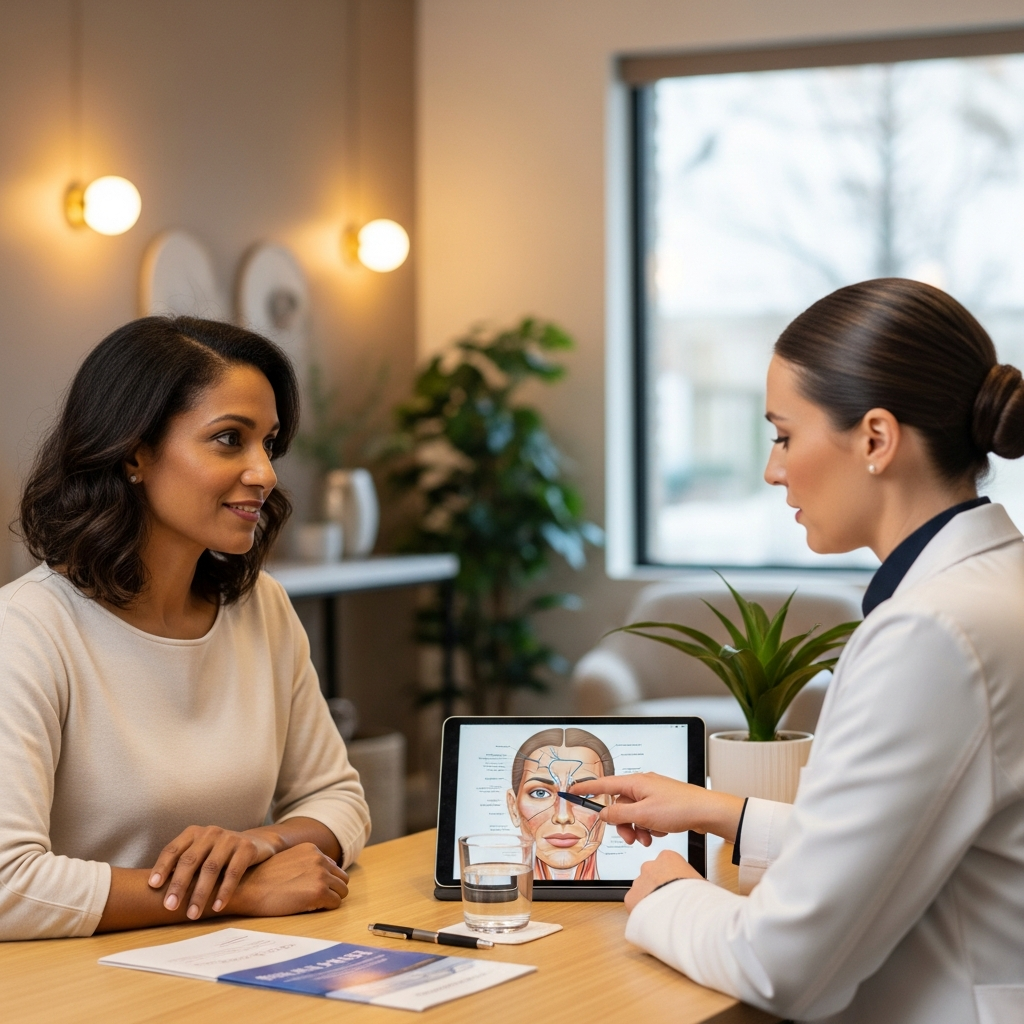
Here’s the thing about dermatology-led consultations – they’re nothing like those high-pressure sales pitches you’ve probably experienced elsewhere. Dr. Sarah Chen at Allen Dermatology actually spent twenty minutes just looking at my friend’s skin under different lights before suggesting anything. That’s… not typical for most med spas.
Come prepared with a list of everything you’ve tried in the past six months. I’m talking skincare products, treatments, even that random serum your sister swore by. Your dermatologist needs the full picture, and trust me – mentioning that retinol you started three weeks ago could save you from some serious irritation down the line.
Also? Take photos of your skin in natural light the morning of your appointment. Sounds weird, but skin changes throughout the day, and having a baseline helps your provider understand what you’re seeing at home versus what they’re seeing in the clinic.
The Real Cost Breakdown (Because Nobody Talks About This)
Let’s get honest about money for a second. Dermatology-led treatments cost more upfront – but here’s what most people don’t realize: you’ll likely need fewer sessions overall.
A nurse practitioner under dermatology supervision can adjust laser settings in real-time based on how your skin responds. That’s the difference between needing eight sessions versus five. When you’re paying $300-500 per treatment, those three extra sessions add up fast.
Most Allen dermatology practices offer package deals, but here’s an insider tip – ask about their “maintenance pricing” after you complete an initial series. Some places knock 20-30% off future touch-ups if you commit to annual follow-ups.
And honestly? If budget’s tight, be upfront about it. Many dermatology-led practices would rather work with you on a realistic treatment plan than have you disappear after one session because you can’t afford to continue.
Timing Your Treatments Like a Pro
October through February – that’s your sweet spot for most laser treatments in Texas. The sun here is no joke, and you really don’t want to be healing from IPL during pool season. I learned this the hard way after a March photofacial that left me hiding under SPF 50 all summer.
Schedule treatments on Fridays if you can swing it. Most people need 48-72 hours before they’re comfortable being seen in public, especially after more aggressive treatments. Your coworkers don’t need to know about your slight-red-lobster phase.
For ongoing treatments like monthly facials or quarterly laser sessions, book your next appointment before you leave. Popular dermatology practices in Allen get booked out weeks in advance, and you don’t want to lose momentum because of scheduling gaps.
Questions That Separate Good Providers from Great Ones
Ask this: “What would you do if this treatment doesn’t give us the results we’re hoping for?” A dermatology-led practice should have multiple backup plans. If they seem stumped or immediately suggest more of the same treatment… maybe keep looking.
Also ask about their emergency protocols. Reactions happen – even with the best providers. You want to know they have a dermatologist available for urgent consultations, not just during business hours on weekdays.
Here’s one most people forget: “How do you stay current with new techniques and technology?” Dermatology moves fast, and you want providers who attend conferences, not just those coasting on what they learned five years ago.
Red Flags to Watch For
If anyone – and I mean anyone – suggests Botox during your first visit without asking detailed questions about your lifestyle, exercise routine, and expectations… walk away. Good dermatology providers want to understand how treatments fit into your actual life.
Same goes for aggressive treatment packages. Legitimate dermatology-led practices usually recommend starting conservatively and building up intensity based on how you respond. The “let’s throw everything at it” approach? That’s not medical-grade thinking.
And please – if the consultation room doesn’t have proper lighting for skin examination, or if you never see actual before/after photos from their own patients… those are pretty telling signs about their priorities.
The Follow-Up Game Changes Everything
This is where dermatology-led care really shines – the follow-up protocols. Most med spas check in maybe once. Dermatology practices? They’re monitoring your skin’s response, adjusting home care routines, and catching potential issues before they become problems.
Schedule your follow-up appointments immediately, even if they seem unnecessary. Your provider needs to see how your skin heals and responds – that information shapes everything about future treatments.
The Consultation That Makes You Want to Run Away
Let’s be honest – walking into a med spa for the first time can feel like you’re about to get judged by someone with perfect skin who’ll make you feel worse about yourself. You know that moment when you’re sitting there, makeup-free under those harsh fluorescent lights, while someone scrutinizes every pore? Yeah, it’s rough.
Here’s what helps: ask upfront about their consultation style. The best dermatology-led practices in Allen will have you sit down first – clothed, comfortable – to talk about your concerns before any examination. They should explain what they’re looking for and why. If someone immediately starts pointing out “problems” you didn’t even know you had… that’s your cue to leave.
When Your Skin Gets Worse Before It Gets Better
Nobody warns you about this part, but sometimes treatments make you look like you got in a fight with a cactus. Chemical peels can leave you flaky for days. Laser treatments might make those dark spots darker initially. And don’t get me started on the purging phase some people experience with certain procedures.
The solution isn’t to panic and stop everything (though your mirror might suggest otherwise). It’s about setting realistic expectations from day one. Your provider should walk you through exactly what to expect – including photos of what the healing process looks like. They should also give you a timeline… because “a few days” means different things to different people.
Stock up on gentle skincare products beforehand, plan treatments around your social calendar (maybe not the week before your high school reunion), and remember that your skin is literally rebuilding itself. That takes time.
The Sticker Shock Reality
Med spa treatments aren’t cheap, and the costs add up faster than you’d think. You go in thinking about one thing – maybe some Botox for those forehead lines – and suddenly you’re hearing about a whole treatment plan that costs more than your car payment.
This is where the dermatology backing really matters. A board-certified dermatologist will prioritize treatments based on what’s actually going to make the biggest difference for your specific concerns. They’re not trying to sell you every service in the book.
Ask for treatment priorities upfront. What’s the one thing that would make the biggest impact? What can wait six months? Many practices offer package deals or payment plans, but more importantly, they should be willing to work with your budget and timeline.
The Maintenance Trap
Here’s something they don’t always mention clearly: most med spa treatments require maintenance. That Botox? It’s going to wear off in 3-4 months. Those laser treatments? You might need touch-ups. It’s not like getting your appendix removed – one and done.
Before you start any treatment, ask about the long-term commitment. How often will you need touch-ups? What happens if you stop treatments altogether? Will your skin be worse than when you started? (Spoiler: usually not, but it’s worth asking.)
Some people find it helpful to think of it like their hair color or gym membership – an ongoing investment in how they want to look and feel. Others prefer treatments with longer-lasting results, even if the upfront cost is higher.
Finding Someone You Actually Trust
This might be the biggest challenge of all. The med spa industry can feel like the Wild West sometimes – lots of people making big promises with varying levels of actual expertise. When dermatologists are involved, you’ve got medical oversight, but you still need to find someone whose judgment you trust.
Look for providers who ask lots of questions about your lifestyle, skin history, and goals. Red flags include anyone who guarantees specific results or pushes you toward the most expensive options right away. Good providers will often suggest starting with less aggressive treatments to see how your skin responds.
Don’t be afraid to get a second opinion, especially for bigger procedures. Most reputable practices won’t be offended – they want you to feel confident in your choice.
The Social Media Comparison Game
Instagram makes everything look effortless, doesn’t it? Those before-and-after photos with perfect lighting and strategic angles… meanwhile, you’re dealing with real life, real skin, and real healing time.
The best approach? Limit your social media scrolling during treatment and recovery periods. Focus on how your skin feels and how you feel about it, not how it compares to someone else’s highlight reel. Your provider should be showing you realistic expectations based on people with similar skin types and concerns – not filtered perfection.
Setting Realistic Expectations (Because Nobody Likes Surprises)
Let’s be honest – you’ve probably seen those before-and-after photos that look like magic happened overnight. Reality check: that’s not how dermatology-led med spa treatments work, and honestly? That’s a good thing.
Most people start seeing subtle changes around the 2-3 week mark. Not dramatic, earth-shattering differences – just… better. Your skin might feel smoother, look a bit brighter, or those fine lines around your eyes might seem less pronounced. It’s the kind of change where you catch yourself in the mirror and think, “Huh, I look rested.”
The real magic happens between months 2-6. This is when collagen production kicks into high gear (assuming you’re doing treatments that stimulate it), and your skin starts that slow, steady transformation. Think of it like going to the gym – you don’t walk out of your first workout with abs, but consistent effort pays off.
Here’s what drives me crazy about unrealistic expectations: when people get discouraged at week three because they don’t look like a Instagram filter. Your dermatologist isn’t holding out on you – they’re working with biology, not Photoshop.
Your First Few Weeks: What’s Normal, What’s Not
Those first few days after treatment? You might look like you got into a fight with a particularly aggressive facial. Depending on what you had done – maybe some redness, possible swelling, definitely some “what have I done to myself” moments while staring in the mirror.
This is completely normal. Actually, let me rephrase that – it’s not just normal, it’s often a good sign that your treatment is working.
Chemical peels make you look like a molting snake for a few days. Microneedling leaves you red and slightly puffy. Laser treatments can make you look sunburned. The staff at your dermatology-led med spa should’ve prepared you for this (and if they didn’t, that’s a red flag worth noting).
But here’s when you should call: if you develop unusual pain, signs of infection, or reactions that seem way beyond what they described. Trust your instincts – you know your body better than anyone.
The Follow-Up Game Plan
Most dermatology-led practices in Allen schedule your follow-up before you even leave the first appointment. Smart move, because life gets busy and suddenly it’s been three months since your last visit.
Typically, you’re looking at follow-ups every 4-6 weeks initially. This isn’t a money grab (well, it shouldn’t be) – it’s because your dermatologist needs to see how your skin responds before planning the next step. Maybe you’re healing faster than expected and can handle more aggressive treatment. Or maybe your skin needs a gentler approach.
During these check-ins, be honest about what you’re seeing. “It looks exactly the same” is valuable feedback. So is “I think I see some improvement but I’m not sure.” Your dermatologist has trained eyes – they can spot changes you might miss.
Building Your Long-Term Strategy
Here’s something most people don’t realize: the best results come from layering different treatments over time. Not all at once (your poor skin would revolt), but strategically spacing them out.
Your dermatologist might start with basic resurfacing treatments, then add in injectables once your skin texture improves, maybe throw in some body contouring later if that’s on your wish list. It’s like renovating a house – you don’t install the crown molding before fixing the foundation.
This is where having a dermatology-led approach really pays off. They’re thinking beyond just your next appointment – they’re planning for how your skin will age, how different treatments complement each other, how to maintain results once you achieve them.
Maintenance Mode: The Reality Nobody Talks About
Eventually (hopefully), you’ll reach a point where you love what you see in the mirror. Congratulations! Now comes the part nobody warns you about – maintenance.
Most treatments don’t offer permanent results. That Botox? Lasts 3-4 months. Those fillers? 6-18 months depending on what you got. Skin resurfacing treatments? You’ll want touch-ups annually.
Think of it like highlighting your hair or getting regular manicures – it becomes part of your routine. The good news is maintenance sessions are usually quicker, less intense, and since you’re already happy with your results, less stressful.
Your dermatology team should help you plan this out financially and schedule-wise. Because nobody wants surprise bills or to watch their results fade because life got crazy and they forgot to book that follow-up.
You know what I love most about working in this field? It’s watching someone walk into our clinic feeling self-conscious about their skin, maybe a little defeated by all the products they’ve tried that didn’t work… and then seeing them a few months later with this genuine confidence that just radiates from within. That transformation – it’s not just about clearer skin or fewer wrinkles, though those are wonderful bonuses. It’s about feeling comfortable in your own skin again.
Here in Allen, we’re fortunate to have access to some truly exceptional medical professionals who understand that your skin concerns aren’t just cosmetic issues to check off a list. They’re deeply personal. Whether you’re dealing with stubborn acne that’s followed you into adulthood, melasma that appeared during pregnancy and never left, or you’re simply watching your skin change as the years pass – these feelings matter, and they deserve real solutions.
The beauty of having dermatology-led care is that you’re not gambling with your skin’s health. You’re working with someone who spent years studying exactly how skin works, what can go wrong, and most importantly, how to fix it safely. It’s like the difference between having a master chef prepare your meal versus hoping for the best at a fast-food place. Both might fill you up, but one is crafted with expertise and care.
Taking That First Step
I get it though – reaching out for help can feel vulnerable. Maybe you’re worried about judgment, or you’re thinking your concerns aren’t “serious enough” to warrant professional attention. Trust me when I say that every concern you have about your skin is valid. The redness that bothers you when you look in the mirror? Valid. The acne scars that make you want to avoid photos? Completely understandable. The fine lines that seem to have appeared overnight? We see you, and we can help.
The wonderful thing about medical spas led by dermatologists is that they create this perfect middle ground – you get serious medical expertise but in an environment that feels more like a spa day than a doctor’s visit. It’s professional care that doesn’t feel cold or clinical.
You Don’t Have to Navigate This Alone
Your skin is with you every single day, and when it’s not feeling its best, that affects everything – your confidence, your photos, even how you interact with others. But here’s what I want you to remember: you don’t have to just accept whatever skin issues you’re dealing with. Whether it’s something that’s been bothering you for years or a new concern that’s popped up recently, there are real solutions available.
If you’re reading this and thinking, “Maybe it’s time I finally did something about this,” then honestly? It probably is. The best time to start taking care of your skin was ten years ago, but the second best time is right now.
Why not give yourself the gift of a consultation? Just a conversation with someone who truly understands skin and can help you figure out the best path forward. No pressure, no judgment – just expert guidance from someone who genuinely wants to help you feel amazing in your skin. You deserve that level of care, and your future self will thank you for taking this step.