HIFU Treatment in Frisco for Non-Invasive Skin Lifting
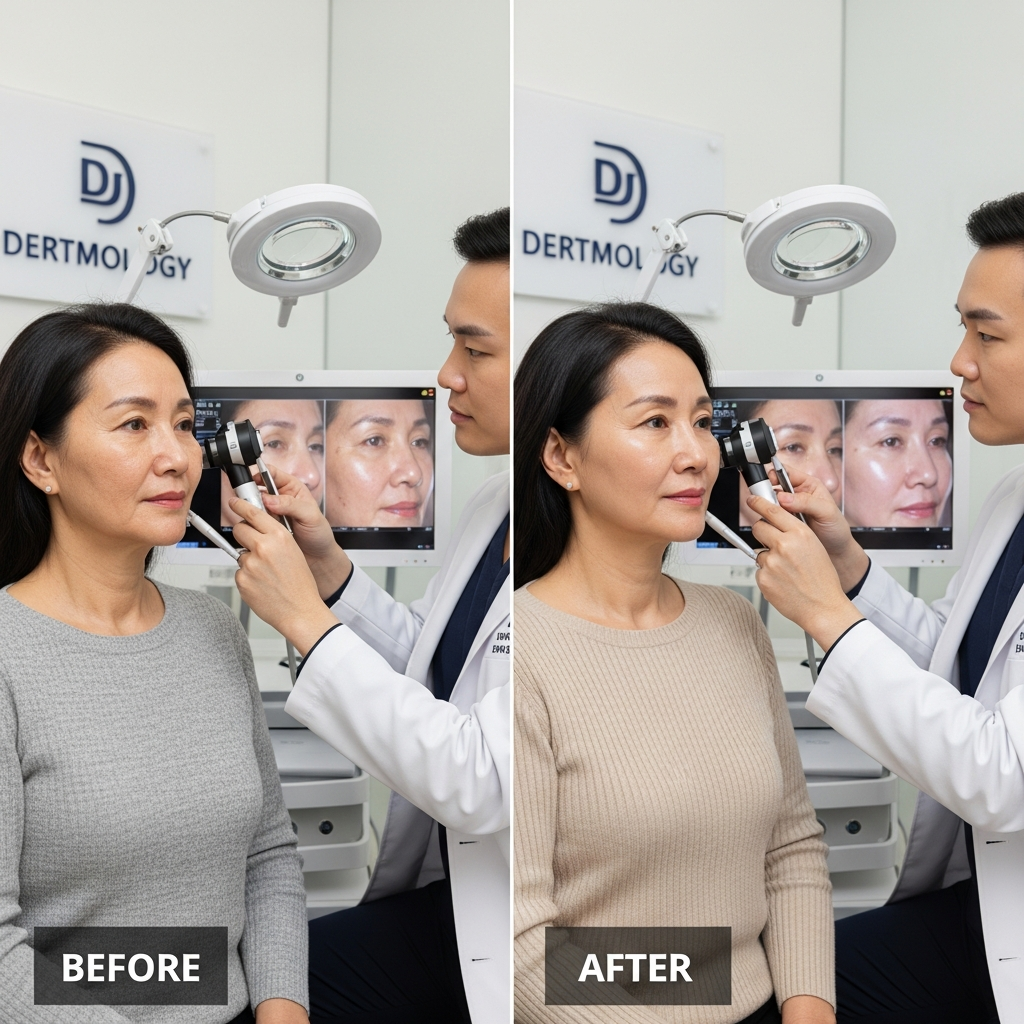
You’re standing in the bathroom mirror — good lighting, bad lighting, doesn’t matter anymore — and you’re doing that thing. You know the one. You’re gently pressing your fingertips along your jawline, lifting just slightly, tilting your head to find that angle where everything looks the way it used to. Maybe you’ve been doing it for a few months. Maybe longer. And every time, there’s that little flicker of *what if.*
What if I could just… keep it there?
Here’s the thing — you’re not alone in this. Not even close. And you’re definitely not vain for noticing. Your face is telling a story, and sometimes the story it’s telling doesn’t quite match how you feel on the inside. That disconnect? It’s real, it’s common, and it deserves a real conversation.
The tricky part is figuring out what to actually *do* about it. Because the options can feel overwhelming — or honestly, a little terrifying. Surgery feels like too much. Fillers feel like… well, they feel like something you’re not sure about yet. And those creams promising to “restore youthful firmness”? You’ve bought a few of those. We don’t need to talk about where they are now.
Why Frisco Residents Are Paying Attention to HIFU Right Now
Something genuinely interesting has been happening in the medical aesthetics world — and it’s been quietly gaining momentum right here in Frisco. People are discovering that there’s a middle ground between “doing nothing” and “going under the knife.” A real, clinically-backed, no-downtime option that actually works with your body’s own biology instead of just patching over the surface.
It’s called HIFU — High-Intensity Focused Ultrasound — and if you haven’t heard about it yet, you’re probably about to hear about it *everywhere.* Or maybe a friend mentioned it. Maybe you caught a reference online and thought, “Wait, ultrasound? Like a pregnancy scan?” (Totally valid question, by the way. We’ll get to that.)
The short version is this: HIFU delivers focused ultrasound energy deep into the skin — we’re talking layers that most other non-invasive treatments can’t even reach — and it triggers your body to start producing fresh, new collagen. Real collagen. Yours. Not a filler, not a foreign substance, not a bandage solution. Your skin, essentially, rebuilding itself.
That sounds almost too simple, which is why a lot of people are skeptical at first. Understandably so.
What You’re Actually Going to Learn Here
This article is going to walk you through everything you’d want to know before you even pick up the phone to book a consultation. And we mean *everything* — not just the glossy benefits, but the honest details about what the treatment feels like, how long results actually take to show up (because there’s a timeline here that surprises people), who’s a good candidate, and what realistic expectations look like.
Because the last thing you need is to walk into a clinic with a head full of before-and-after photos and walk out feeling like you were sold something that didn’t deliver. That’s not what we’re about.
We’ll also talk specifically about what it means to pursue HIFU treatment here in Frisco — because access to qualified providers, understanding what questions to ask, and knowing how to evaluate a clinic matters enormously when you’re talking about a medical procedure. Even a non-invasive one.
And if you’re somewhere in that in-between space — curious, but not convinced, hopeful but maybe a little wary — that’s actually the perfect place to be reading this. You don’t need to have made up your mind. You just need good information delivered straight, without the sales pitch wrapped around every paragraph.
So whether you’re 42 and noticing your neck is doing something new, or you’re 55 and your dermatologist just mentioned collagen loss for what feels like the hundredth time, or you’re somewhere in your late thirties thinking “it’s early, but maybe I should be proactive about this”…
This is for you. All of you.
Let’s actually talk about it.
What’s Actually Happening Under Your Skin
Okay, so here’s where it gets a little science-y – but stick with me, because once you understand what’s actually going on, the whole thing makes a lot more sense. And honestly? It’s kind of fascinating.
HIFU stands for High-Intensity Focused Ultrasound. You’ve probably heard of ultrasound before – the same basic technology doctors use to peek at babies in the womb. But HIFU takes that concept and does something very different with it. Instead of just creating an image, it focuses sound waves so precisely that they generate real heat at a very specific depth below the skin’s surface. Like using a magnifying glass to focus sunlight onto a single point – except the “point” is deep in your tissue, and your skin on top stays completely untouched.
That last part is the counterintuitive bit. Most people assume that if something’s affecting tissue deep in your face, it must be doing something visible on the surface too. But the energy essentially passes *through* the outer layers without disturbing them, targeting only the depth where the real structural work needs to happen.
The Layer That Actually Matters
Here’s the thing most skincare products can never reach – the SMAS layer. That stands for Superficial Muscular Aponeurotic System, which is a mouthful, but all you really need to know is this: it’s the same layer a plastic surgeon would tighten during a surgical facelift.
Think of your face like a mattress. The fabric on top is your skin. Underneath is the foam – layers of fat and connective tissue. But the SMAS is the structural foundation, the frame that holds everything in its proper place. Over time, gravity and collagen loss cause that foundation to loosen, and the whole structure starts to… drift. That drift is what creates jowls, a less defined jawline, and that feeling that things just aren’t quite where they used to be.
HIFU can reach that layer. Topical serums can’t. Even most laser treatments don’t get that deep. That’s why this technology gets compared to surgical lifting in the first place.
The Controlled Damage Trick (Yes, Really)
This sounds weird, I know. But the mechanism behind HIFU is essentially – on purpose – creating tiny points of thermal injury in the tissue. Microscopic ones. These are called coagulation points, and your body’s response to them is where the real magic happens.
When your body detects that kind of micro-damage, it kicks into repair mode. Fibroblasts (your collagen-producing cells) get activated. New collagen starts forming. Existing collagen contracts and reorganizes. The whole process is a bit like what happens when you iron a wrinkled shirt – heat causes the fibers to tighten up and smooth out. Except in this case, the “iron” is working from the inside out, and the results keep developing over weeks and months as that new collagen matures.
Actually, that’s why a lot of people are surprised when they don’t see dramatic results the next morning. The treatment isn’t meant to be instant – it’s setting a biological process in motion.
Why Frisco’s Climate Is Worth Mentioning
This might seem like a random tangent, but it’s genuinely relevant. North Texas heat and UV intensity are no joke – and chronic sun exposure is one of the biggest drivers of collagen breakdown in the first place. The environment here can accelerate exactly the kind of skin laxity that HIFU is designed to address. So while the treatment isn’t Frisco-specific in any technical sense, the demand for this kind of structural correction absolutely makes sense in this climate.
What It Won’t Do
It’s worth being honest here. HIFU isn’t a substitute for everything. It works beautifully for laxity – that looseness and softening of facial contours. But it doesn’t address surface texture, pigmentation, or volume loss the way other treatments do. If someone’s primary concern is fine lines from sun damage or hollowing in the cheeks, HIFU alone might not be the full answer.
Think of it as a structural renovation, not a full remodel. It tightens and lifts what’s there – but it can’t add what’s gone. That distinction matters when you’re trying to figure out whether this is the right tool for what’s bothering you.
What to Actually Do Before Your Appointment
Most people show up to their HIFU session having done… nothing to prepare. And that’s fine, honestly, but there are a few small things that can genuinely make a difference in how smooth the treatment goes and how good your results look afterward.
First – stop exfoliating about three days before. That means no retinol, no glycolic acid, no aggressive scrubs. Your skin doesn’t need to be prepped like you’re prepping a wall for paint. It needs to be calm and intact. Same goes for self-tanner – the ultrasound energy works best on clean, natural skin tissue, and anything sitting on top of that surface can interfere with how your technician reads your skin.
Drink water. Actually drink it. Not the day before, but the week before. Hydrated tissue responds better to ultrasound energy – it’s just physics, and well-hydrated skin tends to show collagen-building results faster. Think of it like trying to reshape dry clay versus moist clay. One of those is going to cooperate with you.
Come in with clean, makeup-free skin. Most clinics will cleanse you anyway, but showing up already washed saves time and means they’re starting fresh.
How to Read a Frisco Clinic Before You Book
Here’s the thing nobody tells you – not all HIFU equipment is the same, and not all practitioners have the same level of training. In Frisco specifically, you’ve got a mix of medical spas, dermatology offices, and aesthetic clinics all offering “HIFU,” but the experience can vary wildly.
When you call or go in for a consultation, ask specifically what machine they use. Ultherapy is FDA-cleared and has the most clinical research behind it. There are other devices – some excellent, some not – but if a clinic is vague about their equipment or can’t tell you the model, that’s worth noting.
Ask how many HIFU treatments your provider performs per month. Someone doing two or three a month is going to deliver a very different experience than someone who does fifteen. This is one of those cases where experience really does translate to results, because proper transducer placement and depth settings are genuinely skilled work.
And – this is the secret one – ask if they use ultrasound imaging during the treatment. Good HIFU devices let the practitioner actually see the layers of tissue they’re targeting. If they’re working blind, they’re essentially guessing.
Managing the Treatment Day Itself
HIFU is not painless. Let’s just be honest about that. It’s not unbearable for most people, but those pulses of focused energy – especially along the jawline and under the chin – can feel like quick, intense heat pings. Some people describe it as a rubber band snap, some say it’s more like a zap.
Take ibuprofen about an hour before your appointment if your clinic doesn’t have another recommendation. It genuinely takes the edge off. Avoid numbing creams unless your provider prescribes them – some interfere with how the energy distributes.
Eat something beforehand. It sounds silly, but showing up hungry makes you more sensitive to discomfort. You’re not getting surgery, but your nervous system is still involved here.
During the session, if something hurts more than expected in a particular area, say so. A good technician can adjust the energy settings or the angle slightly. You don’t have to white-knuckle through it.
The Weeks After Are Where the Real Work Happens
Your skin is going to look… fine. Maybe slightly flushed. Some people see nothing immediately and feel disappointed, and that’s completely understandable – but HIFU isn’t Botox. It’s kickstarting a biological process. The collagen remodeling that actually lifts and tightens your skin takes eight to twelve weeks to really show up.
This is where people make mistakes. They don’t support that process at all. Start taking a collagen peptide supplement if you aren’t already. Keep your vitamin C serum in rotation – it’s a cofactor in collagen synthesis, which means your skin literally uses it to build the new tissue HIFU is triggering. Wear SPF daily because UV exposure actively breaks down the collagen you’re working so hard to create.
Schedule a follow-up photo at the twelve-week mark. Even better, take one yourself at home in the same lighting before your treatment. The changes are real, but they’re gradual – the kind you don’t notice day to day until you compare side by side and think, oh. There it is.
The Stuff Nobody Warns You About (And How to Handle It)
Let’s be real for a second. Every treatment sounds amazing in the brochure. HIFU is genuinely effective – but there are real sticking points that catch people off guard, and you deserve the honest version.
The Waiting Game Is Harder Than People Expect
This is the big one. HIFU works by triggering your body’s own collagen production, which means the results build gradually over two to six months. You walk out of your appointment looking… pretty much the same. Maybe a little flushed. That’s it.
For a lot of people, that gap between “I just paid for a treatment” and “I can actually see something happening” is genuinely frustrating. You’re scanning your face in every bathroom mirror, wondering if it’s working, comparing selfies, second-guessing everything.
The honest solution? Set a reminder on your phone for 90 days out and take photos the day of your treatment – same lighting, same angle. Most people who feel underwhelmed at week three are pleasantly surprised when they finally do that side-by-side comparison. The change is real, it’s just not dramatic overnight. Your body isn’t Amazon Prime.
Discomfort During Treatment Catches Some People Off Guard
HIFU isn’t painful in a scary way, but it’s also not a spa facial. The ultrasound energy creates a heating sensation that ranges from mild warmth to something that feels like brief, sharp flickers – especially around the chin and jawline where the tissue is thinner. Some areas are more sensitive than others.
People who’ve had a lot of facials sometimes walk in expecting total relaxation and feel caught off guard. That’s a fair reaction.
What actually helps: communicate with your provider in real time. A good practitioner in Frisco will adjust the energy settings based on your feedback – this isn’t a procedure where you’re supposed to white-knuckle it silently. Topical numbing cream applied beforehand makes a meaningful difference, and some clinics offer it routinely. Ask specifically about that before your appointment, not when you’re already on the table.
Choosing the Right Provider in a Crowded Market
Frisco has no shortage of aesthetic clinics, and honestly, that creates its own problem. When you’re sorting through options, it can feel like everyone claims to be the best. The marketing all sounds the same.
Here’s what actually matters: who is operating the device? HIFU requires real skill. The practitioner needs to understand facial anatomy, know how to adjust depth and intensity for different areas, and have enough experience to handle the treatment zones that require extra precision – like around the eyes and cheekbones. An undertrained technician with a premium machine still gets mediocre results.
Ask directly: how many HIFU treatments has this specific person performed? What device are they using – and is it FDA-cleared? Don’t feel weird about asking. Any clinic worth going to will answer without hesitation.
When Results Aren’t as Dramatic as Expected
Sometimes people get good results and still feel a little disappointed. This usually happens for one of two reasons.
First, expectations were set too high. HIFU lifts and tightens – it doesn’t replace a surgical facelift. If someone has significant skin laxity, the improvement might be real but still modest. That’s not a failure of the treatment; it’s just the honest ceiling of what non-invasive technology can do.
Second – and this is worth knowing – not everyone responds to HIFU equally. People in their 30s and early 40s with mild to moderate laxity typically see the most impressive outcomes. The further you get from that profile, the more variable the results.
The solution here is genuinely an upfront conversation. A good provider will assess your skin and tell you honestly whether you’re a strong candidate. If they’re promising dramatic transformation to anyone who walks in… that’s a red flag.
Fitting Treatment Into a Busy Schedule
One session runs anywhere from 30 to 90 minutes depending on the treatment area – and Frisco is not exactly a sleepy town. People are busy.
The good news is there’s no real downtime. Some mild redness or swelling for a few hours, occasionally a little tenderness for a day or two. Most people go straight back to work or weekend plans. Schedule it on a lunch break if you need to. Just maybe skip the important video call that afternoon if your cheeks are flushed.
What to Expect Right After Your Treatment
Here’s the honest truth: the day of your HIFU treatment, you might look… exactly the same. Maybe a little pink, possibly slightly puffy around the treated areas. That’s completely normal, and it doesn’t mean anything went wrong. Your skin just had a genuinely intense experience, and it needs a minute.
Most people in Frisco walk out of the clinic and head straight to lunch, pick up their kids, or get back to work. There’s no dramatic bandaging, no “you must stay home for two weeks” conversation. That said, your skin might feel a little tender – kind of like the day after a good workout when your muscles are quietly reminding you they were challenged. Some people notice mild tingling or a slight sensation of warmth under the skin for a few days. All of that is your body doing exactly what it’s supposed to do.
Swelling, if it happens, is usually subtle and resolves within a few days. Bruising is less common but not unheard of. If you’re someone who bruises easily in general, just plan accordingly – maybe don’t schedule your HIFU session right before a big event.
The Timeline Nobody Warns You About
This is the part where realistic expectations really matter, so let’s talk about it plainly.
You are not going to wake up lifted the next morning. That’s not how HIFU works, and anyone who implies otherwise isn’t being straight with you.
What HIFU is actually doing is triggering a collagen production process deep in your skin’s foundational layers. Collagen takes time to build. Real time. The changes you’re looking for – the subtle lift along the jawline, the smoother neck, the less droopy brow – those develop gradually over the course of three to six months. Some people start noticing something around the four to six week mark. A little brightness, maybe. Slightly better definition. Others don’t see anything meaningful until month three or four, and that’s completely within the normal range.
Actually, this is one of the reasons HIFU results often look so natural – because they unfold slowly, your face just quietly looks… better. People notice something’s different but can’t quite put their finger on what. Which, honestly? Is the whole point.
How Long Will Results Last?
This question comes up constantly, and the answer is genuinely “it depends” – which is frustrating, but true. For most people, the visible results from a single HIFU treatment tend to peak around that three-to-six-month window and can last anywhere from one to two years. Your age, your skin condition going in, how much natural collagen you still have, your lifestyle habits (sun protection matters more than people realize) – all of these factor into how long you’ll enjoy the results.
Here’s the thing though: your skin doesn’t stop aging just because you had HIFU. The treatment gives you a meaningful lift in the collagen game, but time keeps moving. Many people choose to do a maintenance treatment once a year or so to stay ahead of it rather than waiting until they’re back at square one.
Your Next Steps in Frisco
If you’ve been doing research and HIFU feels like it might be right for you, the most useful next step is a consultation – not a sales pitch, an actual conversation with a qualified provider who can look at your skin, ask about your goals, and tell you honestly whether HIFU makes sense or whether something else might serve you better.
A few things worth thinking about before that appointment: What specifically bothers you? Jawline laxity is different from neck banding is different from brow heaviness, and being specific helps your provider make smarter recommendations. Also, bring your questions – even the ones that feel silly. “Will this hurt?” “What if I don’t see results?” “Am I even a good candidate?” These are all fair game.
The right clinic will give you straight answers. They’ll tell you if HIFU isn’t your best option. They won’t promise you’ll look twenty years younger. And they’ll send you home with realistic expectations and a clear sense of what the next few months might look like.
That’s the kind of conversation worth having.
So here’s the thing about non-invasive skin lifting – it’s not about chasing some impossible standard or turning back the clock to your twenties. It’s really about feeling like *yourself* again. That version of you that looks in the mirror and thinks “yeah, okay, I feel good today.” HIFU makes that surprisingly achievable, without the recovery time, the risks, or the anxiety that comes with going under the knife.
What we’ve covered today is honestly just the surface of what this technology can do. The science is fascinating – using focused ultrasound energy to essentially remind your skin’s deepest layers to do what they’re already designed to do. Your body isn’t broken. Sometimes it just needs a little nudge.
And if you’re sitting there thinking “this sounds too good to be true”… that’s fair. We get that a lot. There’s so much noise out there about miracle treatments and overnight transformations that it’s completely reasonable to be skeptical. But HIFU has been around long enough, and studied thoroughly enough, that the results speak for themselves. This isn’t a flash-in-the-pan trend. It’s a clinically validated treatment that’s been helping people feel more confident in their skin for years.
What Makes This Decision Feel Right
The best candidates for HIFU aren’t people desperate for dramatic change – they’re people who’ve been noticing gradual shifts, that subtle loosening along the jawline, the brow that sits just slightly lower than it used to, the neck that tells a different story than the rest of their face. They’re people who want something *real*, done thoughtfully, in an environment where they actually feel heard.
Frisco has grown into a genuinely strong hub for aesthetic medicine, and that means you have real options nearby. You don’t have to drive hours or feel like you’re taking a chance on an unknown clinic. The expertise is local, which also means the follow-up care and ongoing relationship with your provider is local too. That matters more than people realize.
You Don’t Have to Figure This Out Alone
Here’s what we’d love for you to walk away with: you don’t need to have all the answers before you pick up the phone. You don’t need to know exactly what treatment you want, or be completely certain HIFU is the right fit. That’s literally what consultations are for. A good provider will sit with you, look at your skin, ask about your goals – not just your aesthetic goals, but your lifestyle, your timeline, your budget – and help you figure out what actually makes sense for you. No pressure. No hard sell.
If any part of this resonated with you – if you’ve been quietly wondering whether there’s something out there that could help you feel a little more like yourself – we’d genuinely love to hear from you. Our team in Frisco takes time with every single person who walks through the door, because we know this stuff matters. It’s personal. And you deserve care that treats it that way.
Reach out whenever you’re ready. Ask your questions – even the ones that feel too basic or too specific. There’s no wrong time to start a conversation about your skin and what you want for it. We’re here, and we’re rooting for you.