7 Things to Ask Before Getting PDO Threads in Parker
You’re standing in front of the bathroom mirror – maybe it’s early morning, maybe it’s after a long day – and you catch yourself doing that thing. You know the one. Gently pressing your fingertips against your cheekbones and lifting. Just a little. Just to see what you’d look like if everything sat a bit higher, a bit tighter, a bit more like *you* used to look. Or maybe like you want to look. There’s no judgment here – we’ve all had that moment.
And lately, you’ve probably been hearing a lot about PDO threads. They’re showing up everywhere – in your social media feed, in conversations at the gym, maybe even from a friend who came back from a appointment looking refreshed in that way where you couldn’t quite put your finger on *what* was different, just that something was. That’s kind of the whole appeal, honestly. Subtle. Natural. No surgery, no weeks of hiding from the world while you heal.
So you started researching. And here’s where it gets a little overwhelming, right? Because the more you look into PDO thread lifts, the more you realize there’s a *lot* to sort through. Providers, techniques, types of threads, recovery expectations, before-and-after photos that range from jaw-dropping to… questionable. Parker has no shortage of medical spas and aesthetic clinics these days, and they’re not all created equal. Not even close.
Here’s the thing about PDO threads that nobody really tells you upfront – the procedure itself is only as good as the person performing it and the decisions made before you ever lie down on that treatment table. A PDO thread lift involves inserting dissolvable sutures beneath the skin to physically lift and reposition tissue while also stimulating your body’s own collagen production. When it’s done well, by someone who genuinely understands facial anatomy? It can look remarkable. When it’s not done well… the results can range from disappointing to genuinely problematic. Asymmetry. Visible threads. Results that fade in weeks instead of lasting a year or more.
That’s not meant to scare you away from exploring this option – PDO threads are a legitimate, effective treatment that thousands of people get every year with beautiful outcomes. But it *is* meant to make the case that the questions you ask before saying yes matter enormously. More than the price. More than the before-and-after photos on Instagram. More than how fancy the waiting room looks.
Actually, that reminds me of something worth saying right now – a polished aesthetic clinic with gorgeous branding doesn’t automatically mean superior results. And a smaller, less flashy practice doesn’t mean inferior ones. What matters is what’s happening in the treatment room, and more specifically, who’s doing it and what their training looks like.
Parker is a growing community with more aesthetic options than ever before, which is genuinely great… but also means you need to be an informed consumer. The decision to get PDO threads is a medical one, even when it doesn’t feel that way because the marketing makes it sound as casual as a facial.
So that’s exactly what this article is for. We’ve put together seven specific questions – the ones that actually matter, the ones that separate a thoughtful provider from a rushed one, the ones that will help you walk into any consultation in Parker feeling confident and prepared rather than nodding along to things you don’t fully understand. We’re talking about credentials, technique, realistic expectations, what happens if something goes wrong, the full picture on costs, and more.
By the time you finish reading, you won’t just know *what* to ask – you’ll understand *why* each question matters and what a good answer should actually sound like. That’s the difference between going into a consultation hoping for the best and going in knowing how to evaluate what you’re being told.
You deserve to make this decision with real information. Not hype, not fear, just clarity. Let’s get into it.
What PDO Threads Actually Are (Without the Medical Jargon)
Okay, so here’s the thing about PDO threads – they sound a lot more intimidating than they actually are. PDO stands for polydioxanone, which is a mouthful, but it’s essentially the same material that surgeons have been using in dissolvable stitches for decades. Your body already knows how to handle it. That part’s actually kind of reassuring when you think about it.
The basic idea is this: tiny threads get inserted under your skin through a fine needle, and they do two things simultaneously. First, they physically lift tissue – think of it like installing an invisible trellis under your skin. Second, and this is the part people often don’t realize, they trigger your body’s own collagen production as they dissolve. Your skin treats those threads like something that needs to be healed, and in responding to that, it builds fresh scaffolding. The threads are gone in about six months, but the collagen they stimulated? That sticks around.
It’s a little counterintuitive, honestly. You’re creating a minor controlled “injury” to get a better result. But that’s actually how a lot of aesthetic medicine works.
The Different Types (Because Yes, There Are Several)
Not all PDO threads are the same, and this is where things get a little nuanced. There are smooth threads, which are mostly used to improve skin texture and stimulate collagen without much lifting action. Then there are barbed or cog threads – these are the ones with tiny hooks along them, almost like a velcro situation under your skin, and they’re responsible for the actual lifting you see in before-and-after photos. Some providers also use screw threads, which are twisted to add volume in hollowed areas.
The type your provider recommends should depend entirely on your anatomy and your goals. Someone wanting to address a sagging jawline needs a very different approach than someone trying to smooth crepey skin on their neck. If a provider doesn’t even bring up thread types during your consultation… that’s worth noting.
Why Parker Residents Are Increasingly Curious About This
Medical aesthetics has genuinely evolved over the last several years, and Parker specifically has seen a growing number of people looking for results that are real but not dramatic. Nobody’s walking into a clinic on Main Street wanting to look “done.” The appeal of PDO threads fits that perfectly – the changes are subtle enough that people notice you look refreshed, not that you had something done.
There’s also the recovery factor. Unlike a surgical facelift – which involves anesthesia, significant downtime, and a recovery process measured in weeks – PDO threads are typically done in under an hour, and most people are back to their normal routine within a few days. That matters when you have a life to actually live.
What Results Look Like (And What They Don’t)
Here’s where managing expectations becomes genuinely important. PDO threads are not a facelift. They’re not going to dramatically reposition significant skin laxity, and anyone suggesting otherwise is overselling. What they *can* do is impressive within the right scope – softening jowls, defining a jawline, lifting the brow slightly, improving the look of a drooping midface.
The results also build gradually over a few months as collagen production kicks in, which means you won’t walk out of the appointment looking transformed. Actually, the first week or so can involve some swelling and minor puckering that temporarily looks a little odd. Most providers will tell you: trust the process, give it eight to twelve weeks before you really evaluate.
The Candidacy Question
PDO threads work best for people experiencing mild to moderate skin laxity – usually somewhere in their mid-30s to 50s, though that’s not a hard rule. If someone has very loose, heavily sun-damaged skin or significant volume loss, threads alone may not deliver meaningful results. A good provider in Parker will be honest about this rather than just taking your money and hoping for the best.
Skin quality matters here, too. Thinner skin requires a more careful approach, and certain medical conditions or medications (blood thinners, for instance) can affect whether you’re a good candidate at all. These aren’t reasons to panic – they’re just reasons why a real consultation, not a quick phone call, is essential before committing to anything.
What to Actually Look for in a Provider (This Part Matters More Than You Think)
Don’t just Google “PDO threads near me” and book with whoever comes up first. Seriously. The skill of the person holding those needles makes or breaks your results – and your safety. Look for a licensed medical professional: an MD, DO, PA, or NP who works under physician supervision. Aestheticians can do a lot of wonderful things, but PDO thread placement isn’t on that list.
Ask specifically how many thread procedures they’ve performed. Not “a lot.” An actual number. Someone with 20 procedures under their belt is still learning. Someone with 200+ has seen complications, knows how to handle them, and has developed the technique that gets consistent results. Ask to see before-and-after photos of *their* patients – not stock photos, not the manufacturer’s marketing materials. Real people, real faces, ideally with similar features or concerns to yours.
The Consultation Questions You Should Actually Ask
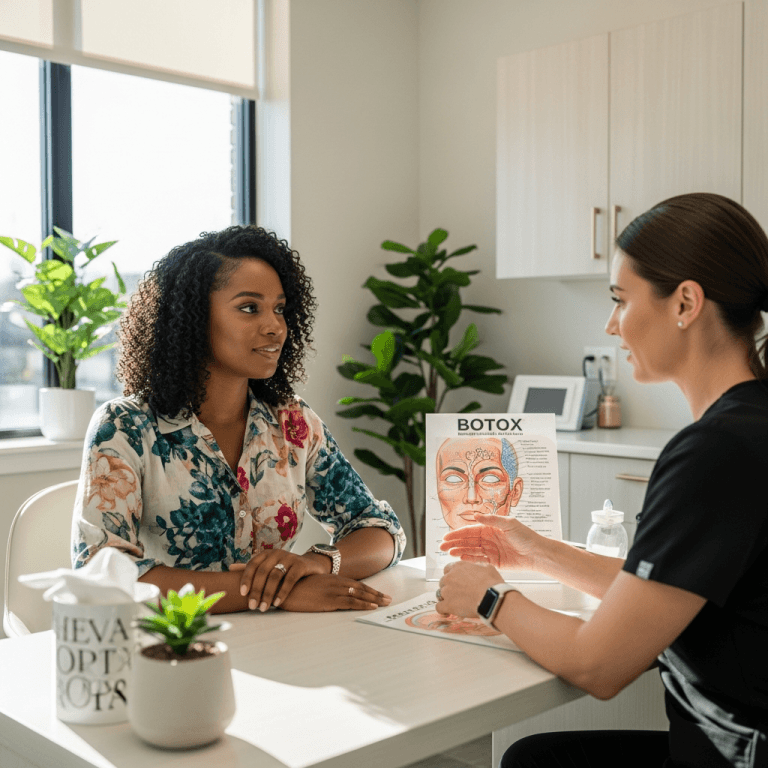
Most people walk into a consultation and just… listen. Nod along. Don’t do that. Come in with a list. Here’s what’s genuinely worth asking
“What type of threads do you use, and why?” There are smooth threads, barbed (or “cog”) threads, and screw threads – each works differently. Smooth threads stimulate collagen but don’t lift much. Barbed threads do the heavier lifting. A good provider should explain their choice based on your anatomy, not just say “we use the best ones.”
“Where exactly will you place them?” Vague answers are a red flag. You want someone who can point to specific anatomical landmarks and explain the vector – the direction of lift. This tells you they actually understand facial anatomy, not just the procedure.
“What happens if I don’t like the result?” PDO threads are temporary, which is genuinely reassuring. Most dissolve within 6-9 months. But early complications – migration, puckering, visible threads – can happen. Knowing your provider has a plan for managing these things tells you a lot about how they operate.
“Can I see you for a follow-up?” A good provider builds follow-up into the process. Anyone who does the procedure and essentially sends you home with a pamphlet isn’t someone you want touching your face.
Timing and Prep – The Stuff Nobody Tells You
Stop taking ibuprofen, aspirin, and fish oil supplements at least 5-7 days before your appointment. These thin your blood and increase bruising dramatically – and bruising after threads isn’t subtle. Same goes for alcohol in the 48 hours prior.
If you have a big event coming up – a wedding, a reunion, anything where you *need* to look great – schedule your threads at least 4-6 weeks beforehand. There’s an awkward window right after the procedure where swelling and minor puckering can make things look temporarily worse before they look better. You don’t want that window to be your cousin’s wedding weekend.
What to Expect After (The Honest Version)
The recovery isn’t brutal, but it’s not nothing either. Plan for 3-5 days of tenderness, some visible swelling, and the feeling that something is… there, under your skin. Because it is. That sensation typically fades within a week or two.
Sleep on your back for at least a week. Eat soft foods if threads were placed near the jawline. Avoid aggressive facial massage, facials, and dental procedures for about 4 weeks – movement and pressure can dislodge threads before they’ve anchored properly.
The results continue improving for 2-3 months as collagen builds around the threads. So if you look at yourself two weeks out and feel underwhelmed, give it more time before panicking.
One Last Practical Thing
Ask about pricing in total – not per thread. Some clinics quote low per-thread prices, but a meaningful treatment often requires 4-8 threads per area. Get the full picture upfront so you’re not surprised at checkout. Our Pricing page lists current rates.
Go in informed. Ask the uncomfortable questions. The right provider will welcome them.
When Things Don’t Go Exactly as Planned
Let’s be real for a second. PDO thread procedures are genuinely impressive – but they’re not magic, and the path from “I’m interested” to “I love my results” isn’t always perfectly smooth. Most people do great. Some hit snags. And knowing what those snags look like ahead of time? That’s half the battle.
Here’s what actually trips people up, and what you can do about it.
Finding a Provider You Actually Trust
This is probably the biggest one. Parker has no shortage of med spas and aesthetic clinics, and the range in training and experience is… significant. You can walk into one place with a highly skilled injector who’s placed hundreds of thread cases, and walk into another where threads are just the newest thing on the menu.
The fix isn’t just Googling “best PDO threads near me.” Ask specifically how many thread procedures your provider has performed. Ask to see before-and-after photos of *their* patients, not stock photos. Ask whether they’ve handled complications before and what those looked like. A provider who answers these questions confidently and without getting defensive? That’s a good sign.
Actually, that reminds me – board certification alone doesn’t tell the whole story. A board-certified provider who does one thread case a month is very different from a nurse practitioner who’s laser-focused on aesthetic medicine and does threads multiple times a week. Volume and specialization matter here.
The Swelling Phase Is Harder Than People Expect
Nobody warns you quite enough about days two through five. You’re going to look a little… off. Puffy in some spots, maybe slightly uneven, possibly with small bumps along the thread lines that you can feel when you touch your face. It’s unsettling, especially if you had an event coming up and thought “oh, it’ll be fine by the weekend.”
It usually isn’t. Give yourself at least two weeks of social buffer time before anything important. The real results – the lifted, refreshed, tightened look you came in for – often don’t show up until four to six weeks post-procedure, once the collagen stimulation kicks in.
The solution here is mostly just expectation-setting. If your provider doesn’t walk you through the realistic recovery timeline in detail before you commit, ask them to. And then ask again.
Managing Discomfort During and After
Most people describe the procedure itself as uncomfortable rather than painful – there’s local anesthetic involved, and experienced providers know how to minimize the worst of it. But the days after can involve some aching, a tight or “pulling” sensation, and tenderness along the thread entry points.
Over-the-counter pain relievers help. Sleeping slightly elevated helps more than you’d think. And avoiding anything that involves dramatic facial expressions – which sounds silly until you’re wincing through a laugh two days post-procedure – genuinely makes a difference. Ice in the first 24 hours, warmth after that.
If pain feels sharp, severe, or is getting *worse* rather than better after day three, call your provider. That’s not normal and it’s worth a check-in.
When Results Aren’t What You Pictured
Sometimes the lift is subtler than expected. Sometimes it’s slightly asymmetrical at first. Sometimes you feel like you paid a significant amount of money for a result you could almost achieve by sleeping on your back. This is genuinely frustrating, and it’s okay to say so.
A few things worth knowing: mild asymmetry in the first few weeks often self-corrects as swelling resolves. Subtle results in the first month often become more noticeable as collagen builds over the following months. And if you’re genuinely unhappy at the six-week mark, a reputable provider will want to hear that and discuss your options – whether that’s a touchup, a complementary treatment, or an honest conversation about what threads can and can’t do for your specific anatomy.
The providers to be wary of are the ones who become unavailable once they’ve been paid.
The Longevity Question Nobody Mentions
PDO threads dissolve over time – usually six to twelve months for the physical thread itself. The collagen they stimulate can last longer, but results aren’t permanent. Some people are surprised, even a little frustrated, when they realize they’re looking at repeat treatments to maintain what they have.
It’s not a flaw in the treatment. It’s just… how it works. Building this into your long-term aesthetic budget, rather than treating it as a one-time fix, makes the whole experience feel much less disappointing down the road.
What Actually Happens After Your Thread Appointment
Let’s be honest about something most before-and-after photos don’t show you: the first week after PDO threads is… not your best week. You’re going to have some swelling. Probably some bruising. Maybe a little puckering or dimpling where the threads were inserted. This is all completely normal, and it’s temporary – but if nobody warned you, it can be pretty alarming to look in the mirror on day three.
So consider this your warning. And your reassurance.
Most providers will tell you the initial swelling peaks around days two through four, then gradually calms down over the following week or so. The puckering – that slightly gathered look at the insertion points – typically smooths out within a week to three weeks as your skin relaxes and settles around the threads. Some people heal faster. Some people take a little longer. Your age, skin laxity, and how many threads were placed all play into this.
The Timeline You Should Actually Expect
Here’s where people sometimes feel disappointed, and it’s usually because nobody set realistic expectations upfront. PDO threads do two things: they create an immediate mechanical lift, and they stimulate collagen production over time. The immediate lift is visible right away – but it’s also partially masked by swelling, so you won’t fully appreciate it until things calm down.
The collagen piece? That takes months. Real months.
Most patients start noticing the fuller, firmer quality to their skin somewhere around the six to eight week mark. The best results – the ones your provider is actually aiming for – typically show up around three to six months after treatment. That’s when your body has had time to build new collagen around the threads, creating that subtle structural improvement that lasts well beyond the threads themselves.
The threads? They dissolve on their own, usually within six to nine months depending on the type used. The collagen they stimulated sticks around longer – often another year or so after that. But we’re not talking permanent results here. PDO threads are a maintenance treatment, not a one-and-done solution.
What “Normal” Discomfort Looks Like
Some tenderness when you chew or make big facial expressions in those first few days? Normal. Mild soreness around the insertion points? Normal. Feeling like there’s something slightly “there” under your skin? Completely normal – some patients can faintly feel the threads for a few weeks.
What’s not normal: severe pain that isn’t responding to over-the-counter pain relief, significant asymmetry that isn’t improving, signs of infection like increasing redness and warmth, or threads that become visible through the skin. If any of that happens, call your provider. Don’t sit on it and hope it resolves.
Taking Care of Yourself Right After
Your provider will give you specific aftercare instructions, and you should follow them – but generally speaking, the first few weeks call for some common sense restraint. Sleeping on your back (annoying, but worth it). Avoiding intense exercise for about a week. Steering clear of facials, aggressive skincare, and anything that involves pressing or manipulating your face. Skip the dental work if you can push it a few weeks.
Probably the most important thing nobody thinks about? Don’t over-examine yourself in the mirror. Seriously. The healing process isn’t linear, and obsessively checking for results on day five is a fast track to unnecessary anxiety.
Planning for Follow-Up
A good provider will want to see you for a follow-up appointment – usually around two weeks out – just to check in on how you’re healing and address any concerns. If yours doesn’t offer this, it’s worth asking about it when you book.
And then… you wait. You let your body do its thing.
Most people who love their results with PDO threads end up coming back for a touch-up somewhere around the twelve to eighteen month mark. Some do it annually. It really depends on your individual results, your goals, and honestly, your budget – because these treatments do add up over time.
Go in with realistic expectations, ask your questions upfront, choose a provider you genuinely trust, and give your body the time it needs to show you what it can do. That’s really the whole formula. There’s nothing magic about it – but when it works, it works really well.
You’ve done the hard part already. You asked the questions – or at least, you now know *which* questions to ask – and that puts you miles ahead of where most people start when they’re researching a procedure like this.
Here’s something worth sitting with for a moment: wanting to look like yourself again, or maybe for the first time in a while, isn’t vanity. It’s not superficial. It’s deeply human. And PDO threads, when done right, by someone who genuinely knows what they’re doing, can be a really meaningful step toward feeling more confident in your own skin. Not a dramatic transformation. Not a “wow, what did she do?” moment. Just… you, looking refreshed, rested, a little more like the version of yourself you see in your head.
But that “when done right” part matters enormously. That’s exactly why those seven questions aren’t just good conversation starters – they’re your filter. They help you figure out whether the provider sitting across from you actually has the training, the experience, and the honest communication style you deserve. A great injector *wants* you to ask hard questions. They welcome it. If anyone ever makes you feel like you’re being difficult for wanting to understand what’s going into your face… that’s information.
It’s Okay to Take Your Time
There’s no rush here, truly. PDO threads aren’t going anywhere, and neither are the good providers offering them in the Parker area. If you walk out of a consultation feeling unsure, unclear, or just a little off about the whole thing – honor that feeling. Schedule another consultation somewhere else. Ask the same questions again and see how differently (or similarly) they’re answered. You’re allowed to shop around. You’re allowed to be picky. This is your face, your money, and your comfort level.
Some people come in knowing exactly what they want. Others need a few conversations before it clicks. Both are completely fine.
The Conversation Is the First Step
If you’re still on the fence, or if you just want to talk through your specific concerns with someone who isn’t going to pressure you into booking something on the spot – that’s what a good consultation is for. A clinic that genuinely has your best interests at heart will spend time with you. They’ll look at your face, listen to your goals, and give you an honest picture of what threads can (and can’t) do for you.
Sometimes that conversation confirms that threads are exactly the right fit. Sometimes it points you toward something else entirely. Either way, you leave with more clarity than you came in with – and that’s always a win.
So if you’ve been quietly thinking about this for a while – bookmarking articles, comparing before-and-afters at midnight, wondering if it’s “worth it” – maybe it’s time to just… have the conversation. No commitment, no pressure. Just information.
Our team is here for exactly that. Reach out whenever you’re ready – whether that’s today or three months from now – and we’ll take the time to actually answer your questions. All seven of them, and whatever else is on your mind. You deserve to feel good about whatever you decide.