Cottonwood Bend PDO Threads: What Results Look Like
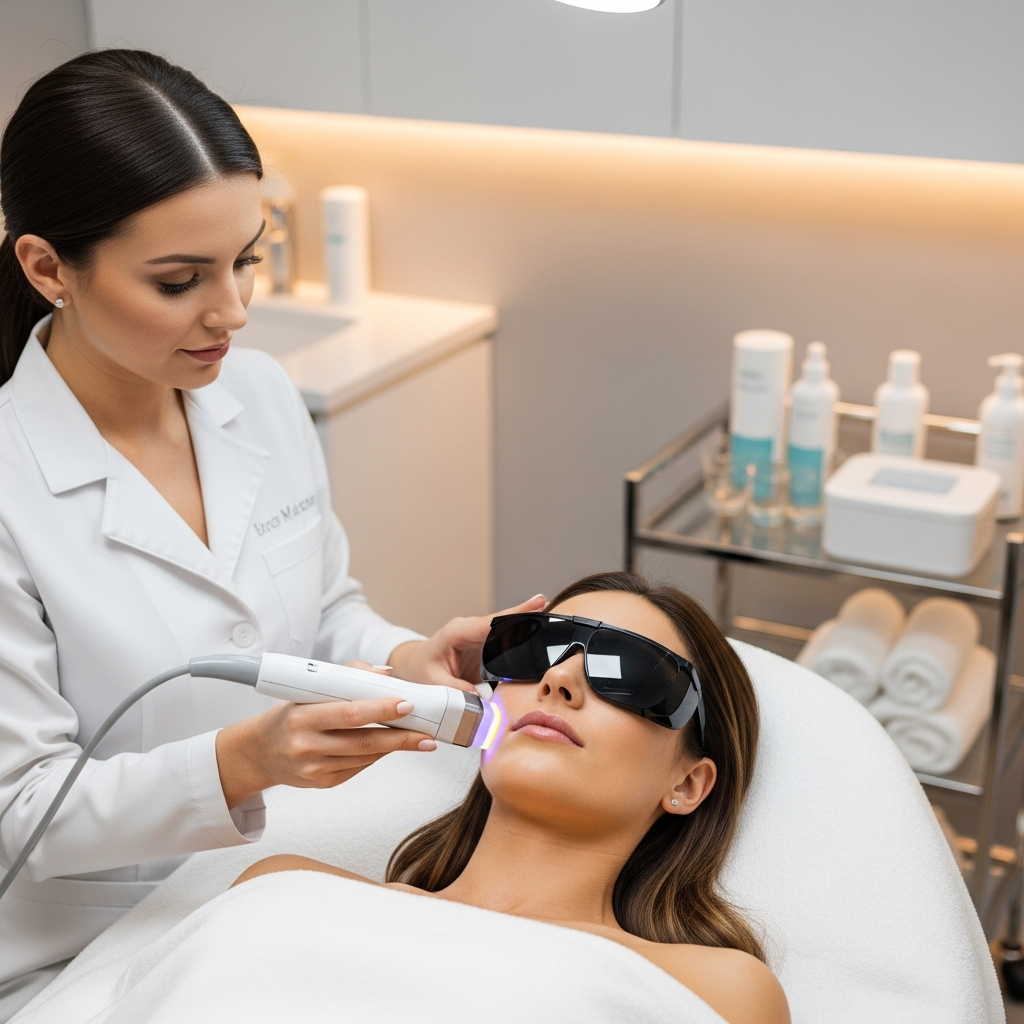
You’re standing in good lighting — maybe it’s a bathroom mirror, maybe it’s that unforgiving overhead light at a department store — and you catch a glimpse of something that stops you cold. It’s not that you look *bad*, exactly. It’s just… different from what you remember. The jawline that used to have a clean edge feels softer somehow. There’s a heaviness around the lower face that wasn’t there five years ago. You tilt your chin up slightly, instinctively, because somehow that helps. And then you think, *when did that start happening?*
If that sounds familiar, you’re in very good company.
This is one of the most common things people describe when they first come to us at Cottonwood Bend — not dramatic aging, not anything they’d necessarily call a “problem,” but this gradual, creeping softness that feels like it snuck up on them. Gravity has been quietly working against us all, every single day, and at some point the evidence starts to show. The cheeks that once sat high begin to drift. The skin along the jawline loses its crisp definition. Folds deepen near the mouth. It’s subtle at first, then suddenly… less subtle.
Here’s the thing that frustrates a lot of people: they don’t want surgery. They’re not looking for a dramatic transformation or weeks of recovery or that slightly-too-tight look that sometimes comes with more invasive procedures. They just want to look like themselves again — the version of themselves from a few years back. Rested. Defined. Like the outside matches how they actually feel on the inside.
That’s exactly where PDO threads come in. And specifically, it’s why so many people are asking about them by name now.
So What’s the Conversation Actually About?
PDO thread lifts have been around for a while — long enough that the technique has really matured and the results have gotten genuinely impressive — but there’s still a lot of confusion out there about what they actually *do*. Some people think of them as a surgical-lite procedure that sounds scarier than it is. Others have seen before-and-after photos online and wondered if those results are even real, or if they’ll translate to their own face. And honestly? Some people have heard mixed things and aren’t sure what to believe.
This article is here to clear all of that up, specifically in the context of what we do here at Cottonwood Bend.
We’re going to walk through what PDO thread results actually look like — not the idealized version, but the real, honest picture of what you can expect to see and when. We’ll talk about the immediate aftermath (which, fair warning, is not the glamorous part of the story), the changes that start showing up over the following weeks, and the longer-term results that develop as your body does something genuinely remarkable in response to the treatment.
We’ll also get into what makes a *good* result versus an average one — because technique matters enormously here, and the provider you choose makes all the difference. Not every PDO thread treatment is created equal, which is something worth understanding before you book anything.
Why This Matters Beyond Just Aesthetics
Here’s something we think about a lot. When people feel good about how they look, it’s rarely just vanity. It’s confidence in a job interview. It’s not avoiding cameras at family events. It’s walking into a room without that nagging self-consciousness that quietly drains your energy. These things matter. They affect how you move through your life.
PDO threads, when done well, can genuinely restore something — not just lift skin, but give people back a version of themselves they felt they were losing. That’s a real outcome worth understanding clearly.
So if you’ve been curious about threads, if you’ve already had a consultation and you’re still doing your research, or if you’ve never heard of them until right now and you’re just trying to figure out what all the fuss is about… you’re in the right place.
Let’s get into it.
The Basics Nobody Actually Explains Well
So here’s the thing about PDO threads – most articles either go way too technical (here comes the histology lecture) or way too vague (“they lift and tighten!”). Neither is actually helpful when you’re trying to figure out if this is worth your time and money. Let’s just… talk through it honestly.
PDO stands for polydioxanone. It’s a synthetic polymer that’s been used in dissolvable surgical sutures for decades – the kind surgeons use inside your body to hold tissues together after procedures. So the material itself isn’t new or experimental. That part’s actually reassuring. What’s newer is using it strategically in the face to trigger collagen production and create lift.
Think of it like this: your skin is kind of like a mattress. When you’re young, the springs are tight, the padding is full, everything sits up where it should. As time goes on – and honestly, genetics, sun exposure, and stress all accelerate this – those springs start to loosen and the padding thins out. PDO threads work a bit like those mattress re-coiling tools, physically repositioning what’s drifted while also encouraging your body to rebuild some of that lost structure from the inside.
How the Threads Actually Work
Here’s where it gets counterintuitive, and I’ll just admit that upfront: the threads themselves aren’t really the main event. They dissolve over about six months. What they’re doing in that window is creating what’s called a controlled inflammatory response – basically, your body notices a foreign material and says, “we need to fix this,” sending in collagen-building cells to the area.
So in a weird way, you’re sort of tricking your body into repairing itself. The thread is temporary. The collagen it stimulates? That hangs around much longer – typically 12 to 18 months, sometimes more.
There are a few different types you’ll hear about. Smooth threads are the simplest – thin, threadlike, used more for texture and skin quality than structural lift. Barbed or cog threads are the ones people usually mean when they talk about a “thread lift” – these have tiny hooks along them that physically grab tissue and hold it in a new, higher position. Think of them like those velcro cable organizers, except… inside your face. (Weird image, but it helps.)
Where It Works – and Where It Doesn’t
This is the part that gets glossed over, and it really shouldn’t be.
PDO threads shine in specific situations. Mild to moderate jowling, a softened jawline, brow heaviness, loose skin along the neck – these are the sweet spots. Someone in their late 30s to mid-50s who’s started noticing drift but still has decent skin elasticity? Often a really good candidate. The results in those cases can look genuinely refreshing without looking like anything was done.
But threads aren’t a replacement for a surgical facelift. That’s not a knock on them – it’s just physics. If there’s significant tissue laxity, deep sagging, or major volume loss, threads alone won’t get you where you want to go. A good provider will tell you that honestly. Actually, that’s one of the first things the team at Cottonwood Bend discusses during consultations – whether threads make sense for what you’re actually hoping to achieve, or whether a different approach would serve you better.
The Collagen Connection
Worth spending a second on this because it’s actually pretty fascinating. As we age, collagen production slows – we lose roughly 1% per year starting in our mid-20s, which sounds small until you do the math at 45. The inflammation that PDO threads trigger essentially hits a reset button in a localized area, prompting fibroblasts (the cells responsible for making collagen and elastin) to get busy again.
This is why a lot of people notice that their results actually *improve* over the first few weeks and months after treatment, rather than immediately. The threads are doing their job, the collagen response builds… and then around the 6-8 week mark, things start looking noticeably better. It’s a slower reveal than, say, filler – which can feel counterintuitive when you’re used to seeing more instant results from aesthetic treatments.
That timeline matters when you’re thinking about what results actually look like. Which is exactly what we’re getting to.
What to Expect in the First 72 Hours
Here’s the thing nobody really prepares you for – the first few days look rough before they look good. Swelling and mild bruising around the insertion points is completely normal, and honestly, some people look at themselves in the mirror on day two and wonder what they’ve done. Don’t panic. This is not your result.
Sleep elevated those first two nights (two extra pillows, not just one – it actually makes a difference), keep your hands away from your face, and avoid anything that gets your blood pumping hard. That means no hot yoga, no intense cardio, no steam rooms. The inflammation needs to calm down before the real magic starts happening.
Cold compresses help, but keep them gentle – press lightly rather than holding anything firmly against the threads. And skip the makeup for at least 48 hours over the treated areas if you can.
The “Honeymoon Phase” vs. Long-Term Results
Around weeks two through four, you’ll hit what I call the honeymoon phase. The swelling is gone, the collagen response is just getting started, and everything looks fresh and lifted. Patients often come in absolutely thrilled at this point – and they should be! But here’s the thing worth knowing: this isn’t even your final result yet.
The real transformation happens between months two and four, when your body has been quietly laying down new collagen around the threads. It’s like planting seeds – you don’t dig them up after a week to check on them. The lift you see at month four is typically more natural-looking, more integrated, more *you* than that early pop you noticed in week three.
Take photos. Seriously – do this from day one, same lighting, same angle, every two weeks. Progress in the mirror is incredibly easy to miss because you’re seeing your face every single day.
Protecting Your Investment (This Matters More Than People Think)
PDO threads are doing a specific job – they’re scaffolding your tissue and triggering collagen synthesis – but they can’t do that job well if you’re working against them. A few non-negotiables
Sun protection is everything here. UV exposure breaks down collagen, which is essentially the whole point of this treatment. SPF 30 minimum, daily, no exceptions. Not just beach days. Not just summer. Every day.
Avoid aggressive facial massage or lymphatic drainage treatments on the treated areas for at least four weeks. Your practitioner at Cottonwood Bend can tell you exactly when it’s safe to resume any facial treatments you normally get.
If you’re a stomach or side sleeper… this one’s annoying, but try to stay on your back for two weeks. Pressure on the face while threads are settling can affect symmetry. It’s a short-term inconvenience for a long-term payoff.
When to Call the Clinic
Most people sail through recovery without any real issues. But there are a few things worth reaching out about – not to worry you, just so you’re informed. If you notice asymmetry that’s getting more pronounced after week one (a little asymmetry right after is normal, it resolves), or if you feel a thread that seems to be poking or protruding near the surface, call the team. Neither of these is an emergency, but they’re worth a conversation.
Infection is rare but real – redness that’s spreading, warmth, or fever are signals to contact the clinic promptly rather than waiting to see if it resolves.
Maximizing and Extending Your Results
Here’s where it gets interesting. PDO threads and other treatments work *beautifully* together when timed right. Many patients find that adding a small amount of filler six to eight weeks post-threads – after that initial swelling has fully resolved – creates a result that looks genuinely age-reversing rather than “done.”
Staying on top of skin health between now and your next thread treatment matters too. Retinoids, adequate hydration, and collagen-supporting nutrition (yes, protein intake actually plays a role here) all contribute to how well your results hold.
Most PDO thread results last 12 to 18 months, but patients who take care of their skin and come in for maintenance treatments consistently tend to land on the longer end of that range – and some find they need less correction each time because they’re staying ahead of the process rather than catching up to it.
That’s really the whole game, honestly. Start earlier than you think you need to, maintain what you’ve built, and you’ll be the person everyone wants to ask your secret.
When Results Don’t Look Like You Expected
Let’s be honest about something most before-and-after galleries won’t tell you: the first two weeks after PDO threads can be… a little rough. Not dangerous, not permanent – but rough. Swelling, some puckering at the entry points, maybe a little asymmetry that makes you wonder if you made a terrible mistake. This is so common it’s practically a rite of passage, and yet so many people panic because nobody warned them adequately.
The fix? Time. Genuinely. Most of that initial unevenness resolves as swelling subsides, usually by week two or three. If puckering persists past that point, a gentle massage technique – your provider will show you exactly how – can help smooth things out. The worst thing you can do is prod and poke at it anxiously in the mirror every morning. We know. It’s tempting. Don’t.
The “Nothing Happened” Feeling
This one trips people up more than anything else. PDO threads aren’t Botox. You won’t walk out of the office looking dramatically different. The results build gradually as collagen production kicks in, which means there’s this awkward middle period where you feel like you spent real money on… nothing?
You didn’t. But the subtle nature of thread results – which is actually one of their biggest advantages, that natural look – can make it genuinely hard to see progress when you’re staring at your own face daily. Take photos. Seriously, do this before your appointment and at regular intervals after. Side-by-side comparisons reveal what your brain can’t perceive in the mirror. Most people have their “oh, *there* it is” moment around weeks six to eight.
Managing Discomfort That Lingers Longer Than Expected
Some soreness and tenderness is completely normal. But occasionally, people experience discomfort that hangs around longer than the typical three to five days – a dull ache when chewing, some tightness that feels weird. This usually comes down to placement near muscles that get a lot of use. Your jaw, for instance, is working constantly.
Soft foods for the first week aren’t just a suggestion – they’re genuinely protective. Avoiding extreme facial movements and sleeping on your back (rough, we know, especially for dedicated side-sleepers) gives everything a chance to settle without constant disruption. Over-the-counter anti-inflammatories help. If discomfort feels significant or one-sided in a way that concerns you, call your provider. Not everything needs intervention, but they should know.
When One Side Looks Different From the Other
Facial asymmetry is real and universal – everyone’s face is slightly uneven – but threads can sometimes make you hyperaware of this in a way you weren’t before. There’s also the possibility that mild procedural asymmetry contributes to an uneven appearance during healing.
Here’s the honest truth: minor asymmetry during the first month doesn’t mean your results will be asymmetric long-term. Swelling rarely subsides at exactly the same rate on both sides. If asymmetry is still noticeable at the three-month mark, that’s worth a conversation with your provider. Sometimes a small touch-up or additional thread on one side addresses it completely.
Unrealistic Timelines and Planning Fails
This is a logistical challenge more than a medical one, but it catches people off guard. Someone books their appointment two weeks before a wedding – or a high school reunion, or a vacation where they want to look great in photos – not realizing that two weeks out is peak “possible awkward phase” territory.
The ideal timeline is three to four months before a major event. That gives you the full collagen-building window, time to address any touch-ups, and lets results settle into their final, natural state. If you’re already inside that window, it doesn’t mean you can’t do it – just go in with adjusted expectations about what you’ll see on the day.
Finding the Right Provider Makes Almost Everything Easier
A lot of the challenges above become significantly less challenging with an experienced injector who sets expectations properly from the start. The anxiety about that puckering? Less intense when someone told you it was coming. The uncertainty about results? Easier to navigate when you have a provider who actually answers their phone.
Ask questions before you commit. How many thread procedures do they perform monthly? What’s their protocol if you have concerns post-procedure? Do they schedule follow-up appointments? The answers tell you a lot. Results matter – but so does the support you get getting there.
What to Expect in the First Few Days
Okay, real talk for a second. The day after your PDO thread treatment, you might look in the mirror and think… *this was a mistake*. Don’t panic. Swelling, some puffiness, maybe a little bruising – that’s completely normal. Your face just had tiny sutures placed into it, so it needs a minute to calm down.
Most people look “off” for about 3-7 days. Nothing dramatic, but enough that you might want to skip the big dinner party or the video call with your whole team. A little redness along the entry points, some tenderness when you smile or chew – it’s all part of the process. Think of it like breaking in a new pair of shoes. There’s an adjustment period before things feel right.
Cold compresses, sleeping with your head slightly elevated, and avoiding strenuous exercise for the first 48 hours go a long way. Your provider will walk you through the specifics, but mostly? Rest, be patient, and resist the urge to poke at things.
The Two-Week Mark (And Why It’s a Weird Middle Ground)
Here’s something nobody always mentions upfront – weeks one and two can actually look a little worse than week one in some ways. Swelling shifts. Things settle unevenly before they settle evenly. You might notice slight puckering or gathering of skin near the entry points, which sounds alarming but is actually just the threads doing their job.
This typically resolves on its own as the tissue relaxes around the sutures. By the end of week two, most people are looking pretty close to normal – maybe even a touch better than before, with some early lifting visible. But it’s not the full result yet. Not even close, honestly.
When You’ll Actually See Results
The real answer? About 4-6 weeks in is when most people start to genuinely notice the difference. That’s when the initial swelling is fully gone and the threads have settled into their position. You’ll see the lift more clearly, and the skin texture often starts to improve as collagen production kicks in.
But here’s the thing about collagen – it builds slowly. We’re talking months, not weeks. The full effect of PDO threads, including that deeper, more structural improvement in skin quality and firmness, typically continues developing for 3-6 months after treatment. So if you’re still wondering at month two whether it “worked,” give it more time. The best results are often the quiet, gradual ones you notice when you look back at old photos.
How Long Results Last
This is probably the most important expectation to set correctly, because it varies more than people realize.
Most patients see meaningful results lasting anywhere from 12-18 months. Some people – especially those who take good care of their skin, stay out of the sun, and maintain a stable weight – hold onto their results even longer. Others metabolize the threads faster. Your age, skin quality, and lifestyle all factor in.
The threads themselves dissolve completely within 6-8 months, but the collagen they’ve stimulated? That sticks around longer. So you’re not just getting a temporary mechanical lift – you’re getting some genuine tissue remodeling that has staying power.
That said, PDO threads aren’t a permanent fix. They’re more like a really effective “reset” that buys you meaningful time. Many patients do a follow-up treatment around the 18-month mark to maintain their results, and because some collagen foundation is already there, subsequent treatments often look even better.
Your Next Steps at Cottonwood Bend
If you’re seriously considering PDO threads, the smartest next move is a consultation – not a commitment. Come in, talk through your specific concerns, and let us look at your anatomy and skin quality in person. We can give you a much more personalized timeline and expectation based on *you*, not just the general averages.
It’s also worth asking about combination approaches. Threads pair beautifully with certain other treatments, and sometimes a layered plan gives you a more natural, complete result than threads alone.
The bottom line is this – PDO threads work, they work well for the right candidates, and the results are genuinely satisfying for most patients. But they work on *your body’s* timeline, not a marketing brochure’s. Going in with realistic expectations isn’t pessimistic. It’s actually what sets you up to be pleasantly surprised.
So here’s the thing about PDO threads that doesn’t always make it into the clinical descriptions and before-and-after galleries – the results aren’t just about looking younger. They’re about looking *like yourself again*. That version of you that feels rested, refreshed, and a little more like the person you see in your head when you’re not catching yourself in the harsh fluorescent lighting of a dressing room mirror. You know that feeling? That’s what we’re really talking about.
The changes are subtle enough that people can’t quite put their finger on what’s different – and that’s honestly the best compliment. Not “what did you do?” but “you look amazing, are you doing something new?” There’s something genuinely lovely about a treatment that works *with* your face instead of trying to redesign it.
What Sticks With You After Reading All of This
If you’ve made it this far, you probably already have a sense of whether this might be right for you. Maybe you’ve been watching that jawline soften for a few years. Maybe your cheeks have lost a little of that lift that used to be just… there. Or maybe you’re just curious and doing your research the smart way – which, for the record, is exactly what you should be doing.
The results from PDO threads tend to build gradually and quietly. The immediate lift after your appointment gives way to something even better over the following weeks – collagen rebuilding, tissue tightening, your skin essentially being reminded of what it’s capable of. Most people see their best results somewhere around the two to three month mark, and those results can last a year or more depending on your skin, your age, and how your body responds.
It’s not permanent. Nothing non-surgical is, really. But the collagen your body builds during the process? That’s yours to keep, even after the threads have dissolved. And that feels like a pretty good deal.
You Don’t Have to Figure This Out Alone
Here’s what we want you to know more than anything else – you don’t have to come in with a plan. You don’t need to have all the right vocabulary or know exactly which treatment you want or show up with a Pinterest board of faces you’d like to approximate. (Though hey, bring the Pinterest board if it helps. No judgment.)
What you *do* need is someone who will actually listen to what’s bothering you – not just measure your face and hand you a treatment menu. Our team in Cottonwood Bend genuinely loves these conversations. The ones where someone sits down and says “I just want to feel a little more like myself” and we get to figure out together whether threads, or something else entirely, might be the right path.
If any part of this article made you think *maybe* – that maybe is worth a conversation. Reach out to us, ask your questions, tell us what you’re hoping for. There’s no pressure, no commitment, and no such thing as a silly question when it comes to your face and how you feel in it.
You deserve to feel good. And we’d love to help you get there.