Starcreek Moxi Laser: Is It Right for Your Skin?
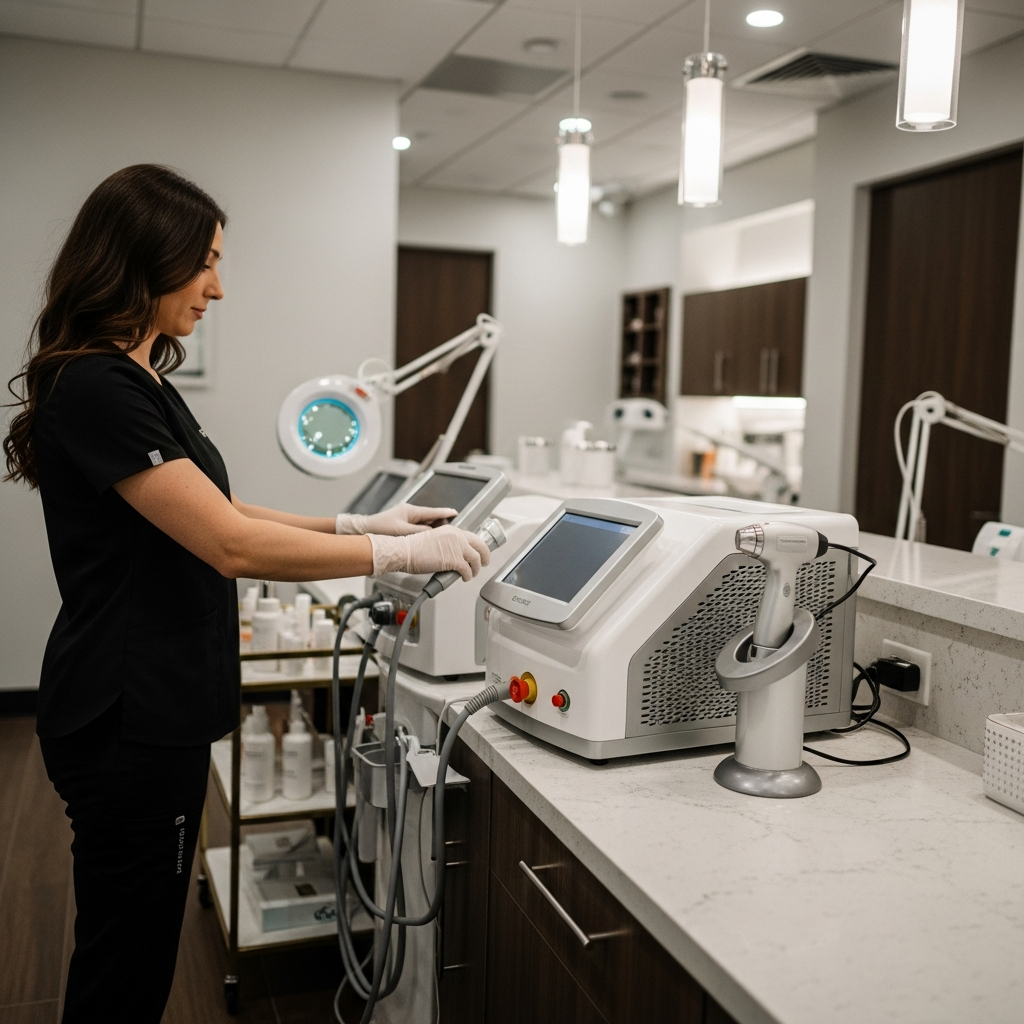
You know that moment when you catch yourself in a certain light – maybe the harsh fluorescent glare of a public bathroom, or that unforgiving angle in your car’s visor mirror on a sunny afternoon – and you suddenly notice things you’d rather not? The fine lines that weren’t there last year. The sunspots that seemed to appear out of nowhere. That overall dullness that makes you look tired even when you’ve actually slept for once.
Yeah. We’ve all been there.
And if you’re reading this, chances are you’ve moved past the “maybe a better moisturizer will fix it” phase and you’re seriously wondering whether a laser treatment might actually be the answer. Which is smart, honestly – because there’s a point where skincare products can only do so much, and your skin is basically waving a little white flag.
Here’s the thing about the world of laser treatments though: it’s… a lot. Walk into any med spa conversation or start Googling, and you’re suddenly drowning in acronyms, brand names, and clinical terms that all blur together. Ablative versus non-ablative. Fractional versus fully resurfacing. CO2 lasers, IPL, clear and brilliant… it can feel like you need a medical degree just to figure out where to start.
That’s exactly why the Moxi Laser – specifically as it’s offered at Starcreek – deserves a proper conversation.
Why Moxi Has People Talking
The Moxi laser has been quietly building a serious reputation, and not just in the “new trendy treatment everyone forgets about in six months” kind of way. It’s earned genuine loyalty from real patients who came in skeptical and left genuinely surprised. People with busy schedules who couldn’t afford significant downtime. People who’d been told they were “not quite ready” for more aggressive resurfacing but knew their skin needed *something*. People who just wanted to look like themselves again, only… refreshed.
What makes Moxi interesting – and genuinely different from some of the heavier laser options out there – is where it sits on the spectrum. It’s not trying to be the most dramatic transformation you’ve ever seen. It’s designed to be something arguably more useful for a lot of people: effective, gentle enough for regular use, and actually compatible with real life.
But “gentler laser” doesn’t mean “barely does anything.” That’s a misconception worth clearing up right now, and it’s one of the things we’ll get into properly.
What You’ll Actually Learn Here
This isn’t going to be a fluffy overview that leaves you with more questions than answers. By the time you finish reading, you’ll understand exactly how the Moxi laser works and why that mechanism matters for your specific skin concerns. You’ll know who it’s genuinely a good fit for – and honestly, who might be better served by something else, because not every treatment is right for every person and any clinic worth trusting will tell you that upfront.
We’ll walk through what a real Moxi treatment at Starcreek actually looks like, from the moment you sit down to what your skin is doing two weeks later. We’ll talk about the results people actually see – not the best-case-scenario marketing photos, but the realistic, honest picture of what to expect and when. And because cost is always part of this decision whether we say it out loud or not, we’ll cover that too.
There’s also the question of skin tone and type, which matters a lot more with laser treatments than most people realize. Moxi has a genuinely good reputation for being inclusive across a broader range of skin tones than some comparable treatments – something the Starcreek team is particularly thoughtful about in how they approach consultations.
This Is Actually About You
Here’s what we want you to walk away with: enough real information to know whether Moxi might be worth a conversation – or whether your time and money might be better directed elsewhere. Because you deserve clarity, not a sales pitch.
Your skin is changing. That’s not a flaw, it’s just biology doing its thing. But if you’re at the point where you want to do something about it that actually works? Let’s figure out if Moxi might be that thing for you.
What Even Is a Fractional Laser, Anyway?
Okay, let’s start with the basics – because “fractional laser” sounds like something a mathematician invented, not a dermatologist. Here’s the simplest way to think about it: imagine your skin is an old wooden deck that’s seen better days. You could sand the entire thing down at once (that’s ablative laser treatment – effective, but intense recovery). Or you could methodically treat thousands of tiny sections at a time, leaving the wood between those spots untouched. That’s fractional treatment. Those untouched areas? They’re your skin’s built-in recovery crew, helping everything heal faster.
Moxi specifically is what’s called a non-ablative fractional laser, which means it heats the tissue underneath your skin without actually removing the surface layer. This is where it gets a little counterintuitive – you’re creating controlled micro-damage to trigger your skin’s repair response. Which sounds alarming, honestly. But it’s the same principle behind why tiny muscle tears from exercise make you stronger. Your body responds to stress signals by rebuilding better than before.
The Science Behind the Glow (Without the Overwhelm)
Moxi uses a 1927 nanometer wavelength – and you really don’t need to memorize that number, but here’s why it matters. Different wavelengths of light target different depths and structures in your skin. This particular wavelength has a strong affinity for water in skin cells, which means it can deliver precise, controlled energy exactly where it’s needed without going rogue on surrounding tissue.
When those laser pulses hit your skin, they create what clinicians call “coagulation zones” – tiny columns of thermally affected tissue. Your immune system sends in the cleanup crew, new collagen production kicks up, and over the following weeks, fresher skin cells migrate to the surface. The whole process is a bit like renovating a building while people are still working inside. Life keeps going, but improvements are happening underneath.
One thing worth knowing: collagen remodeling is slow. Like, genuinely slow. Most people see initial improvements within a week or two, but the deeper changes – the stuff that really smooths texture and fades discoloration – continues for three to six months. This catches a lot of people off guard. It’s not a “wow, immediate transformation” situation. More of a gradual “wait, my skin looks different somehow” realization.
Where Moxi Sits in the Laser World
There’s a whole spectrum of laser intensity out there, and Moxi deliberately sits on the gentler end. That’s actually a feature, not a limitation – though it’s worth understanding what that means for you.
On one end you’ve got aggressive resurfacing lasers (CO2, erbium) that deliver dramatic results but require serious downtime, sometimes weeks of recovery, and aren’t appropriate for darker skin tones without significant risk. On the other end, you’ve got light-based treatments like IPL that barely scratch the surface. Moxi lands somewhere in the thoughtful middle – more effective than a casual facial, less intense than full resurfacing.
Actually, that middle positioning is exactly what makes Moxi interesting for a certain type of patient. Someone who can’t take two weeks off from life – or from being seen in public – but still wants real, measurable improvement.
Skin Tone Matters More Than You’d Think
This is something that doesn’t get talked about enough in the laser world. Many traditional laser treatments carry real risks for medium to deeper skin tones, particularly post-inflammatory hyperpigmentation – which is basically when the treated skin responds to trauma by producing *more* pigment, the opposite of what you wanted. Frustrating and unfortunately common with the wrong laser choice.
Moxi’s wavelength and delivery method make it considerably safer across a broader range of skin tones – Fitzpatrick types I through IV, generally speaking. Your provider will assess this carefully, and if you’ve got deeper melanin, that conversation is especially important. Not a deal-breaker, but a “let’s talk specifics” situation.
The Downtime Reality Check
Expect two to five days of what most people describe as feeling like a moderate sunburn – some redness, mild swelling, and a texture that gets a little rough and bronzed as treated cells shed. It’s not pretty, but it’s manageable. Most people plan treatments around a weekend or a slower week, put on their SPF like it’s their part-time job, and come out the other side looking noticeably clearer.
It’s temporary awkwardness for longer-term results. Most find that trade-off pretty reasonable.
What to Actually Tell Your Provider Before Your Appointment
Here’s the thing most people skip – the honest conversation before they ever lie down on the treatment table. Don’t just show up and say “I want glowy skin.” Come prepared.
Tell your provider exactly what’s been bothering you. Not in vague terms like “my skin looks dull” but specifically – is it brown spots from years of sun damage? Fine lines around your mouth? That weird texture on your cheeks that no serum has ever touched? The more specific you are, the better they can calibrate the Moxi settings for your actual concerns rather than a one-size-fits-all approach.
Also? Be brutally honest about your skincare routine. If you’re using a retinol or tretinoin, say so – and mention when you last used it. Most providers want you to stop prescription retinoids about a week before treatment. Same goes for any recent chemical peels, waxing, or other laser treatments. It’s not about judgment, it’s about keeping your skin safe.
Timing Your Treatment Like You Actually Thought It Through
This one matters more than people realize. Moxi and sun exposure are genuinely not friends. If you’ve got a beach vacation in three weeks, hold off. If your sister’s outdoor wedding is next weekend and you’re the maid of honor… definitely hold off. You need to plan for about a week of looking a little rough – we’re talking the “MENDS” (those tiny dark flecks that shed off as your skin heals) and some pinkness – before you look refreshed.
The best time to schedule? Fall or winter, honestly. Lower UV index, more time spent indoors, and nobody’s asking why you’re being so diligent about sunscreen. That said, year-round treatment is absolutely doable – you’ll just need to be religious about SPF 50 and a wide-brimmed hat for several weeks after.
Also consider your social calendar. Give yourself a full week of buffer before anything important. Most people look presentable in 5-7 days, but skin is unpredictable and yours might need a little longer.
The Post-Treatment Window Nobody Tells You About
The 24-48 hours after Moxi are when people tend to make the most mistakes. Your skin is going to feel like a mild sunburn – warm, a little tight, maybe slightly swollen. This is normal. What you should absolutely avoid during this window: anything with fragrance, acids, actives, or exfoliants. Put the vitamin C serum down. Step away from the glycolic toner.
Stick to the basics. A gentle cleanser (Vanicream or CeraVe, nothing fancy), a bland moisturizer, and mineral sunscreen if you’re going outside. That’s it. Actually, less is more here – your skin is doing its job and it doesn’t need your twelve-step routine interfering.
Cold compresses can be your best friend in those first hours. Some providers will give you a cooling fan or recommend an aloe-based gel – use it.
Getting the Most Out of a Series
One session of Moxi is nice. A series of three to four treatments, spaced about four weeks apart? That’s where people start texting their friends asking what they’ve been doing differently.
If your provider recommends a series, budget for it from the start rather than doing one treatment and wondering why you’re not seeing dramatic results. Think of it less like a single event and more like… physical therapy for your skin. One session moves the needle. Consistency moves it significantly.
Between sessions, your job is basically maintenance – keep it moisturized, keep it protected from the sun, and resist the urge to pile on actives that could irritate newly treated skin.
Who Should Probably Pause Before Booking
Moxi is one of the more inclusive laser options for different skin tones, but it’s not for everyone right now. If you’re pregnant or breastfeeding, sit this one out. If you’re on Accutane or have been recently (within the last six months to a year), your provider needs to know – it affects how your skin heals. Active cold sores in the treatment area are also a hard stop until they’ve fully cleared.
And if you’re dealing with any active skin infections, rosacea flares, or open wounds? Same answer. Wait. Your skin will still be there, and so will Moxi.
When Things Don’t Go Exactly As Planned
Let’s be real for a second. Most before-and-after photos you see online are the highlight reel. The person who healed perfectly, photographed in great lighting, three months post-treatment. What you don’t always see? The week in between where they were second-guessing everything, canceling brunch, and Googling “is this normal” at midnight.
So here’s what actually trips people up – and what to do about it.
The Downtime Surprise
This is probably the biggest one. People hear “minimal downtime” and mentally translate that to “I’ll look a little pink for a day or two.” Then day three hits and they’re staring at skin that looks like it lost a fight with sandpaper.
Here’s the thing – Moxi does involve what’s called MENDs (microscopic epidermal necrotic debris). Tiny darkened spots that surface and then shed off. It’s actually the treatment working exactly as it should. But nobody warned you it would look like that, so it’s… alarming.
What actually helps: Build in five to seven days before any big event. Not three. Seven. Tell your boss you might be working from home. Warn your partner. Seriously, set yourself up so that you’re not stressed about how you look during the healing phase, because stress and healing don’t mix well.
Sun Exposure – The One Thing People Underestimate
You know how dermatologists have been telling you to wear sunscreen your whole life and you’ve been sort of doing it? After Moxi, you have to actually do it. Every single day. No exceptions. Fresh skin that’s been treated is significantly more vulnerable to UV damage, and sun exposure post-treatment can cause hyperpigmentation that undoes everything you just paid for.
The tricky part is that people are usually really diligent the first week – and then life happens. They forget to reapply. They run outside to grab the mail and figure it’s just two minutes…
Set a phone alarm. Keep sunscreen by the door. Make it stupid easy to do the right thing.
Realistic Timelines Are Harder Than They Sound
You know intellectually that results take time. You don’t *feel* it that way. Around week two, when your skin is done peeling but not yet glowing, there’s this weird limbo period where you might think it didn’t work. This is normal. Collagen remodeling takes months – your skin is doing deep, slow work that won’t show up on your face until it’s ready.
Actually, this is one of the most common reasons people get discouraged unnecessarily. Give it a full twelve weeks before you draw any conclusions. Take photos in the same lighting, same time of day. You’ll miss subtle changes otherwise.
Skincare Product Confusion
Post-Moxi, your provider gives you instructions and suddenly your entire bathroom routine feels like a minefield. Can I use my vitamin C serum? What about retinol? What does “gentle cleanser” even mean?
The honest answer is that people frequently go one of two directions – they either abandon all their products out of fear and end up with dry, unhappy skin, or they push back to their regular routine too fast and cause irritation.
The solution is simpler than you think: Ask your provider for a specific, written list. Not general guidance – actual product categories and a timeline for reintroduction. Most clinics are happy to do this if you ask directly. If yours isn’t, that’s worth noting.
When Results Feel Underwhelming After One Session
One session of Moxi is not always enough. This surprises people because the marketing around laser treatments can make it sound transformative from a single appointment. For significant sun damage, texture concerns, or deeper discoloration, you’re likely looking at a series – usually two to four treatments spaced about four to six weeks apart.
If your results feel subtle after one round, don’t write off the treatment. Talk to your provider about whether a series makes sense for your specific skin concerns. The cumulative effect is genuinely different from a single session.
The Emotional Piece Nobody Talks About
Caring this much about your skin can feel a little embarrassing to admit. Like you should be above it. You’re not above it – nobody is. Feeling frustrated when healing is slow, or anxious when your face looks worse before it looks better, is completely normal.
Be patient with yourself the same way you’d tell a friend to be patient. Your skin is doing something remarkable. It just needs a minute.
What to Expect (Honestly)
Let’s be real with you for a second. If you’ve been scrolling through before-and-after photos and expecting to walk out of your Moxi appointment looking like a filtered version of yourself… that’s not quite how this works. And honestly? A provider who tells you otherwise should give you pause.
Moxi is a gentle, non-ablative laser – which is exactly what makes it so appealing for most people. You’re not dramatically resurfacing your skin. You’re nudging it. Encouraging it. Giving your skin cells the biological equivalent of a firm but friendly “okay, let’s get to work.” That means the results build gradually, not overnight.
The First Few Days Post-Treatment
Right after your appointment, expect your skin to look a little pink – kind of like a moderate sunburn. Some people describe a mild sandpaper texture as the top layer of skin starts doing its thing. This is normal. This is the process. Most people feel comfortable going about their regular life within 24-48 hours, though you’ll want to hold off on anything too sweaty or sun-exposed.
Around days 2-4, you might notice what practitioners call “MENDs” – tiny dark spots that look like pepper flakes on your skin. We know, that sounds alarming. But these are just microscopic bits of damaged tissue making their way out, and they typically flake away within a few days. Keep your skincare simple during this window – gentle cleanser, good moisturizer, and SPF. That’s really it.
When Will You Actually See Results?
Here’s where we want to be genuinely straight with you. Most people notice something around the 2-4 week mark – a subtle glow, a little more evenness. But the real results show up over three to six months, as your skin continues producing new collagen. It’s slow. It’s quiet. And one day you’ll catch yourself in decent lighting thinking “wait, my skin looks… good?” and you won’t even be able to pinpoint exactly when it happened.
One treatment is rarely the whole story. Most providers recommend a series of three to four sessions, spaced about four to six weeks apart. Think of it less like a one-time fix and more like a course of treatment – similar to how you wouldn’t expect physical therapy to work after a single appointment.
You’ll Need to Be Serious About Sun Protection
This part isn’t optional, and we’d be doing you a disservice by burying it at the bottom. After Moxi – and honestly, throughout your maintenance period – sunscreen is non-negotiable. Your skin is more vulnerable after laser treatment, and sun exposure can undo your results or cause hyperpigmentation, particularly if you have a deeper skin tone. SPF 30 minimum, every single day, even when it’s cloudy. Even when you’re “just running errands.” Yes, really.
Planning Your Series
If you’re thinking about moving forward, it helps to plan backwards. Got a big event in four months? That’s actually a pretty ideal timeline for a three-session series. Starting a Moxi course in the summer? You’ll want to think carefully about your sun exposure habits – it’s not impossible, but it does require more diligence.
Actually, this is worth bringing up at your consultation, because timing really does matter here. A good provider will look at your calendar, your skin concerns, and your lifestyle before recommending a treatment schedule that makes sense for *you* specifically.
Your Next Steps
So, is Moxi the right call? That depends on things only a qualified provider can assess in person – your skin tone, your concerns, your history with other treatments. The good news is that Moxi tends to be well-tolerated across a pretty broad range of skin types, and the downtime is genuinely minimal compared to more aggressive options.
If you’re curious, the best next step is a consultation. Not a sales pitch – an actual conversation about your skin. Come with photos of what’s bothering you, be honest about your expectations, and ask the provider to show you realistic results for your skin type specifically.
Moxi isn’t magic. But for the right person, with realistic expectations and a little patience? It’s a pretty solid investment in your skin’s long-term health. And sometimes, that’s exactly enough.
So here’s the honest truth about all of this – no laser treatment, no matter how sophisticated or well-researched, is a one-size-fits-all solution. And that’s actually okay. That’s just how skin works. Your skin tells a story that’s completely unique to you, shaped by your genetics, your history with the sun, the years you’ve spent laughing and worrying and living. A treatment that transforms one person’s complexion might not be the right starting point for someone else.
What makes Moxi genuinely exciting – and we don’t say that lightly, because honestly, not every new treatment lives up to its buzz – is that it sits in such a thoughtful sweet spot. It’s not trying to be the most aggressive option in the room. It’s trying to be the *right* option for people who want real improvement without the kind of recovery that takes over your life for weeks. For a lot of people? That’s exactly what they’ve been looking for.
But here’s what we really want you to walk away with. Whether Moxi is your answer or whether something else entirely makes more sense for your skin, you deserve to make that decision with a real human being in your corner – someone who can actually look at your skin, listen to what’s bothering you, and give you an honest picture of what’s possible. Not a quiz. Not an algorithm. A conversation.
The questions that come up in these consultations are often the ones people have been carrying around quietly for years. *Is this fixable? Am I too late? Will I look like myself?* Those questions deserve thoughtful, personalized answers.
Actually, that’s one of the things we hear most often from people after their first consultation – they just feel relieved. Not because they necessarily had a dramatic transformation right then and there, but because they finally had someone explain what was actually happening with their skin and what realistic options looked like. That clarity alone can feel like a weight lifted.
If you’ve been reading through this and something resonated – whether you’re tired of uneven texture that no serum seems to touch, or sun damage that’s been accumulating quietly for decades, or you’re just curious about what a gentler approach to skin resurfacing might look like for you – we’d genuinely love to talk.
Reach out to our team whenever you’re ready. There’s no pressure to commit to anything, no hard sell waiting on the other side of that inquiry form. Just a conversation with people who care about getting you the right answer, even if that answer turns out to be “actually, let’s try something else first.” We’re good with that too.
Your skin has taken care of you this whole time. It’s okay to give it a little attention back.