Allen Med Spa vs Traditional Spa: What’s the Difference?
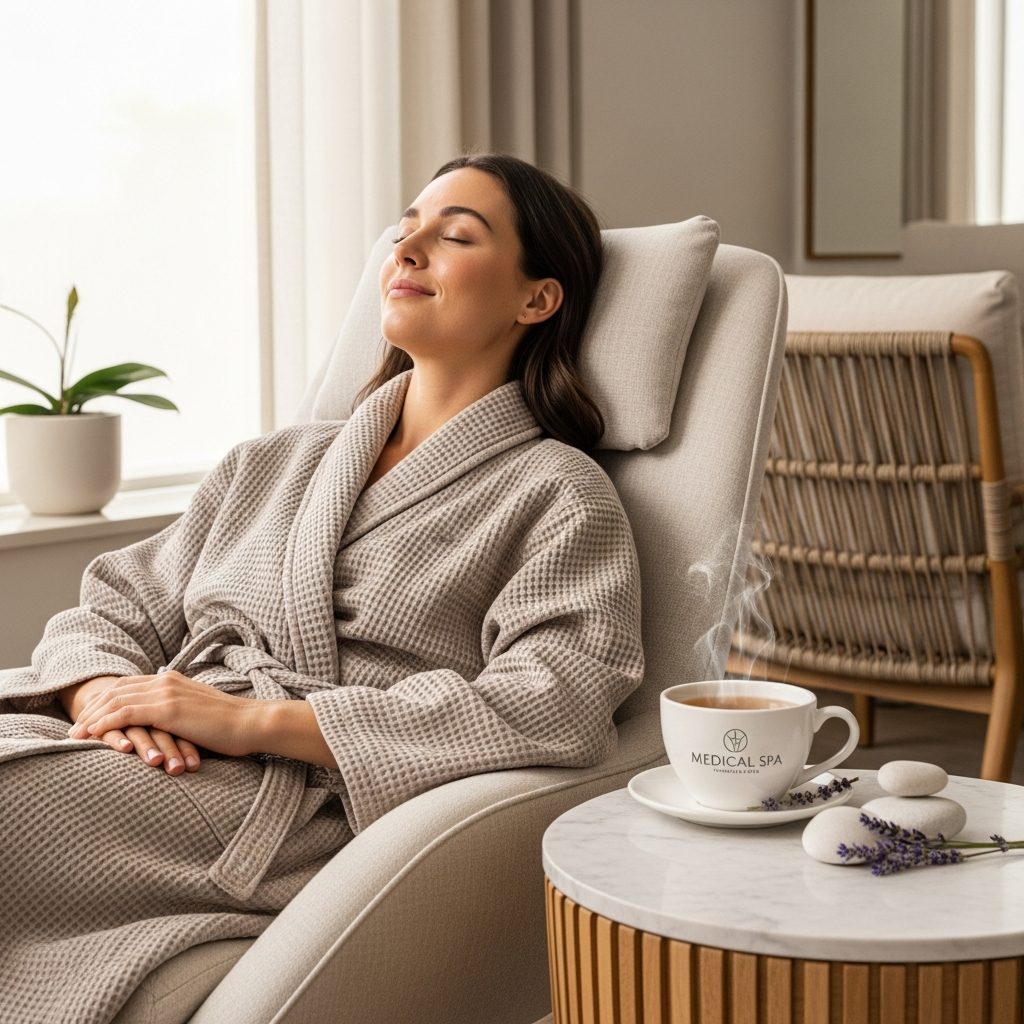
Picture this: you’re scrolling through Instagram, and suddenly you’re hit with two very different posts. The first shows your friend Sarah lounging in a fluffy robe, cucumber slices over her eyes, looking absolutely zen after what she calls her “spa day.” The second? Your coworker Jennifer, practically glowing, posting about something called a “HydraFacial” at a place that definitely doesn’t look like any spa you’ve ever seen – no essential oils in sight, but she looks… well, incredible.
You pause mid-scroll, suddenly very aware of your own reflection in your phone screen. When was the last time you did something – anything – just for you?
Here’s where it gets confusing, though. Jennifer keeps talking about “treatments” and “consultations,” while Sarah’s all about “pampering” and “relaxation.” They’re both calling their experiences “spa days,” but they sound like completely different universes. And you? You’re standing in the middle, wondering which planet you should visit first.
If you’ve ever felt this way – caught between wanting to treat yourself but not quite sure what kind of treatment you actually need – you’re definitely not alone. The lines between traditional spas and medical spas have gotten blurrier than your vision without your reading glasses, and honestly? It’s kind of overwhelming.
Maybe you’ve been dealing with stubborn acne scars that no amount of drugstore serums seem to touch. Or perhaps you’ve noticed those little lines around your eyes becoming… well, not so little anymore. You’ve probably thought about booking a facial, but then you start wondering if you need something more serious. Something that actually works. But do you really need a doctor involved in your skincare routine? That seems a bit dramatic, right?
Or maybe you’re on the opposite end – you just want to unwind, forget about deadlines and grocery lists and that weird noise your car’s been making. You want soft music, dim lighting, and someone to knead the knots out of your shoulders while you drift off to somewhere peaceful. You don’t need anything “medical” – you just need to breathe.
The thing is, both of these needs are completely valid. But they’re also completely different, and knowing which one you’re actually seeking can save you from some pretty awkward (and expensive) mistakes.
I learned this the hard way when I booked what I thought was a “relaxing facial” at what turned out to be a medical spa. Let me tell you, there’s nothing particularly zen about discussing your skin concerns with someone in scrubs while they analyze your pores under what felt like a microscope. Don’t get me wrong – my skin looked amazing afterward – but I definitely wasn’t prepared for the clinical vibe when all I wanted was some me-time.
The truth is, both traditional spas and medical spas have their place in the wellness world, but they’re designed for entirely different goals. One focuses on relaxation and stress relief – think massage therapy, aromatherapy, and that feeling of floating on a cloud. The other targets specific skin and body concerns with medical-grade treatments – we’re talking chemical peels, laser therapy, and results you can actually measure.
But here’s what nobody tells you upfront: choosing between them isn’t just about what treatments they offer. It’s about understanding what you actually want to walk away with. Are you looking to feel pampered and refreshed? Or are you ready to tackle specific concerns with treatments that might make you look (and feel) noticeably different?
And that’s exactly what we’re going to figure out together. We’ll walk through what really happens behind the doors of each type of spa, who’s performing your treatments (and why that matters more than you might think), and most importantly – how to know which experience is going to give you what you’re actually looking for.
Because the last thing you want is to spend your hard-earned money and precious free time on something that leaves you feeling like you picked the wrong door. Trust me, we’re going to make sure that doesn’t happen.
What Actually Makes a Medical Spa “Medical”?
Here’s where things get interesting – and honestly, a bit confusing if you’re new to all this. A medical spa isn’t just a regular spa that happens to have a doctor’s business card lying around. It’s more like… well, imagine if a luxury hotel and a medical clinic had a baby. You get the relaxing ambiance and pampering experience, but with actual medical procedures happening behind those serene walls.
At Allen Med Spa (and other legitimate medical spas), you’ll find licensed medical professionals – doctors, nurse practitioners, physician assistants – who can legally perform procedures that go way beyond what your neighborhood spa can offer. We’re talking about things that actually change your skin at a cellular level, not just make it feel nice for an afternoon.
The key difference? Medical supervision. Every treatment plan, every injection, every laser session should be overseen by someone with actual medical training. It’s like having a safety net made of medical degrees.
The Treatment Menu: Where Things Get Really Different
Traditional spas stick to what I call the “feel-good zone” – massages, basic facials, maybe some light exfoliation. Nothing wrong with that! Sometimes you just want someone to rub lavender oil on your shoulders and call it a day.
But medical spas? They’re playing in an entirely different league. Think Botox, dermal fillers, laser hair removal, chemical peels that actually peel things, body contouring treatments that can literally freeze fat cells (yeah, that’s a real thing). These aren’t just beauty treatments – they’re medical procedures that happen to make you look and feel amazing.
Here’s what’s kind of wild though… many medical spas also offer traditional spa services. So you could theoretically get Botox and a Swedish massage in the same visit. It’s like going to a restaurant that serves both sushi and pizza – technically possible, but you want to make sure they’re good at both.
The Science Behind the Serenity
This is where my nerdy side gets excited. Medical spa treatments aren’t just about immediate gratification – though trust me, that matters too. They’re designed to create actual, measurable changes in your body.
Take laser treatments, for example. When we use medical-grade lasers for skin resurfacing or hair removal, we’re literally controlling light energy to target specific structures in your skin. It’s physics meets beauty, and it requires someone who understands both the science and the safety protocols.
Traditional spa treatments work differently – they focus on relaxation, stress relief, and temporary improvements. An amazing facial at a day spa might make your skin glow for a week. A medical-grade chemical peel? That can address sun damage, acne scarring, and fine lines for months.
The Regulatory Maze (Don’t Worry, We’ll Keep This Simple)
Okay, this part gets a little dry, but stick with me because it actually matters for your safety. Medical spas operate under much stricter regulations than traditional spas. They need medical licenses, follow health department guidelines, use FDA-approved equipment, and maintain medical-grade sanitation standards.
Traditional spas have their own regulations, of course – but they’re more focused on general safety and hygiene rather than medical protocols. It’s like the difference between the rules for a restaurant kitchen and the rules for a hospital operating room. Both important, but one’s dealing with much higher stakes.
Why This Matters for Your Wallet (And Your Results)
Let’s be real about costs for a second. Medical spa treatments typically cost more upfront. A relaxing facial at a day spa might run you $80-150. A medical-grade HydraFacial or chemical peel? You’re looking at $150-400+, depending on what you’re having done.
But here’s the thing – and this is where it gets counterintuitive – medical treatments often provide better long-term value. Instead of needing monthly facials to maintain results, you might need quarterly treatments. Instead of hoping your skin looks good for your high school reunion, you’re actually addressing the underlying issues causing your concerns.
It’s like buying a really good pair of boots versus cheap ones that you’ll replace every season. Sometimes spending more upfront actually saves money… and delivers results that last.
The bottom line? Both types of spas have their place, but understanding these fundamental differences helps you choose the right one for what you’re actually trying to accomplish.
How to Spot a True Medical Spa (Spoiler: It’s Not Just About the Name)
Look, anyone can slap “medical spa” on their storefront – and trust me, plenty do. But here’s what you actually need to look for when you walk through those doors…
First thing? Check who’s actually running the show. A legitimate medical spa should have a licensed physician as the medical director. Not just “affiliated with” or “consulting for” – actually directing the medical services. You should see their credentials displayed prominently, and honestly? If you have to hunt for this information, that’s already a red flag.
The staff credentials matter too. Medical aestheticians have different training than regular spa therapists. They’ve studied anatomy, skin physiology, and how to handle medical-grade treatments safely. Don’t be shy about asking about their certifications – any reputable place will be proud to share this information.
Questions to Ask Before You Book (And Why They Matter)
Here’s your cheat sheet for separating the real deal from the wannabes
“What’s your consultation process like?” A proper medical spa should always – and I mean always – start with a consultation. They’ll review your medical history, current medications, skin concerns, and realistic expectations. If someone’s ready to book you for Botox during a phone call without ever seeing you? Run.
“Can I speak with the medical director?” You might not need to for every service, but knowing they’re accessible shows the clinic takes medical oversight seriously. At places like Allen Med Spa, the medical professionals are involved in treatment planning, not just rubber-stamping procedures.
“What happens if something goes wrong?” This isn’t being pessimistic – it’s being smart. Medical spas should have clear protocols for handling adverse reactions or complications. They should also have relationships with physicians who can provide follow-up care if needed.
The Price Reality Check (Because Instagram Ads Lie)
Those “too good to be true” Groupon deals for Botox? Yeah… they usually are. Quality medical-grade treatments cost what they cost for good reasons – FDA-approved products, proper storage, trained injectors, sterile environments.
Here’s the thing though – expensive doesn’t automatically mean better either. What you’re looking for is value. A slightly higher price that includes a proper consultation, quality products, experienced providers, and follow-up care? That’s actually the better deal than rock-bottom prices with corners cut.
Most reputable medical spas offer financing options or package deals that make treatments more accessible without compromising quality. Ask about these – but be wary of high-pressure sales tactics pushing you to buy multiple treatments upfront.
Reading Between the Lines on Reviews
Online reviews can be helpful, but you’ve got to know how to read them. Look for reviews that mention specific staff members, detailed experiences, and realistic expectations about results. Be suspicious of reviews that sound like marketing copy or focus only on the “spa-like atmosphere” without mentioning actual results.
Pay attention to how the business responds to negative reviews too. Professional, thoughtful responses that address concerns show they take feedback seriously. Defensive or dismissive responses? Not so much.
Your First Visit Game Plan
Schedule a consultation before committing to any treatment. This gives you a chance to evaluate the facility, meet the staff, and see if their approach aligns with your comfort level. During this visit, notice
– Is the facility clean and professional? – Do staff members wash their hands between clients? – Are medical-grade products stored properly? – Does the provider listen to your concerns and explain things clearly? – Are they pushing multiple expensive treatments or focusing on what you actually need?
Trust your gut here. If something feels off – maybe the provider seems rushed, or they’re dismissive of your questions, or the whole thing feels more like a sales pitch than a medical consultation – it’s okay to walk away.
The Bottom Line on Choosing Wisely
The difference between a medical spa and a traditional spa isn’t just about fancier equipment or higher prices. It’s about having proper medical oversight, qualified staff, and appropriate protocols for procedures that can actually change your appearance and health.
Take your time choosing. A good medical spa will respect that you’re doing your research – in fact, they’ll encourage it. Because when you’re dealing with your face and body, “good enough” just isn’t good enough.
When Your Expectations Don’t Match Reality
Here’s what nobody tells you when you’re deciding between Allen Med Spa and a traditional spa – the experience can feel completely different from what you imagined. And honestly? That disconnect trips up more people than you’d think.
You walk into a traditional spa expecting zen vibes and maybe some light muscle work. Instead, you’re lying there thinking, “This is nice, but I could’ve gotten a better massage from my foam roller.” Meanwhile, your friend books a consultation at Allen Med Spa thinking it’ll be like a regular spa visit, only to find herself discussing her medical history and hormone levels with someone in scrubs.
The reality is this: traditional spas excel at temporary relaxation, while medical spas focus on measurable, lasting changes to your body. Neither approach is wrong – they’re just solving different problems.
The Insurance and Cost Maze
Let’s talk money because… well, nobody else will be this direct about it.
Traditional spa treatments? You know exactly what you’re paying upfront. A 60-minute massage costs $120, a facial runs $85, and you’re done. Simple.
Medical spa pricing feels like trying to solve a puzzle blindfolded. Some treatments might be partially covered by insurance (especially if they’re addressing a medical condition), others definitely won’t be. That laser hair removal package? All you. Those injections for excessive sweating? Possibly covered if it’s severe enough.
Here’s what actually helps: Call your insurance company before your consultation. I know, I know – about as fun as watching paint dry. But ask specifically about the procedures you’re considering. Get reference numbers. Write everything down. Allen Med Spa’s staff can help with this too, but having your own intel makes the whole process smoother.
And here’s a reality check – medical spa treatments often require multiple sessions. That “affordable” laser treatment becomes a significant investment when you need six sessions spaced weeks apart.
The Commitment Factor That Catches People Off Guard
Traditional spas are basically dating – you can ghost them after one visit and feel fine about it. Medical spas? They’re more like… well, a relationship. You’re committing to a process, not just a single experience.
Take CoolSculpting, for instance. You can’t just show up once and expect dramatic results. The fat cells need time to die off and get naturally eliminated by your body. We’re talking months, not hours. Some people find this incredibly frustrating because our culture has trained us to expect instant everything.
The solution isn’t to lower your expectations – it’s to adjust your timeline. If you’re someone who needs to see quick results to stay motivated, traditional spa treatments might be a better fit for your personality. If you’re willing to play the long game for more dramatic changes, medical spas make sense.
Navigating the Pressure to Upgrade
This one’s real – medical spas can feel pushy compared to traditional spas. You go in for a consultation about one thing, and suddenly you’re hearing about three other treatments that would “complement” what you originally wanted.
Traditional spas might suggest adding aromatherapy or upgrading to a longer massage, but medical spas… they’re playing in a different league. They might recommend a whole skincare regimen, multiple laser sessions, and throw in some injectables for good measure.
Here’s your defense strategy: go in with a written list of what you actually want to address. Stick to it during your consultation. Ask about package deals, sure, but don’t feel pressured to decide everything in one sitting. Most reputable places (Allen Med Spa included) will give you time to think things over.
The Social Awkwardness Nobody Mentions
Let’s be honest – there’s something inherently more vulnerable about medical spa treatments. Traditional spas keep things surface-level. You don’t typically discuss your body insecurities in detail with your massage therapist.
Medical spas require you to be more… explicit about what bothers you. “I hate how my stomach looks after having kids.” “These lines make me look angry all the time.” It’s necessary for getting good results, but it can feel emotionally draining.
The trick is finding providers who make this feel clinical rather than judgmental. Good medical spa staff approach these conversations like they’re discussing any other medical concern – matter-of-factly, without making you feel self-conscious about bringing it up in the first place.
What to Actually Expect (And When)
Let’s be honest here – if you’re considering a medical spa, you’re probably hoping for some kind of transformation. Maybe you’ve been staring at that stubborn belly fat for years, or you’re tired of looking in the mirror and seeing your mother’s jowls staring back at you. I get it.
But here’s the thing about medical spa treatments… they’re not magic. I know, I know – disappointing, right? The good news? They actually work. The reality check? It takes time.
Most non-invasive treatments – think CoolSculpting, radiofrequency skin tightening, or laser resurfacing – work with your body’s natural processes. And your body? Well, it operates on its own timeline, not Instagram’s. CoolSculpting results typically show up around 6-8 weeks, with full results at 12 weeks. That’s because your lymphatic system needs time to literally flush out those dead fat cells. It’s kind of gross when you think about it, but also pretty amazing.
Injectable treatments are faster – you’ll see Botox results in 3-7 days (though it can take up to two weeks for the full effect). Dermal fillers? Those are basically instant gratification, though you might have some swelling for a day or two. But even then, your face needs time to “settle” into its new look.
The Reality of Multiple Sessions
Here’s where things get real. Most medical spa treatments aren’t one-and-done deals. That laser hair removal you’re considering? Plan on 6-8 sessions. Skin resurfacing for acne scars? Could be 3-6 treatments, spaced weeks apart.
It’s like going to the gym – you wouldn’t expect to bench press your body weight after one workout, right? Your skin and body need time to respond, heal, and build on each treatment. The upside? Results tend to be progressive, meaning you’ll see improvement after each session.
And honestly? This gradual approach is better. Nobody wants to look like they’ve had “work done” – that sudden, dramatic change that makes people whisper at the grocery store. Medical spas excel at subtle enhancement that looks natural.
Managing Your Expectations (Without Crushing Your Dreams)
I’ve seen people walk into medical spas expecting to look 20 years younger in 20 minutes. That’s… not happening. But what *can* happen is pretty remarkable when you have realistic expectations.
Think refinement, not complete overhaul. That CoolSculpting treatment might eliminate that annoying bulge that makes your favorite jeans fit weird, but it’s not going to give you a completely flat stomach if you have 50 pounds to lose. A good medical spa will be upfront about this during your consultation – actually, that’s one way you know you’ve found a reputable place.
The best results I’ve seen happen when people view medical spa treatments as part of a broader wellness plan. You’re eating better, maybe working out more consistently, taking care of your skin… and these treatments become the cherry on top, helping you achieve results that diet and exercise alone can’t quite deliver.
Your Next Steps (The Non-Overwhelming Version)
So you’re intrigued by the medical spa route. Now what?
Start with a consultation – and I mean a real one, not a high-pressure sales pitch disguised as medical advice. A good medical spa will spend time understanding your concerns, explaining your options honestly, and might even talk you *out* of certain treatments if they’re not right for you.
Come prepared with questions. What’s the provider’s experience? Can you see before and after photos? What are the realistic timelines? What are the potential side effects? Don’t be shy – this is your face and body we’re talking about.
Consider starting small. Maybe begin with a HydraFacial or light chemical peel before jumping into more intensive treatments. It’s a good way to test the waters and build a relationship with your provider.
And here’s something most people don’t think about… budget for maintenance. Many treatments require touch-ups or follow-up sessions to maintain results. Factor this into your decision-making process so you’re not caught off guard later.
The bottom line? Medical spas can deliver impressive results, but they require patience, realistic expectations, and often multiple sessions. Think of it as an investment in yourself that pays dividends over time – not a quick fix that transforms you overnight.
Look, I get it – choosing between a medical spa and traditional spa can feel overwhelming when you’re already dealing with so much. Maybe you’ve been researching for weeks, reading reviews, comparing prices… and honestly? You’re probably overthinking it a bit (we all do this).
Here’s what it really comes down to: what do you actually need right now?
If you’re looking to unwind, disconnect from the world, and emerge feeling like you’ve been wrapped in a cloud of lavender-scented bliss… a traditional spa might be calling your name. There’s something magical about those dimly lit rooms, the gentle music, the feeling that time has slipped away entirely.
But if you’re dealing with specific concerns – stubborn areas that diet and exercise haven’t touched, skin issues that need medical-grade solutions, or you’re ready for treatments that actually change how you look and feel – then a medical spa is probably where you want to be.
The truth is, there’s no wrong choice here. I’ve seen people light up after both types of experiences, just for different reasons. Some clients come to us after years of traditional spa treatments, finally ready to tackle something more targeted. Others start with medical treatments and then discover they love the pure relaxation side too.
What matters most is finding a place where you feel heard, understood, and genuinely cared for. Because let’s be honest – whether you’re getting a facial or CoolSculpting, you want to feel safe and supported throughout the process.
At Allen Med Spa, we’ve built our practice around that idea. Yes, we offer medical-grade treatments that can transform how you look and feel. But more importantly? We listen. We understand that walking through our doors might feel a little scary, that you might have questions you’re embarrassed to ask, that you’ve maybe tried other things that didn’t work…
Our team has heard it all, and nothing surprises us anymore. We’ve worked with people at every stage of their wellness story – from those taking their first tentative steps toward change to others who know exactly what they want. And honestly, both approaches are perfectly fine.
The consultation process exists for a reason. It’s not about pressure or sales pitches – it’s about having an honest conversation about what’s realistic, what’s possible, and what makes sense for your life right now. Sometimes that means recommending treatments. Sometimes it means suggesting you wait. Sometimes it means pointing you toward resources that might be a better fit.
If you’re curious about what medical spa treatments could do for you, why not schedule a consultation? No commitment, no pressure – just a chance to ask questions, share your concerns, and get some expert guidance. You might be surprised by how many options you have… or you might discover that what you really need is something completely different.
Ready to explore your options? Give us a call or book online. We’d love to meet you, hear your story, and help you figure out the best path forward. Because everyone deserves to feel confident and comfortable in their own skin – whatever that looks like for you.