
Can SkinPen Microneedling Improve Acne Scars in Frisco?
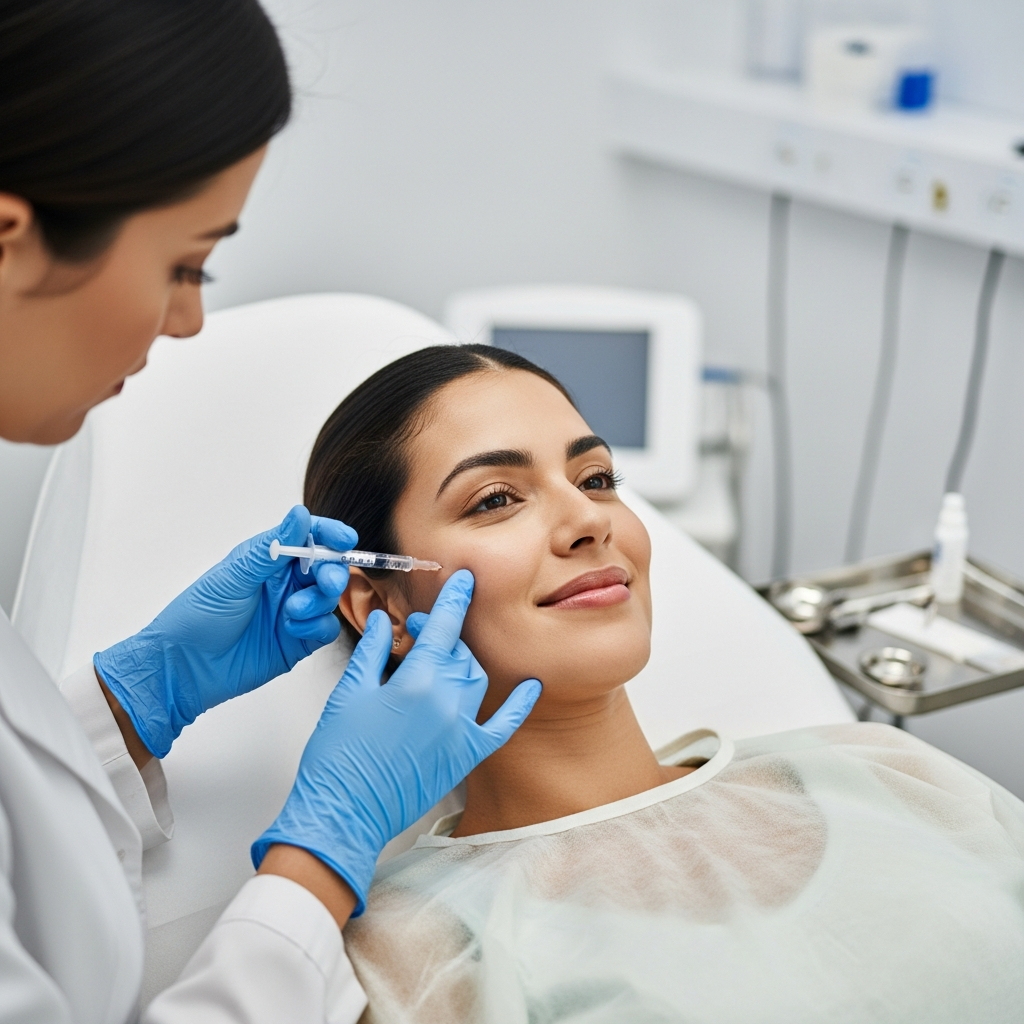
You catch yourself doing it again – that thing where you angle your face just right in the mirror, trying to find the lighting that makes those acne scars disappear. Maybe you’ve perfected the art of strategic concealer placement, or you’ve gotten really good at that slightly-turned-away pose in photos. Sound familiar?
If you’re nodding along right now, you’re definitely not alone. Here in Frisco, I’ve talked to countless people who’ve mastered these little workarounds – the subtle head tilts, the careful makeup techniques, the “oh, I don’t really like pictures” deflections. And while there’s absolutely nothing wrong with any of these coping strategies (we all have them), what if… what if there was another option?
That’s where SkinPen microneedling enters the conversation.
Now, before you roll your eyes thinking “here comes another miracle treatment” – I get it. You’ve probably been down this road before. Maybe you’ve tried chemical peels that promised the world but left you looking like a tomato for weeks. Or perhaps you’ve invested in expensive serums that seemed to do absolutely nothing except lighten your wallet. The skincare industry has a way of making big promises, doesn’t it?
But here’s the thing about microneedling – and specifically SkinPen, which is the only FDA-cleared microneedling device – it’s not trying to be magical. It’s actually refreshingly straightforward in how it works. Think of it like this: you know how when you get a small cut, your skin naturally kicks into repair mode and often heals looking better than before? Microneedling is basically convincing your skin to do that same healing process, but in a controlled, strategic way.
The concept isn’t new – people have been using needles for skin improvement for decades. But what *is* relatively new is having a precise, medical-grade device that can create thousands of tiny, controlled micro-injuries in your skin. Sounds intense, right? It’s actually not as dramatic as it sounds… though I’ll admit, the first time someone explained it to me, I definitely winced a little.
What makes this particularly interesting for acne scars is that those indentations and textural changes aren’t just surface-level issues. They’re actually structural changes in your skin – places where the normal collagen network got disrupted during the healing process after breakouts. No amount of topical cream, no matter how expensive or well-formulated, can really address that underlying structural issue. It’s like trying to fill in a pothole with paint – you might cover it up temporarily, but the underlying problem is still there.
This is where microneedling gets clever. By creating those controlled micro-injuries, it triggers your skin’s natural wound-healing response, which includes ramping up collagen production. And collagen? That’s the stuff that gives your skin its structure, its bounce-back quality, its smooth texture. When your skin produces new collagen in response to microneedling, it can actually help fill in and smooth out those acne scars from the inside out.
Of course, living here in Frisco, you’ve got options. Lots of them, actually. Drive down Preston Road or Legacy Drive and you’ll see med spas and dermatology offices practically everywhere. Some offer microneedling with various devices, others push different treatments entirely. It can be honestly overwhelming to figure out what’s worth your time and money.
That’s exactly why I wanted to dig into this topic – specifically looking at SkinPen and how it might (or might not) help with acne scars. We’ll talk about what the actual research says, what you can realistically expect, how it compares to other treatments you might be considering, and – because this is Texas and we’re practical people – what it’s going to cost you.
I’ll also share what I’ve learned from talking to both practitioners and patients here in the area. Because let’s be honest, what looks great on a website doesn’t always translate to real-world results, and what works wonderfully for your friend might not be the right fit for your skin.
Ready to figure out if SkinPen microneedling might be worth exploring for your acne scars? Let’s dig in…
What Exactly Is Microneedling, Anyway?
Picture your skin like a well-loved leather jacket that’s seen better days. Those acne scars? They’re basically little dents and divots where the leather got damaged and didn’t heal quite right. Now, microneedling – and specifically SkinPen – works kind of like a master cobbler who knows that sometimes you need to rough up the leather a bit to make it smooth again.
I know, I know… it sounds completely backwards, right? We’re literally poking tiny holes in your face to make it look better. When I first learned about this, my initial reaction was “Wait, we’re creating MORE holes to fix the holes we already have?” But here’s the thing – your skin is incredibly smart, just sometimes a little lazy.
The SkinPen device uses these ultra-fine needles (we’re talking hair-thin here) to create what we call “controlled micro-injuries.” Think of it as sending your skin a very polite wake-up call. These tiny punctures trigger your body’s natural healing response, which has been sitting around like a couch potato since your teenage acne days ended.
Your Skin’s Repair Crew Gets Back to Work
When those micro-needles penetrate your skin – typically about 0.5 to 2.5 millimeters deep, depending on what we’re treating – your body basically sounds the alarm: “All hands on deck! We’ve got some fixing to do!”
This is where it gets really cool. Your skin starts pumping out growth factors and begins producing fresh collagen and elastin. You know how when you cut yourself, your body rushes to heal it? Same principle here, except we’re being very strategic about where and how deep we’re “injuring” the skin.
The beauty is in the precision. Unlike those old-school dermarollers you might’ve seen (or heaven forbid, tried at home), SkinPen creates uniform, vertical channels. No dragging, no tearing – just clean, precise entry and exit points that heal quickly and efficiently.
Why Acne Scars Are So Stubborn in the First Place
Here’s something that might surprise you – not all acne scars are created equal. Actually, that’s putting it mildly. There are different types, and they all formed through different processes, which means they respond differently to treatment.
You’ve got your ice pick scars (narrow, deep little pits), boxcar scars (wider with defined edges – think of tiny square craters), and rolling scars (which create that wavy, uneven texture). Each one represents a place where your skin’s normal healing process went a bit haywire during your acne days.
When you had active acne, especially the deeper, cystic kind, your skin was basically in a constant state of inflammation and damage. Sometimes it overproduced collagen in response (hello, raised scars), and sometimes it underproduced collagen, leaving you with those frustrating indentations.
The thing is, once your acne cleared up, your skin pretty much called it a day. “Welp, crisis over – time to maintain status quo.” Those scar areas? They’re stuck in their current state because there’s no ongoing stimulus telling your skin to keep remodeling and improving.
The Science Behind the Magic (Don’t Worry, I’ll Keep It Simple)
What makes microneedling particularly effective for acne scars is something called “collagen induction therapy.” Fancy term, simple concept – we’re basically convincing your skin to start that remodeling process again.
When the SkinPen creates those micro-channels, several things happen almost immediately. Blood flow increases to the area (bringing oxygen and nutrients), stem cells get activated, and your fibroblasts – the cells responsible for making collagen – wake up from their slumber and get back to work.
Over the following weeks and months, new collagen forms in a more organized, smoother pattern. It’s like your skin is getting a chance to renovate those old scar areas with better building materials and a more experienced construction crew.
The process isn’t instant – we’re talking about real biological changes here, not just surface-level improvements. Most people start seeing initial changes around 4-6 weeks after treatment, with continued improvement for months afterward.
And here’s what I find fascinating – your skin actually continues improving long after the treatment is done. It’s like we’ve given it permission to keep working on the project, even after we’ve packed up our tools.
What to Expect During Your First Session
Here’s the truth nobody tells you: your first SkinPen treatment might feel like getting scratched by a particularly determined cat. But here’s what I always tell my patients – it’s not nearly as bad as you’re imagining right now.
The whole process takes about 30-45 minutes, and honestly? Most of that time is spent prepping your skin. We’ll clean your face thoroughly (think of it as the pre-game ritual), then apply a numbing cream. This is where patience pays off – let that numbing cream do its job for at least 20 minutes. I’ve seen too many people rush this step and regret it later.
During the actual microneedling, you’ll hear a buzzing sound… kind of like an electric toothbrush having an existential crisis. The sensation varies depending on the area – your forehead might feel like light sandpaper, while those deeper acne scars around your jawline? Yeah, those will definitely get your attention. But remember, discomfort means it’s working.
Preparing Your Skin for Maximum Results
This is where most people mess up, and it’s such a shame because proper prep can make or break your results. About a week before your appointment, stop using anything with retinoids, glycolic acid, or salicylic acid. I know, I know – these are probably your go-to acne fighters, but they’ll make your skin too sensitive.
Think of your skin like a canvas. You wouldn’t paint on a dirty, rough surface, right? Same principle here. Use a gentle cleanser and moisturizer for those pre-treatment days. Actually, that reminds me – hydration is huge. Start drinking more water now, not the day before. Your skin needs to be plump and healthy to respond well to treatment.
Oh, and please – and I cannot stress this enough – avoid the sun like it owes you money. UV exposure before treatment is basically sabotaging yourself. If you absolutely must be outside, slather on that SPF 30+ like your results depend on it. Because they do.
Post-Treatment Care That Actually Works
The first 24 hours after SkinPen are crucial, and this is where I see people make the biggest mistakes. Your skin is going to look red – think mild sunburn red, not lobster red. This is completely normal and actually a good sign that your skin is responding to treatment.
Here’s your post-care playbook: Keep it simple. Cleanse with lukewarm water (hot water is your enemy right now) and pat – don’t rub – your face dry. Apply the recovery serum we’ll give you religiously. It’s usually hyaluronic acid-based, which sounds fancy but really just means it’s going to help your skin hold onto moisture while it heals.
For the first three days, your skincare routine should be boring. Cleanser, recovery serum, gentle moisturizer, SPF during the day. That’s it. Don’t get creative with new products or treatments. Your skin is busy regenerating itself – let it focus on that job.
The peeling usually starts around day three or four. This is where willpower comes in… do NOT pick at it. I repeat: hands off. I know it’s tempting when you see those little flakes, but picking can actually create new scars. Trust the process.
Realistic Timeline for Seeing Changes
Let me set your expectations properly because unrealistic timelines lead to disappointment, and disappointed patients don’t stick with treatment plans.
You’re not going to wake up after one session with perfect skin. Sorry, but that’s just not how healing works. What you *will* notice after the first treatment is improved skin texture – things feel smoother when you run your fingers across your face.
The real magic happens around the 4-6 week mark after your first session. This is when new collagen production really kicks into high gear. Those superficial acne scars? They’ll start looking less pronounced. Deeper scars take longer – we’re talking 3-6 months with multiple sessions.
Most people need 3-6 treatments spaced about 4-6 weeks apart. I know that sounds like a lot, but think about it this way: you didn’t develop those acne scars overnight, and they’re not going away overnight either. Patience isn’t just a virtue here – it’s a requirement.
The beauty of SkinPen is that improvements are cumulative. Each session builds on the last one, and the results keep improving even after you’re done with your treatment series. It’s like compound interest, but for your face.
When Your Skin Looks Worse Before It Gets Better
Here’s what nobody tells you about microneedling – and honestly, I wish they did. Those first few days? You’re going to look like you wrestled with a cactus and lost. Your face will be red, possibly swollen, and you might catch yourself thinking, “Did I just make my scars worse?”
This is completely normal, but it doesn’t make staring at yourself in the mirror any easier. The redness can last 2-4 days, and some people experience mild swelling that makes their acne scars actually look more pronounced temporarily. It’s like your skin is throwing a little tantrum before it gets down to the business of healing.
The solution here isn’t to panic or reach for concealer (though I get the temptation). Give your skin space to breathe. Use the gentle products your provider recommended – usually a mild cleanser and a healing serum. And maybe… avoid that magnifying mirror for a few days. Trust me on this one.
The Waiting Game Is Brutal
You know what’s harder than the treatment itself? Waiting to see results. We live in an instant-everything world, but your skin didn’t get the memo. Real collagen remodeling takes time – we’re talking months, not days.
Most people start noticing subtle improvements around the 4-6 week mark, but the really good stuff? That happens at 3-6 months post-treatment. I’ve had patients call me at the two-week mark, worried because their scars look exactly the same. Of course they do – your skin is just getting started.
The trick is taking progress photos (I know, I know – nobody wants to document their skin struggles). But snap a pic before your first treatment, then monthly after that. The gradual changes are hard to notice day-to-day, but those comparison photos? They’ll keep you motivated when you’re wondering if this whole thing is working.
Your Skin Might Get Picky About Products
Here’s something that catches people off guard – after microneedling, your skin might suddenly reject products it used to love. That vitamin C serum you’ve been using for years? It might sting now. Your trusty retinol? Could cause irritation where there wasn’t any before.
This happens because microneedling essentially resets your skin’s sensitivity levels. Those tiny channels we created aren’t just for collagen production – they also make your skin more reactive to certain ingredients, at least temporarily.
The smart move is to strip your routine down to basics for the first week or two after each treatment. We’re talking cleanser, moisturizer, and sunscreen. Period. Then slowly reintroduce your other products one at a time. Your skin will tell you what it’s ready for – listen to it.
The Multiple Treatment Reality Check
Let’s be real about this – one microneedling session isn’t going to transform your acne scars. Most people need 3-6 treatments spaced 4-6 weeks apart. That’s a commitment of several months and… well, it’s not cheap.
I’ve seen people get discouraged after their second treatment because they’re “not there yet.” But here’s the thing – acne scars are stubborn. They took time to form, and they’re going to take time to improve. Each treatment builds on the last one, gradually breaking down scar tissue and encouraging new, healthy skin formation.
Think of it like going to the gym. You wouldn’t expect to see major muscle changes after two workouts, right? Same principle applies here.
Managing Expectations vs. Social Media
Instagram and TikTok are not your friends during this process. Those dramatic before-and-after photos you see? They’re often heavily filtered, perfectly lit, or showing the absolute best-case scenarios. Real results are more subtle – but they’re also real.
Your scars might improve by 30-50% over the course of treatment. For some people with shallow scars, results can be even better. But if you’re expecting complete scar elimination… well, that’s not usually how it works.
The good news? Even a 30% improvement can make a significant difference in how your skin looks and feels. Sometimes it’s not about perfection – it’s about progress.
When to Call Your Provider
Don’t suffer in silence if something feels off. Excessive pain, signs of infection, or reactions that seem way beyond normal healing should prompt a phone call. Most providers would rather hear from you with a “probably nothing” question than deal with a complication that could have been caught early.
What to Expect After Your First Session
Let’s be honest here – you’re not walking out looking like a completely different person after one microneedling treatment. I know, I know… we all want that instant gratification, but your skin doesn’t work that way.
Right after your session, you’ll look like you have a mild sunburn. That’s totally normal – actually, it’s a good sign that the treatment worked. Your face might feel tight, warm, and a bit sensitive. Think of it like your skin just had a really intense workout. Some people get a little swelling too, especially around the eyes.
The good news? This usually settles down within 24-48 hours. By day three, you might notice your skin starting to feel smoother – that’s the new collagen production beginning to kick in.
The Real Timeline (Because Nobody Likes False Promises)
Here’s where I need to be your reality check… Acne scars didn’t form overnight, and they’re not disappearing overnight either. Most people start seeing subtle improvements around the 4-6 week mark. And I mean subtle – like, you might catch yourself in the mirror thinking “hmm, something looks different” but not quite being able to put your finger on it.
The more dramatic changes? Those typically show up after your second or third treatment. We’re talking about seeing actual texture improvements, scars looking less deep, maybe that bumpy feeling when you run your fingers across your skin starting to smooth out.
For moderate acne scarring, most people need 3-6 sessions spaced about 4-6 weeks apart. Deeper, more extensive scarring might require more treatments. I’ve seen some clients who were thrilled after three sessions, while others needed eight to get where they wanted to be. Your skin is unique – kind of like a fingerprint – so your timeline will be too.
Between Sessions: Your Skin’s Homework Phase
This is where the magic really happens, but it’s also where patience becomes your best friend. Between treatments, your skin is literally rebuilding itself from the inside out. New collagen is forming, old damaged tissue is being replaced… it’s like a construction project happening at a cellular level.
During this time, you might notice your skin going through phases. Some days it looks amazing, other days maybe not so much. That’s completely normal. Your skin is figuring things out, reorganizing itself. Don’t panic if you have a few “meh” skin days – it’s all part of the process.
Stick to gentle skincare during this phase. Think boring, reliable products rather than anything too exciting or active. Your skin is already working hard enough.
When to Consider Additional Treatments
Sometimes microneedling works beautifully on its own, but other times it plays better with friends. If your acne scars are particularly stubborn – especially those deep, ice-pick type scars – your provider might suggest combining treatments.
Maybe we add some radiofrequency to the mix, or discuss chemical peels between sessions. Some people benefit from a combination approach where we alternate microneedling with other treatments. It’s not that microneedling isn’t working… it’s just that some scars need a multi-pronged attack.
The Maintenance Phase (Yes, There’s Homework)
Once you’ve completed your initial series, you’re not necessarily done forever. Most people benefit from maintenance sessions every 6-12 months. Think of it like getting your car serviced – regular upkeep keeps everything running smoothly.
Your skin will continue producing new collagen for months after your last treatment, so the improvements you see at month three might not be the final result. Actually, some of my favorite before-and-after photos are taken six months after the final session.
Setting Realistic Expectations
Look, I’m going to level with you – microneedling can create significant improvements in acne scars, but it’s not going to give you airbrushed magazine skin. What it can do is make your scars less noticeable, improve overall skin texture, and boost your confidence when you look in the mirror.
If your expectations are realistic and you’re committed to the process (including proper aftercare and multiple sessions), most people are really pleased with their results. But if you’re expecting perfection after one treatment… well, we might need to have a different conversation about what’s actually possible.
The best candidates are those who understand it’s a process and are willing to trust that process, even when progress feels slow.
Your Skin’s Story Doesn’t End Here
Look, I get it. You’ve probably tried what feels like everything for those acne scars – creams that promised miracles, treatments that didn’t deliver, maybe even some DIY disasters you’d rather forget. It’s exhausting, isn’t it? That constant cycle of hope and disappointment.
But here’s what I want you to know… your skin is incredibly resilient. Those scars that feel so permanent? They’re actually your skin’s way of showing just how hard it fought to heal itself. And with microneedling – specifically something like SkinPen – we’re essentially giving your skin the tools it needs to finish that healing process properly.
The beauty of microneedling isn’t that it’s some magical overnight fix (honestly, be skeptical of anything that claims to be). It’s that it works *with* your body’s natural healing mechanisms. Those tiny micro-injuries trigger your skin to produce fresh collagen and elastin – basically rebuilding itself from the inside out. Kind of like renovating a house room by room rather than just slapping new paint over the cracks.
What really gets me excited about this treatment – and why I think it’s gained such traction here in Frisco and beyond – is how it addresses different types of acne scarring. Whether you’re dealing with those frustrating ice pick scars, broader boxcar scars, or rolling scars that create that uneven texture… microneedling doesn’t discriminate. It gets to work on all of them.
Now, I’m not going to sugarcoat this – patience is key. You might start seeing improvements after the first session, but the real magic happens over several months as your skin rebuilds itself. It’s like watching a time-lapse video of a garden growing… slow at first, then suddenly you realize how dramatically things have changed.
And here’s something that might surprise you: the process can actually be kind of empowering. Instead of covering up or hiding from your scars, you’re actively doing something about them. There’s something powerful about taking that step, about investing in yourself and your confidence.
Ready to Explore Your Options?
If you’re sitting there wondering whether microneedling could work for your specific skin concerns, you don’t have to figure it out alone. Every person’s skin tells a different story, and what works beautifully for your friend might not be the perfect fit for you – and that’s completely normal.
The best thing you can do right now? Have a conversation with someone who can actually *see* your skin and understand your goals. We’re not here to pressure you into anything – honestly, we’d rather you feel completely comfortable and informed before making any decisions.
Whether you’re curious about SkinPen specifically, wondering about combination treatments, or just want to understand all your options for addressing acne scarring, we’re here to listen and help you navigate this. Because at the end of the day, this isn’t just about treating scars – it’s about helping you feel confident and comfortable in your own skin again.
Ready to take that first step? Give us a call or schedule a consultation. Let’s talk about what’s possible for your skin.