
Medical Spa Services in Allen Backed by Dermatology Expertise
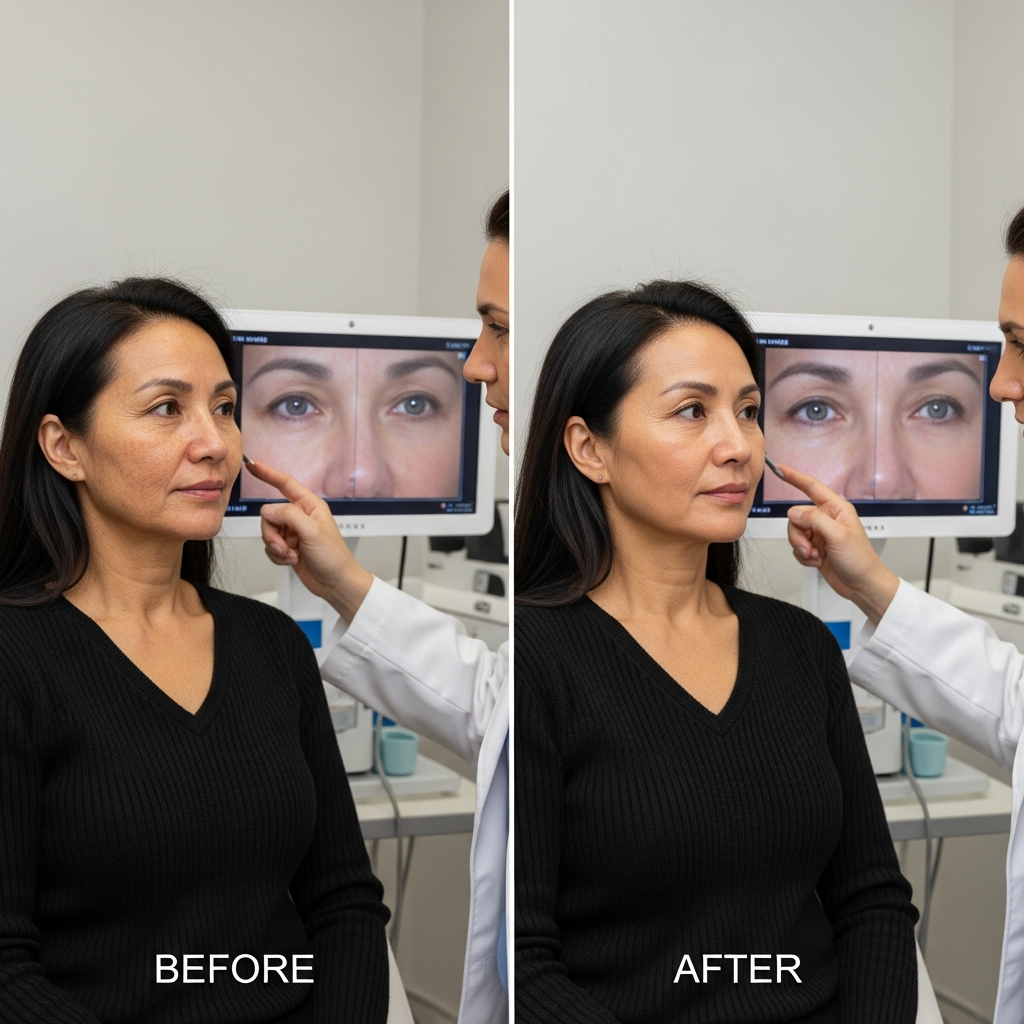
You know that feeling when you catch your reflection in a department store mirror under those harsh fluorescent lights? That little jolt of “wait, is that really me?” followed by the immediate mental scramble to explain away what you’re seeing. Maybe it’s the lighting. Maybe you need more sleep. Maybe you should’ve worn that other shirt…
But here’s the thing – sometimes those unflattering moments aren’t just about bad lighting or a rough week. Sometimes they’re your skin (and your confidence) trying to tell you something important.
I was talking to my friend Sarah the other day, and she mentioned how she’d been doing everything “right” for months. You know the drill – drinking more water, getting decent sleep when the kids allowed it, using that expensive skincare routine her sister swore by. But every morning in the bathroom mirror? Same story. Dark circles that concealer couldn’t quite hide. Fine lines that seemed to appear overnight. Skin that just looked… tired. Older than she felt inside.
“I keep thinking I should do something about it,” she said, stirring her coffee a little too aggressively. “But I don’t even know where to start. And honestly? I’m scared of looking like I had ‘work done.'”
Sound familiar?
Here’s what Sarah didn’t know – and what a lot of us don’t realize – is that the skincare world has completely transformed in the last few years. We’re not talking about the extreme makeover culture of the early 2000s anymore. Today’s medical spa treatments? They’re more like… fine-tuning. Think of it as the difference between repainting your entire house and just touching up the trim to make everything look fresh again.
But here’s where it gets tricky (and where Sarah’s hesitation makes total sense): not all medical spas are created equal. Some are basically fancy day spas with a few extra machines. Others are essentially plastic surgery offices trying to seem less intimidating. And then there are the ones that hit that sweet spot – places that combine the relaxing, pampering atmosphere you want with the serious medical expertise you need.
That sweet spot? It’s especially important when we’re talking about your face. Because while a poorly done facial might leave you with temporary redness, a poorly administered laser treatment or injectable could leave you with… well, let’s just say regrets that last a lot longer than a few days.
This is where dermatology-backed medical spas come into play, and why they’re becoming the gold standard for people who want real results without the risks. When a medical spa has actual dermatological expertise behind it – we’re talking board-certified dermatologists overseeing treatments, not just someone who took a weekend certification course – everything changes.
You get access to treatments that actually work (because they’re based on real science, not just marketing claims). You get safety protocols that protect your skin instead of potentially damaging it. And perhaps most importantly? You get practitioners who understand that your face isn’t a one-size-fits-all canvas. What works for your coworker’s rosacea might be completely wrong for your melasma.
If you’re in the Allen area and you’ve been wondering about medical spa treatments – whether you’re dealing with specific skin concerns or just want to maintain what you’ve got – you’re actually in a pretty great spot. The medical spa scene here has evolved to include some truly impressive options, especially when it comes to dermatology-backed practices.
Over the next few minutes, we’re going to walk through what makes dermatology expertise so crucial in medical spa settings (hint: it’s not just about having fancier equipment). We’ll look at the specific treatments that benefit most from this medical oversight, and yes – we’ll talk about what you can realistically expect in terms of results, downtime, and costs.
Because here’s what I’ve learned: the best medical spa treatments don’t make you look like a different person. They make you look like the best version of yourself. And sometimes? That’s exactly what your reflection in those department store mirrors has been asking for all along.
What Makes a Medical Spa Actually “Medical”
Here’s the thing about medical spas – they’re not just regular day spas with fancier equipment (though the equipment is definitely fancier). Think of it like the difference between a home kitchen and a professional restaurant kitchen. Sure, you can make a nice meal at home, but when you need precision, expertise, and access to specialized tools… well, that’s when you call in the professionals.
A true medical spa operates under the supervision of licensed physicians – often dermatologists who’ve spent years studying skin science. This isn’t just a legal requirement (though it is that too). It means every treatment, every recommendation, every “let’s try this approach” comes from someone who understands your skin at a cellular level.
The Dermatology Connection – Why It Actually Matters
You might wonder why having a dermatologist involved makes such a big difference. After all, aren’t we just talking about facials and laser treatments? Well… not exactly.
Dermatologists don’t just treat acne and moles (though they’re excellent at that). They’re essentially skin engineers – they understand how collagen production works, why certain ingredients penetrate better than others, and how your skin will likely respond to different treatments based on your age, skin type, and medical history.
It’s like having an architect design your house versus just hiring someone who’s “pretty good with tools.” Both might get the job done, but one brings a deeper understanding of structure, foundation, and long-term stability.
Beyond Surface Level – The Science Behind Common Treatments
Let’s talk about what’s actually happening during some of these treatments, because – honestly – some of it seems almost too good to be true.
Chemical peels, for instance, aren’t just fancy exfoliation. They’re controlled injuries to your skin (I know, that sounds scary, but stick with me). By carefully removing damaged layers, we’re essentially telling your skin, “Hey, time to make some fresh, healthy cells.” Your body’s natural healing response kicks in, producing new collagen and revealing clearer, smoother skin underneath.
Laser treatments work on a similar principle but with much more precision. Different lasers target specific concerns – some focus on pigmentation, others on blood vessels, some on stimulating collagen production. It’s like having a toolbox where each tool is designed for one very specific job.
The “Why Now?” Factor
Here’s something that might surprise you – your skin is constantly changing, and not just because of aging. Hormones, stress, diet, sleep patterns, even the weather… they’re all having conversations with your skin cells. What worked for you five years ago might not be the best approach today.
This is where medical spa treatments shine. They’re not one-size-fits-all solutions. A good medical spa will assess your skin regularly and adjust treatments accordingly. It’s like having a personal trainer for your face – someone who knows your starting point, understands your goals, and can modify the approach as needed.
Safety First (But Make It Effective)
I’ll be honest – the cosmetic treatment world can feel a bit like the Wild West sometimes. You’ve got everyone from trained medical professionals to… well, people who took a weekend course offering similar-sounding services.
Medical spas operating under dermatology supervision have to follow strict safety protocols. This means proper sterilization, appropriate patient screening, and – perhaps most importantly – knowing when NOT to perform a treatment. Sometimes the best medical advice is “let’s wait” or “this isn’t right for you.”
The Realistic Timeline Talk
One thing that often confuses people (and I get it) is why medical spa treatments take time to show results. We live in an instant-gratification world, but your skin operates on its own timeline.
Most treatments work by encouraging your body’s natural processes – and those don’t happen overnight. Collagen production takes weeks to months. Cell turnover follows specific cycles. It’s like planting a garden… you can provide the best conditions, but you still have to wait for things to grow.
That said, some treatments do provide immediate improvements alongside the longer-term benefits. It’s not always an either/or situation – sometimes you get a little instant gratification while the real magic happens behind the scenes.
What to Ask During Your Consultation (The Questions Most People Skip)
Here’s the thing – most people walk into a med spa consultation and just… nod along. They’re so focused on the end result that they forget to dig into the details that actually matter. But you’re smarter than that, right?
First off, ask about their dermatologist’s involvement. Not just “Do you have one?” but “When did Dr. [Name] last review my treatment plan?” You want someone who’s actively involved, not just lending their license to hang on the wall. A good practice will tell you exactly how often their dermatologist reviews cases, trains staff, and updates protocols.
And here’s a secret most places won’t volunteer: ask to see before-and-after photos of patients with your specific skin type and concerns. Not the glossy marketing shots, but real patient results. If they hesitate or only show you “perfect” cases… well, that tells you something too.
Timing Your Treatments Like a Pro
The calendar matters more than you think. That chemical peel you’re considering? Don’t book it two weeks before your daughter’s wedding. Most treatments need recovery time, and even “no downtime” procedures can leave you a little pink or tender.
Here’s what I’ve learned works: schedule your initial consultation at least 6-8 weeks before any big event. This gives you time for the actual treatment, any touch-ups, and – let’s be honest – time to panic and then calm down when you see the initial results.
For laser treatments specifically, avoid peak sun season if possible. Your freshly treated skin will be more sensitive, and you’ll spend the whole summer hiding under umbrellas anyway. Fall and winter are your friends here.
Red Flags That Should Send You Running
Look, I hate to be the bearer of bad news, but some places are just… not great. And your face is too important to gamble with.
If they’re pushing you to book multiple expensive treatments on the spot – especially with “today only” pricing – take a breath and step back. Legitimate practices want you to think it through. They’ll even encourage you to sleep on big decisions.
Another big red flag? Staff who can’t explain what they’re doing or why. The person wielding that laser should be able to tell you exactly how it works, what to expect, and what could go wrong. If you’re getting vague answers or lots of “don’t worry about the technical stuff”… worry about it.
And here’s one that might surprise you: be cautious of places that guarantee dramatic results. Good practitioners know that everyone’s skin responds differently, and they’ll be honest about realistic expectations.
Getting the Most Bang for Your Buck
Med spa services aren’t cheap – let’s just put that out there. But there are ways to be smart about your spending without compromising on quality.
First, many practices offer package deals for multiple sessions. If you know you’ll need several treatments (hello, laser hair removal), ask about bundling. Just make sure you’re actually committed to the full series before you pay upfront.
Also, timing your appointments strategically can save you money. Many places run promotions during slower seasons – think January and February when everyone’s recovering from holiday spending. Your patience could save you hundreds.
Building Your Treatment Timeline
This is where it gets strategic. You can’t just randomly book treatments whenever you feel like it – well, you can, but you won’t get optimal results.
If you’re planning multiple services (say, Botox and a facial), space them appropriately. Some treatments complement each other beautifully when done in sequence, while others… don’t play well together.
A good rule of thumb: start with the gentlest treatments and work your way up. Get your skin healthy and stable with good facials and basic care before jumping into more intensive procedures. Your dermatology-backed team should map this out with you, but it helps to understand the logic behind the sequencing.
Maintaining Your Results (The Part Nobody Talks About)
Here’s what they don’t always mention upfront: most treatments require maintenance. That gorgeous glow from your chemical peel? It’s not permanent. Those smooth Botox results? They’re temporary by design.
Before you commit to any treatment, ask about the maintenance schedule and costs. Factor that into your budget from the start, because there’s nothing worse than getting amazing results and then… letting them fade because you didn’t plan for the upkeep.
And honestly? Sometimes the best maintenance is the simplest – good skincare, sun protection, and healthy habits. Your med spa team should be emphasizing this, not just booking your next appointment.
The Reality Check: What Nobody Warns You About
Here’s the thing about medical spa treatments – everyone talks about the amazing results, but nobody really prepares you for the stuff that actually trips people up. And trust me, there’s plenty that can catch you off guard.
Take scheduling, for instance. You’d think booking an appointment would be straightforward, right? But when you’re dealing with dermatology-backed services, you’re not just popping in for a quick facial. These providers often book weeks – sometimes months – in advance. Plus, certain treatments require multiple sessions spaced precisely apart. Miss one appointment and suddenly your entire treatment timeline shifts. It’s like dominoes, but more expensive.
The solution? Plan ahead (I know, revolutionary advice). But seriously – book your follow-up appointments before you leave each session. And if you’re considering something like a laser series that needs to happen over several months, look at your calendar realistically. Got a beach vacation coming up? A wedding where you’ll be photographed constantly? Work backwards from those dates.
When Your Skin Throws a Tantrum
Nobody wants to hear this, but sometimes your skin gets worse before it gets better. Chemical peels can leave you looking like a molting snake for a few days. Laser treatments might cause temporary hyperpigmentation. Even something as gentle as microneedling can leave you red and slightly swollen.
I’ve seen people panic and think they’ve made a terrible mistake when they’re actually right on track. Your dermatology provider should walk you through exactly what to expect – and I mean the ugly details, not just the glossy brochure version. If they’re giving you vague reassurances about “minimal downtime,” push for specifics.
The key is building recovery time into your life. Don’t schedule that big presentation for the day after your IPL treatment. And for the love of all that’s holy, don’t book your first chemical peel the week before your high school reunion.
The Price Shock That Hits Later
Medical spa services aren’t cheap – you probably knew that going in. But what catches people off guard is the ongoing maintenance and additional products. Your provider might recommend a specific skincare routine to maintain results, and pharmaceutical-grade products aren’t exactly drugstore prices.
Then there’s the reality that most treatments need touch-ups. That laser hair removal package? You’ll probably want a session or two annually to catch any stragglers. Those dermal fillers? They don’t last forever.
Here’s where having dermatology expertise actually saves you money in the long run. A medical professional can help you prioritize treatments based on your actual needs, not just what’s trending on social media. They’ll also know which at-home products are worth the investment and which are just expensive packaging.
The Consultation Confusion
Medical consultations feel different than regular spa visits, and that throws some people off. Your provider might ask detailed questions about your medical history, current medications, and lifestyle habits. They’re not being nosy – treatments can interact with certain medications or health conditions in ways you wouldn’t expect.
But here’s where it gets tricky: some people either overshare irrelevant details or, more commonly, forget to mention important stuff. That retinoid you use occasionally? Mention it. The blood thinner your cardiologist prescribed? Definitely relevant. Had Botox somewhere else six months ago? They need to know.
Come prepared with a list. Your phone’s notes app is perfect for this – medications, previous treatments, skin concerns, even questions you want to ask. Because I guarantee you’ll forget half of what you wanted to discuss once you’re actually there.
Managing Expectations vs. Instagram Reality
This one’s huge. Social media makes every treatment look like it delivers instant, dramatic results with zero downtime. The reality? Most medical-grade treatments are subtle and gradual. You might not see significant changes for weeks or even months.
Dermatology-backed providers excel at setting realistic timelines, but you have to listen to them. When they say you’ll need three to six sessions for optimal results, believe them. When they explain that collagen rebuilding takes time… well, it takes time.
Take progress photos in consistent lighting. Your mirror at home might not show the gradual improvements that are actually happening. And remember – if results were instant and dramatic, everyone would be walking around looking like filtered versions of themselves. The subtle, natural-looking changes are usually the goal.
What to Expect During Your First Visit
Walking into a medical spa for the first time can feel a bit like… well, you’re not quite sure what to expect, right? It’s not a traditional spa, but it’s definitely not a doctor’s office either. Here’s the thing – your first appointment will likely be longer than you think, and that’s actually good news.
Most initial consultations run about 45 minutes to an hour. The dermatologist or trained provider will examine your skin under proper lighting (which can be a bit jarring if you’re used to your bathroom mirror), ask about your medical history, current skincare routine, and what’s been bugging you about your skin. They might take photos for your file – don’t worry, these aren’t going anywhere except your confidential medical records.
You’ll probably leave with more questions answered than you came with, but also… maybe a few new ones you hadn’t thought of. That’s totally normal. Sometimes we don’t realize what’s possible until someone points it out.
Setting Realistic Timeline Expectations
Here’s where I need to be your friendly reality check – because the internet is full of “amazing transformations” that don’t tell the whole story.
For acne treatments: You’re looking at 6-12 weeks before seeing significant improvement, and that’s with consistent treatment. Your skin might actually look a bit worse during the first few weeks as everything comes to the surface. I know, I know… patience isn’t fun when you want results yesterday.
Chemical peels: The glow you’re after? You’ll see some immediate smoothness, but the real magic happens over 4-6 treatments spaced about a month apart. Think of it like renovating a house – you don’t just slap new paint over cracked walls.
Laser treatments: Whether it’s hair removal, pigmentation, or texture issues, you’re committing to a series. Hair removal typically needs 6-8 sessions (because hair grows in cycles – who knew?), while pigmentation issues might improve after 3-4 treatments but could take up to six months to see final results.
Injectable treatments: Botox kicks in around day 3-5 and peaks at two weeks. Dermal fillers? You’ll see immediate volume, but swelling might mask the final result for up to two weeks. Don’t panic if you look a little puffy initially.
Your Skin’s Adjustment Period
Let’s talk about what’s normal when your skin is adjusting to new treatments – because Dr. Google will have you convinced every little change is cause for alarm.
Some redness after treatments? Expected. A bit of flaking or peeling after chemical peels? That’s literally the point. Tiny bumps after laser hair removal? Your hair follicles are just having a moment.
But here’s when to actually call: severe swelling that worsens after 48 hours, signs of infection (increasing warmth, pus, red streaking), or anything that just doesn’t feel right. Trust your gut – you know your skin better than anyone.
Building Your Long-Term Plan
The providers at a quality medical spa aren’t trying to sell you everything at once (red flag if they are). Instead, they’re thinking about your skin like a long-term investment portfolio – boring analogy, but stick with me.
Maybe you start with addressing your main concern, see how your skin responds, then layer in additional treatments over time. It’s not uncommon to begin with a series of facials to get your skin healthy, then add chemical peels, and maybe consider laser treatments down the line.
Your provider should give you a treatment plan that feels manageable – both for your schedule and your budget. If they’re pushing you to commit to thousands of dollars upfront… that’s worth questioning.
Maintenance Mode Reality
Here’s something nobody tells you upfront: most cosmetic treatments require maintenance. Botox lasts 3-4 months. Chemical peels work best when done regularly. Even after you’ve achieved your goals, you’ll probably want to come back every few months to maintain results.
Think of it like going to the gym – you don’t get fit and then never exercise again, right? Your skin needs ongoing attention too. The good news? Maintenance appointments are usually quicker and less intensive than your initial treatment series.
The providers should be upfront about this ongoing commitment from the start. If they’re not… well, that’s another conversation worth having.
Questions You Should Feel Comfortable Asking
Don’t leave without understanding the “what ifs.” What if you don’t see results? What’s their policy on touch-ups? How do they handle complications? A reputable practice will have clear answers and won’t make you feel silly for asking.
You know, it’s funny how we can spend years looking in the mirror and accepting things we don’t really love about ourselves. Maybe it’s those stubborn lines that seem to deepen every month, or skin that just doesn’t bounce back like it used to. We tell ourselves it’s vanity to want something different – but honestly? Wanting to feel confident in your own skin isn’t shallow at all.
Finding Your People in Allen
What makes Allen’s medical spa scene so special isn’t just the fancy equipment or the latest treatments (though those are pretty great). It’s having actual dermatologists – the people who went to medical school specifically to understand your skin – backing every single service. That’s not something you’ll find at your typical day spa, and the difference is… well, it’s everything.
Think about it like this: you wouldn’t trust your car’s engine to someone who only knows how to wash cars, right? Your skin deserves that same level of expertise. When a board-certified dermatologist is overseeing your treatment plan, you’re not just getting pampered – you’re getting medical-grade care that’s actually designed to create lasting change.
The Beautiful Balance
The best part about Allen’s approach to medical spa services? They’ve figured out how to marry serious medical expertise with that relaxing, rejuvenating experience we all crave. You’re not lying on a cold exam table under fluorescent lights. You’re in a space that feels calm and welcoming, working with professionals who understand that looking better and feeling better go hand in hand.
And let’s be real – some of these treatments can feel intimidating if you’ve never done them before. Botox? Chemical peels? Laser anything? It sounds scary when you don’t know what you’re signing up for. But when you’re working with true skin experts, they take time to explain everything, answer your weird questions (we all have them), and make sure you feel completely comfortable before moving forward.
Your Skin’s Best Chapter
Here’s what I want you to remember: your skin has been through a lot with you. Sun exposure, stress, late nights, hormonal changes, maybe pregnancy or major life transitions… it’s written your story right there on your face and body. There’s nothing wrong with wanting to help it tell that story in the most beautiful way possible.
The dermatology-backed medical spas in Allen aren’t just about erasing time – though they’re pretty amazing at that too. They’re about giving you options. Real, science-backed options that work because they’re rooted in medical knowledge, not marketing hype.
If you’ve been thinking about exploring what’s possible for your skin, maybe it’s time to have that conversation. Not with some random person at a strip mall spa, but with professionals who actually understand the complex, amazing organ that is your skin. You deserve to work with people who see the science behind the beauty – and who can help you feel like the most radiant version of yourself.
Ready to see what’s possible? Reach out to one of Allen’s dermatology-backed medical spas. They’re not going to pressure you into anything – good practitioners never do. They’ll listen, assess your skin with expert eyes, and help you understand your options. Because you deserve to love what you see in the mirror.