
Plano Laser Hair Removal: Is Soprano Ice Worth It?
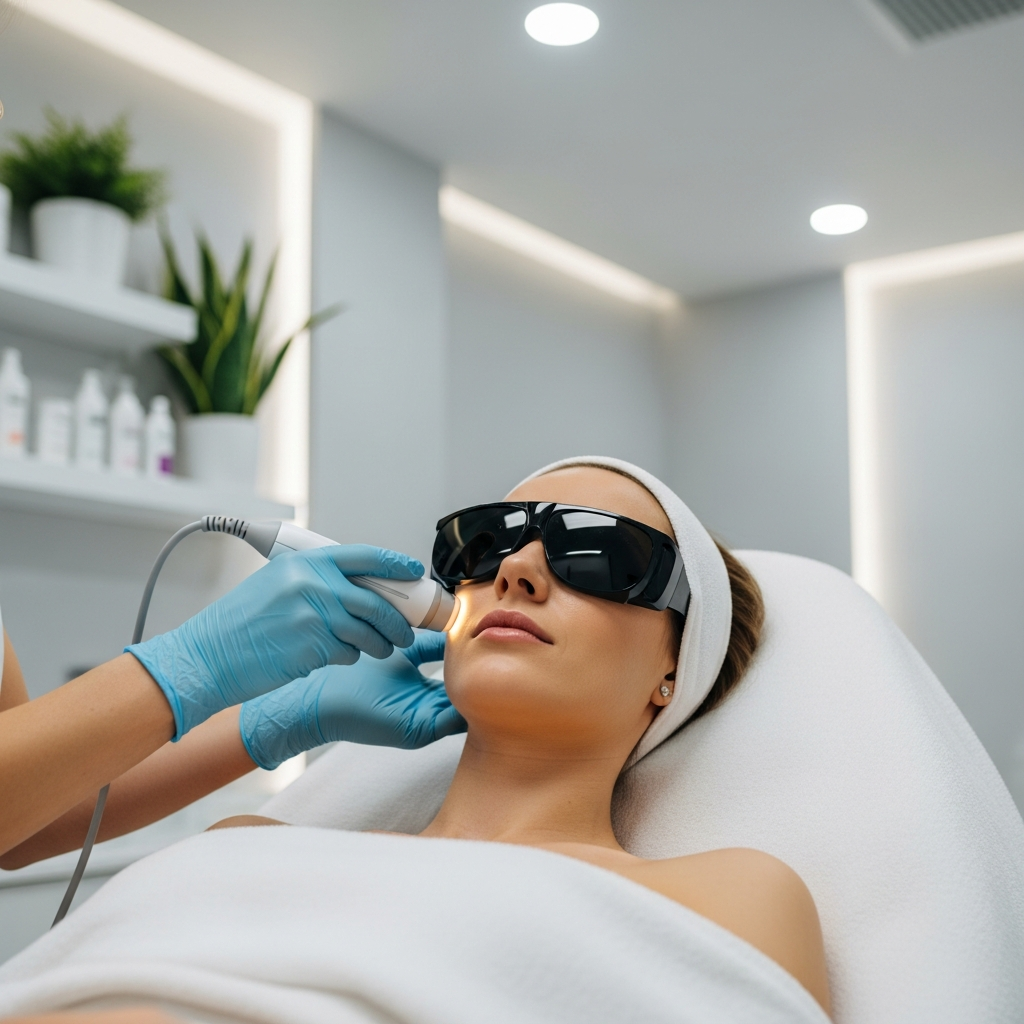
Picture this: It’s 6 AM on a Tuesday, and you’re standing in your bathroom, razor in hand, contemplating whether you have time for a full shave before work. Again. The cycle never ends, does it? Shave, stubble, shave, stubble… and don’t even get me started on those awkward patches you always seem to miss on the back of your legs.
If you live in Plano, you’ve probably noticed those sleek laser hair removal clinics popping up everywhere – promising freedom from this daily ritual. But here’s the thing that’s probably been nagging at you: with all the different laser technologies out there, how do you know which one actually works? More importantly, how do you know which one’s worth your hard-earned money?
You’ve likely heard whispers about Soprano Ice at neighborhood barbecues or during coffee dates with friends. Maybe your coworker mentioned it between meetings, or you saw it mentioned in those local Facebook groups where everyone seems to have an opinion about everything. The name sounds fancy enough, sure… but is it just marketing fluff, or does this technology actually deliver on its promises?
Here’s what I’ve learned after years of helping people navigate the sometimes confusing world of aesthetic treatments: not all laser hair removal is created equal. And in a place like Plano – where we’ve got options coming out of our ears – making the wrong choice can mean months of disappointing results and a bank account that’s lighter than you’d planned.
The truth is, you’re probably tired of the endless cycle. Tired of scheduling your beach days around your shaving schedule. Tired of dealing with razor burn, ingrown hairs, and that perpetual shadow that shows up no matter how careful you are. And honestly? You deserve better than that constant mental load of hair maintenance.
But here’s where it gets tricky – and this is something most clinics won’t tell you upfront. The laser technology they use makes a massive difference in your experience and results. Some lasers feel like tiny rubber bands snapping against your skin (not exactly what you’d call relaxing). Others require you to sit still while someone applies numbing cream for thirty minutes before each session.
Then there’s Soprano Ice, which… well, we’ll get into the details, but let’s just say it’s caused quite a stir in the laser hair removal world. Some people swear it’s revolutionized their entire experience. Others wonder if it’s just clever marketing wrapped around the same old technology.
What makes this even more complicated is that Plano’s got a competitive aesthetic treatment market. Drive down Preston Road or Legacy Drive, and you’ll see clinic after clinic advertising laser hair removal specials. But here’s the thing about those too-good-to-be-true deals – they often come with catches you don’t discover until you’re already committed.
You might be wondering about things like: Does it actually hurt less than traditional laser treatments? How many sessions will you really need? What about different skin tones – does it work for everyone? And perhaps most importantly for your wallet – is the investment worth it when you factor in the long-term savings from not buying razors, shaving cream, and waxing appointments?
I get it. You want straight answers, not sales pitches.
That’s exactly what we’re going to explore together. We’ll break down what Soprano Ice technology actually is (beyond the marketing speak), look at real costs you can expect in the Plano area, and talk about what the experience is genuinely like – the good, the not-so-great, and everything in between.
We’ll also tackle those questions you might be embarrassed to ask out loud, like what happens if you have a lower pain tolerance, or whether it’s worth it if you’ve already tried other laser treatments that didn’t work as well as promised.
Because ultimately, this isn’t just about hair removal – it’s about reclaiming time in your morning routine, feeling confident in your own skin, and making an investment in yourself that actually pays off.
So grab your favorite beverage, get comfortable, and let’s figure out whether Soprano Ice is the game-changer it claims to be… or just another expensive lesson in disappointment.
What Actually Happens During Laser Hair Removal
Think of laser hair removal like a very precise heat-seeking missile – except instead of seeking heat, it’s hunting for melanin, the pigment that gives your hair its color. The laser beam travels down your hair shaft like it’s following a roadmap, delivering energy directly to the follicle at the root.
Here’s where it gets interesting (and honestly, a bit weird when you really think about it): the goal isn’t to zap the hair that’s currently there. It’s to damage the follicle just enough that it goes, “You know what? I’m tired of making hair. I quit.”
The catch? This only works when hair is in its growth phase – what scientists call the “anagen phase.” It’s like trying to catch someone at home… you might ring the doorbell five times, but they’re only going to answer when they’re actually there. That’s why you need multiple sessions spaced weeks apart.
Why Your Hair Follicles Are Surprisingly Stubborn
Your follicles are basically tiny factories that have been churning out hair for decades. They’re not going to shut down operations after one stern talking-to from a laser.
Most people need somewhere between 6-12 treatments, though – and this might surprise you – even “permanent” hair removal isn’t quite permanent. Think of it more like putting your hair follicles into a very long hibernation. Some might wake up years later (thanks, hormones), but they’ll usually produce much finer, lighter hair than before.
It’s counterintuitive, I know. You’d think technology advanced enough to shoot targeted light beams could knock out hair follicles in one go. But biology is messier than we’d like it to be.
The Soprano Ice Difference (And Why It Matters)
Traditional laser hair removal works like a rubber band snapping against your skin – quick, intense bursts of energy that make most people wince. Soprano Ice takes a completely different approach, more like slowly turning up the heat on a stove versus throwing something into a blazing fire.
The “ice” part isn’t just marketing fluff. There’s actually a cooling tip that glides along your skin, keeping the surface comfortable while the laser energy builds up gradually in the follicle below. It’s diode laser technology, which sounds technical but really just means it’s particularly good at targeting dark hair pigment while being gentler on surrounding skin.
Here’s what I find fascinating: instead of those sharp zaps, Soprano Ice delivers energy in a sweeping motion – kind of like painting your skin with invisible heat. The sensation? Most people describe it as a warm massage rather than the medieval torture device experience of older lasers.
Who Gets the Best Results (The Honest Truth)
Let’s talk about something the brochures don’t always emphasize upfront: laser hair removal works best on people with light skin and dark hair. It’s not that it doesn’t work on other combinations – technology has improved dramatically – but the contrast makes targeting easier.
Think of it like trying to spot a black cat. Easy to see against fresh snow, trickier in a coal cellar. The laser needs that contrast to distinguish between your hair and your skin.
If you have blonde, red, or gray hair… well, this is where things get complicated. These hair colors have less melanin for the laser to target. Some newer technologies (including certain Soprano Ice configurations) can work on lighter hair, but results tend to be less predictable.
Darker skin tones? Absolutely treatable with the right equipment and expertise. Soprano Ice is actually considered one of the safer options for darker skin because of its gradual heating approach. But – and this is important – you want a provider who really knows what they’re doing with different skin types.
What “Permanent” Actually Means
The FDA requires clinics to use the phrase “permanent hair reduction” rather than “permanent hair removal,” and honestly? That’s more accurate anyway.
After a full treatment series, most people see an 80-90% reduction in hair growth. The remaining hair is typically much finer and lighter – sometimes so fine you barely notice it. But life happens… hormonal changes, medications, aging – any of these can wake up some of those sleeping follicles years down the road.
It’s not a failure of the treatment; it’s just biology being… well, biological.
What to Expect During Your First Session
Look, I’m going to be straight with you – that first appointment is going to feel a bit like stepping into the unknown. But here’s what actually happens: you’ll spend more time talking than getting zapped. The technician needs to map out your skin tone, hair type, and those sneaky hormonal patterns that might affect your results.
Bring a list of any medications you’re taking (yes, even that vitamin D supplement). Some meds can make your skin more photosensitive, and trust me, you don’t want to discover that mid-treatment. Also – and this might sound obvious but you’d be surprised – don’t show up with a fresh tan. I mean it. That spray tan from last weekend? It needs to fade first.
The actual Soprano Ice treatment feels like… well, imagine a warm rubber band snapping against your skin, but gentler. Some people say it’s like a cat purring against their leg while occasionally giving tiny love bites. Not exactly painful, just… noticeable.
Timing Your Treatment Plan
Here’s something most places won’t tell you upfront: your hair grows in cycles, and catching it at the right moment is everything. You’re looking at 6-8 sessions minimum, spaced about 4-6 weeks apart. I know, I know – that seems like forever when you’re dreaming of smooth legs for summer.
But here’s a insider tip: start your treatment plan in fall or winter. Your skin will be at its palest (better for the laser), you won’t be tempted to sun bathe between sessions, and you’ll be ready to rock that bikini when warm weather hits. Plus, many clinics offer better pricing during their slower months.
Don’t try to rush the timeline by booking sessions closer together. Your hair follicles need time to cycle through their growth phases. Pushing too fast is like trying to harvest tomatoes before they’re ripe – you’ll just end up disappointed.
Pre and Post-Treatment Care That Actually Works
The night before your session, take a shower and shave the area thoroughly. But not too thoroughly – you want maybe a day’s worth of stubble. Think of it as giving the laser a target to lock onto. No waxing, no plucking, no threading for at least four weeks beforehand. Those methods yank the hair root out, leaving the laser with nothing to work with.
After treatment, your skin might look like you’ve got a mild sunburn. That’s totally normal, though it can be startling if nobody warned you. Ice packs are your friend here – not directly on the skin, but wrapped in a thin towel. Aloe vera gel (the real stuff, not the bright green kind with alcohol) can be incredibly soothing.
Here’s what nobody tells you: avoid hot showers for 24-48 hours. I learned this the hard way. That blast of hot water on freshly treated skin? Not pleasant. Lukewarm is your new best friend.
Maximizing Your Investment
Since you’re dropping serious money on this, let’s talk about getting the most bang for your buck. First, be religious about your appointments. Skipping sessions or showing up late disrupts the whole cycle – it’s like missing episodes of a TV series and then wondering why the plot doesn’t make sense.
Ask about package deals, but read the fine print. Some clinics offer “unlimited touch-ups” that sound amazing until you discover they expire after a year. Others include post-treatment products that you can actually buy cheaper elsewhere.
Document your progress with photos. I know it feels weird taking pictures of your armpits, but you’ll be amazed at how much you forget between sessions. Use the same lighting, same angle, same time of day if possible.
Red Flags to Watch For
A good technician will adjust the settings as you go, checking in with you constantly during those first few sessions. If someone cranks up the machine and ignores your discomfort, that’s not toughening you up – that’s poor technique.
Your skin should never blister or develop dark spots that last more than a few days. Mild redness? Normal. Looking like you wrestled with a curling iron? Not normal. Don’t let anyone convince you that “beauty is pain” when it comes to laser treatments. Pain usually means something’s wrong.
And here’s something that might save you hundreds: if you’re not seeing any reduction after three sessions, have an honest conversation with your provider. Sometimes switching techniques or adjusting protocols can turn things around, but sometimes… well, sometimes your money might be better spent elsewhere.
The Side Effects Nobody Warns You About (But Should)
Let’s be honest – even with the gentlest laser technology, your skin’s going to have opinions about being zapped repeatedly. The good news? Most of these reactions are totally normal and manageable.
You might notice some redness that looks like a mild sunburn right after treatment. This usually fades within a few hours, but I’ve had patients who looked like lobsters for a full day. It happens. Some people also get tiny bumps around the hair follicles – kind of like goosebumps that overstayed their welcome.
Here’s what actually works: Keep the treated area cool and dry for the first 24 hours. Skip the hot shower (I know, I know), avoid tight clothing that might rub, and definitely don’t slather on any perfumed lotions. Your skin’s already working overtime to process what just happened.
The trickier side effect? Sometimes your skin tone can shift temporarily. Darker skin might get lighter in spots, while lighter skin can develop darker patches. This freaks people out, but it’s usually temporary – we’re talking weeks to a few months, not permanent changes. Still, this is exactly why choosing an experienced provider matters. They’ll adjust settings based on your skin type, not just wing it.
When Your Hair Plays Hard to Get
Here’s the thing nobody tells you upfront: some hair is just… stubborn. Really stubborn. You might sail through your first few sessions, watching hair disappear like magic, then hit a wall around session four where it feels like nothing’s happening.
This is completely normal, by the way. Your hair grows in cycles, and some follicles are basically hair overachievers – they’re deeper, stronger, and more determined to stick around. Hormonal areas like the face and bikini line? They’re notorious for this.
The solution isn’t to panic or assume the treatment isn’t working. It’s to adjust expectations and sometimes treatment plans. Maybe you need an extra session or two. Maybe the timing between appointments needs tweaking. A good technician will recognize these patterns and adapt accordingly.
Actually, that reminds me – patience really is key here. I’ve seen people get discouraged around the halfway mark because they’re still shaving between sessions. But that’s exactly what you’re supposed to do! The hair that’s growing back isn’t the same hair that was treated – it’s new growth that hasn’t been zapped yet.
The Scheduling Nightmare (And How to Survive It)
Let’s talk about something practical that can make or break your experience: actually getting appointments when you need them. Most clinics space treatments 4-6 weeks apart, which sounds simple until you realize you’re basically planning your life around hair growth cycles.
Miss an appointment window? You might have to wait another month to get back on track. Book too early? The treatment won’t be as effective because not enough new hair has emerged. It’s like a weird beauty treatment version of Goldilocks – the timing has to be just right.
The trick is to book your next appointment before you leave your current one. Seriously. Don’t wait until you get home to think about scheduling. Most people’s lives are chaotic enough without trying to coordinate laser appointments six weeks in advance.
And here’s a pro tip: be flexible with your timing. If you can do appointments on weekdays or odd hours, you’ll have way more options. Friday afternoons and Saturday mornings? Good luck with that.
The Price Reality Check
I’m going to be straight with you about costs because this trips up more people than you’d think. You see those package deals advertised, and they look reasonable… until you realize you might need more sessions than the package includes.
The “standard” 6-8 sessions work great for some people and some areas. But facial hair? That might take 10-12 sessions. Hormonal changes, medication, genetics – they all play a role in how your hair responds.
Smart approach: Start with a smaller package and see how your skin responds. You can always add more sessions later, often at a package rate. Don’t let anyone pressure you into buying the biggest package upfront “for the best value.” The best value is getting results without overspending on treatments you might not need.
Also, factor in maintenance sessions. Most people need a touch-up once or twice a year to catch any determined stragglers. It’s not a flaw in the treatment – it’s just how bodies work.
What to Expect: The Real Timeline (Not the Marketing Version)
Let’s be honest – you’re probably hoping for instant magic. We all are. But laser hair removal isn’t like getting your nails done where you walk out completely finished. It’s more like… well, think of it like training for a marathon. You don’t just show up and run 26 miles on day one.
Most people need 6-8 sessions spaced about 4-6 weeks apart. That’s roughly 6-9 months from start to finish. I know, I know – that feels like forever when you’re tired of shaving every other day. But here’s the thing: your hair grows in cycles, and we can only zap the ones that are actively growing during each session.
After your first treatment with Soprano Ice, you might notice some hair shedding within 1-2 weeks. Don’t panic if it seems like nothing’s happening at first – that’s totally normal. Some people see dramatic results after just one session, while others need a few treatments before they really notice a difference. Bodies are weird like that.
The good news? Each session builds on the last one. By session 3 or 4, most people start thinking “okay, this is actually working.” By the end of your series, you’re looking at 80-90% permanent reduction. Not 100% – anyone promising that is probably overselling.
Between Sessions: What’s Normal (And What Isn’t)
Here’s what you can expect in those weeks between treatments – and honestly, some of this might surprise you.
First off, you’ll still need to shave. Actually, you *should* keep shaving between sessions. The laser targets the hair follicle beneath the skin, not the hair you can see. So go ahead and shave away – you’re not undoing anything.
What you can’t do is wax or pluck. Those methods yank the whole hair out, root and all, which means there’s nothing for the laser to target next time. It’s like showing up to a meeting where the other person didn’t come – pretty pointless.
Some redness right after treatment is completely normal – think mild sunburn that fades within a few hours. If you’re still bright red the next day, that’s worth a phone call to your clinic. Most people can go right back to their regular activities, though you’ll want to skip the gym for 24-48 hours (sorry, not sorry).
Touch-Ups and Maintenance: The Long Game
Even after your initial series is complete, you might need occasional touch-ups. This isn’t because the treatment “didn’t work” – it’s because life happens. Hormonal changes, medications, even stress can wake up dormant follicles.
Most people find they need a touch-up session maybe once a year, sometimes less. Compare that to shaving every few days for the rest of your life, and it starts looking pretty appealing, doesn’t it?
Getting Ready for Your First Session
Before you walk in for round one, there are a few things to know. You’ll want to shave the area 24 hours beforehand – not the morning of (razor burn and lasers don’t mix well), but not so early that you’ve got stubble growing back.
Skip the fake tan, self-tanner, or any heavy sun exposure for at least two weeks before. The laser can get confused by artificial color and… well, let’s just say it’s not worth the risk.
Come in with clean skin – no lotions, deodorant, or makeup in the treatment area. Think of it like prepping for surgery, just way less dramatic.
Questions You Should Actually Ask
During your consultation, don’t just nod and smile. This is your chance to get real answers. Ask about their experience with your skin type and hair color specifically. Find out what happens if you’re not happy with the results after your package is complete.
And here’s a big one – ask about their policy on missed appointments. Life happens, and you don’t want to lose money because you got sick or had a work emergency.
Most importantly, trust your gut. If something feels off or if the staff seems rushed or dismissive of your concerns, it’s okay to walk away. This is your body and your money – you deserve to feel confident about both the treatment and the people providing it.
The whole process requires patience, but most people find it’s absolutely worth it. Just go in with realistic expectations, and you’ll probably be pleasantly surprised by the results.
So here we are… after diving deep into everything Soprano Ice has to offer, you’re probably sitting there thinking, “Okay, but is this actually right for me?” And honestly? That’s exactly the question you should be asking.
Look, I get it. You’ve been dealing with unwanted hair for years – maybe decades. You’ve tried everything from drugstore razors that leave you with razor burn to waxing appointments that make you want to cancel five minutes before walking in the door. The idea of finally being done with all that sounds amazing, but there’s this little voice in your head wondering if laser hair removal is just another thing that sounds too good to be true.
The Real Talk About Your Decision
Here’s what I’ve learned from talking to hundreds of people who’ve been exactly where you are right now: the ones who are happiest with their results aren’t necessarily the ones who had the “perfect” skin type or unlimited budgets. They’re the ones who did their homework, asked the right questions, and – this is crucial – found a clinic that really listened to what they wanted to achieve.
Soprano Ice isn’t magic (wouldn’t that be nice?), but it’s pretty darn close for a lot of people. The fact that it works on virtually all skin types, doesn’t require you to avoid the sun for months, and actually feels comfortable during treatment… well, that’s changed the game for so many folks who thought laser hair removal just wasn’t an option for them.
But here’s the thing – and I can’t stress this enough – your experience is going to depend heavily on who’s holding that laser. The technology is fantastic, but it’s only as good as the person using it. That’s why those consultation conversations matter so much. You want someone who looks at your skin, listens to your concerns (yes, even the embarrassing ones), and creates a plan that makes sense for your life.
You Don’t Have to Figure This Out Alone
Maybe you’re worried about the cost, or whether it’ll actually work on your particular hair situation, or if you’ll be able to handle the time commitment. Those are all completely valid concerns – the kind of stuff that keeps you up at night googling “laser hair removal reviews” at 2 AM.
The beautiful thing is, you don’t have to make this decision in a vacuum. A good consultation isn’t about getting pressured into signing up for anything – it’s about getting real answers to your specific questions. What will your treatment plan actually look like? How much time are we really talking about? What happens if you’re not seeing the results you hoped for?
These aren’t just procedural questions… they’re about your life, your confidence, and your peace of mind.
If you’re curious about whether Soprano Ice might be your answer to finally being done with the hair removal struggle, why not have a conversation about it? No commitments, no pressure – just honest answers from people who do this every day and genuinely want to help you make the choice that’s right for you.
Ready to get your questions answered? Give us a call or schedule a consultation. We’re here to help you figure out if this is your next step forward.