Watters Crossing PDO Threads: What You Should Know
You catch yourself in the bathroom mirror again – that little pause before you rush off to work. Your fingers unconsciously trace along your jawline, maybe lift the skin just slightly to see what you *used* to look like. Sound familiar?
It’s funny how these moments sneak up on us. One day you’re confidently scrolling through photos from last weekend, and the next… well, let’s just say the camera angle becomes very important. You’re not imagining things – gravity is real, time marches on, and our faces tell that story whether we’re ready or not.
But here’s what’s interesting (and honestly, kind of exciting): we’re living in this amazing time where you don’t have to choose between “do nothing and accept it” or “go under the knife.” There’s this whole middle ground that didn’t really exist for our parents’ generation.
Enter PDO threads – specifically, what’s happening at Watters Crossing with this treatment that’s got everyone talking. Now, I know what you might be thinking: “Another cosmetic procedure I’ve never heard of that probably costs a fortune and sounds terrifying.”
Actually, let me back up for a second…
PDO threads aren’t brand new – doctors have been using these special sutures in surgery for decades. They’re completely absorbable, which means your body naturally breaks them down over time. What *is* relatively new is using them for facial rejuvenation. Think of it like this: instead of pulling everything tight like a traditional facelift, PDO threads work more like… well, imagine if you could give your skin a gentle scaffolding system that encourages it to rebuild itself from the inside out.
The thing is, not all thread treatments are created equal. And that’s where location, expertise, and technique make all the difference. Watters Crossing has become something of a destination for people seeking this treatment – but why? What makes their approach different? And more importantly, is this something you should actually consider?
Look, I get it. The beauty industry is full of promises that sound too good to be true. Every month there’s some new “revolutionary” treatment that’s supposedly going to turn back the clock with zero downtime and amazing results. It’s exhausting, right? You want to look and feel your best, but you also don’t want to be someone’s guinea pig or end up with results that look… obvious.
That’s exactly why we need to talk about PDO threads – the real story, not the marketing hype. Because when done right, by the right people, with realistic expectations? They can be pretty remarkable. But when done poorly… well, that’s a conversation nobody wants to have.
Over the next few minutes, we’re going to walk through everything you actually need to know about PDO threads at Watters Crossing. Not the glossy brochure version – the real deal. What exactly happens during the procedure (spoiler: it’s way less dramatic than you might think). How much it typically costs and whether insurance ever covers any of it (short answer: probably not, but there are financing options). What results you can realistically expect and, just as importantly, what you absolutely shouldn’t expect.
We’ll talk about who’s a good candidate and who should probably look at other options first. The recovery process – and yes, there is one, despite what some places might imply. Potential risks and complications, because honestly, any medical procedure has them, and anyone who says otherwise isn’t being straight with you.
But here’s what I’m most excited to share: the stories from real people who’ve had this done. Not the cherry-picked testimonials from the website, but actual conversations about what it was like, how they felt afterward, and whether they’d do it again.
Because at the end of the day, this isn’t about chasing some impossible standard of perfection. It’s about feeling comfortable in your own skin – maybe just helping that skin look as good as you feel on the inside. And if PDO threads can be part of that story for you, shouldn’t you know all the facts first?
Let’s figure this out together…
What Are PDO Threads, Really?
Let’s start with the basics – and honestly, when I first heard about PDO threads, I thought it sounded like something from a sci-fi movie. But it’s actually pretty straightforward once you get past the fancy medical terminology.
PDO stands for polydioxanone, which is… well, that’s a mouthful, isn’t it? Think of it as a special type of medical-grade thread that’s been used in surgery for decades. You know how surgeons use stitches that eventually dissolve on their own? That’s essentially what PDO is – except instead of closing wounds, we’re using these threads to give your skin a little architectural support.
The threads are incredibly thin – thinner than a strand of hair – and they’re designed to dissolve naturally in your body over time. It’s kind of like having temporary scaffolding for your face while your skin figures out how to support itself better.
The Science Behind the Magic (Don’t Worry, We’ll Keep It Simple)
Here’s where it gets interesting… When these threads are placed under your skin, your body doesn’t just ignore them. Instead, it thinks, “Oh, what’s this? Better send in the repair crew!” Your body starts producing new collagen around the threads – think of collagen as your skin’s natural support system, like the springs in a good mattress.
As the threads gradually dissolve over 6-12 months, they leave behind this newly formed collagen structure. So you’re not just getting a temporary lift – you’re actually encouraging your skin to rebuild its own support network. Pretty clever, right?
Now, I’ll be honest – the whole “your body grows new collagen” thing sounds almost too good to be true when you first hear it. But this process, called neocollagenesis (another fancy term that basically means “making new collagen”), is well-documented in medical literature. Your body is surprisingly good at renovation projects when given the right materials.
Different Threads for Different Jobs
Not all PDO threads are created equal, and this is where things can get a bit confusing. There are basically three main types, each designed for different purposes
Smooth threads are the minimalists of the thread world. They’re straight, simple, and primarily focused on stimulating collagen production. Think of them as the foundation work – they’re not going to give you dramatic lifting, but they’ll improve your skin’s texture and firmness over time.
Barbed or cog threads are the heavy lifters. These have little barbs or hooks along their length that can actually grab onto tissue and provide an immediate lifting effect. They’re like having tiny grappling hooks under your skin – sounds a bit intense, but the results can be pretty impressive for the right candidate.
Screw or tornado threads have a spiral design that’s particularly good at volumizing. If you’re dealing with areas that have lost fullness rather than just sagging, these might be the way to go.
The Treatment Experience – What Actually Happens
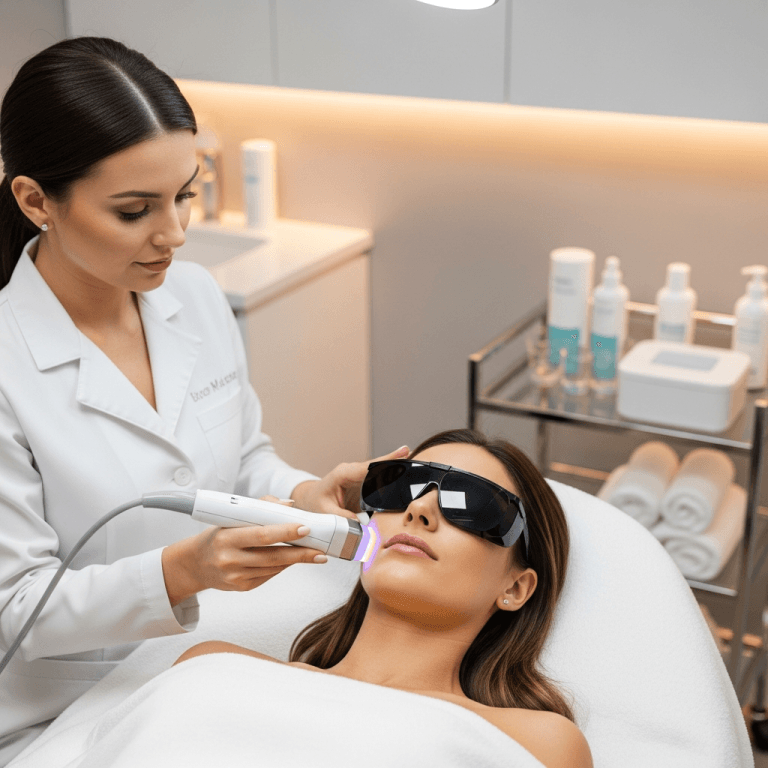
The actual procedure is surprisingly quick – we’re talking 30-45 minutes in most cases. You’ll get some numbing cream or local anesthetic (because nobody wants to feel like a pincushion), and then the practitioner uses tiny needles to place the threads precisely where they need to go.
I won’t sugarcoat it – you might feel some tugging or pressure, and there’s usually some swelling and bruising afterward. Think of it like getting a more intense facial workout than you bargained for. Most people describe the discomfort as manageable, somewhere between getting a vaccine and a dental procedure.
Why Watters Crossing Is Worth Considering
What makes Watters Crossing particularly attractive for this type of treatment is the concentration of experienced practitioners in the area. Let’s face it – you want someone who’s done this hundreds of times, not someone who just took a weekend course. The medical aesthetic scene here has matured quite a bit, which means you’re more likely to find providers who really understand facial anatomy and have refined their techniques.
Plus, there’s something to be said for having your treatment done somewhere you can easily return for follow-up care… because yes, you’ll want to check in with your practitioner as you heal.
What to Expect During Your Consultation (And How to Nail It)
Here’s the thing about PDO thread consultations – they’re not just about the doctor examining your face. You’re interviewing each other. Come prepared with photos of yourself from 5-10 years ago (trust me on this one). Not the perfectly filtered Instagram shots… I’m talking about those candid family photos where you actually look like yourself.
Your practitioner should spend at least 20 minutes with you – if they’re rushing through in five minutes, that’s a red flag waving frantically. They should be mapping out your face, discussing your concerns, and honestly? Sometimes talking you OUT of certain areas if they don’t think threads are the right fit.
Don’t be afraid to ask how many thread procedures they’ve done specifically. “I do cosmetic procedures” isn’t the same as “I’ve placed 500+ PDO threads.” There’s a learning curve here, and you don’t want to be someone’s practice round.
The Week Before: Your Prep Game Plan
Stop taking anything that thins your blood – we’re talking aspirin, ibuprofen, fish oil, even that turmeric supplement you forgot about. Your practitioner should give you a complete list, but here’s the insider scoop: even vitamin E can increase bruising.
Cut back on alcohol for at least 48 hours beforehand. I know, I know… but alcohol is essentially a blood thinner, and you’ll thank me when you’re not sporting purple badges of honor across your face.
Sleep well the night before – seriously. When you’re tired, you bruise more easily and heal more slowly. It’s like your body’s running on empty when it needs to be firing on all cylinders.
Day-Of Survival Guide
Eat something before you go. Not a massive meal (you might feel queasy from nerves), but don’t go in on an empty stomach either. A light breakfast with some protein works perfectly.
Wear a button-up shirt or something you won’t have to pull over your head afterward. You might have some swelling, and wrestling with a tight t-shirt isn’t fun when your face feels tender.
Bring sunglasses – even if it’s cloudy. You might have some puffiness or slight bruising, and honestly, sunglasses just make you feel more put-together when you’re feeling a bit rough around the edges.
The First 48 Hours: Your Recovery Sweet Spot
Ice is your best friend, but don’t go crazy with it. Ten minutes on, ten minutes off. Frozen peas work great because they mold to your face – just wrap them in a thin towel. Direct ice on skin? That’s a frostbite risk you don’t need.
Sleep propped up for the first few nights. I’m talking 30-45 degrees – like you’re lounging in a fancy recliner. It helps with swelling and prevents you from accidentally rolling onto your face. Extra pillows are worth their weight in gold right now.
Here’s something most people don’t tell you: your face might feel… weird. Like there’s something foreign in there (because, well, there is). Some people describe it as tightness or pulling. This is completely normal and fades as the threads settle and your tissues adapt.
Week One: The “Am I Healing Normally?” Phase
Don’t panic if you look worse before you look better. Swelling typically peaks around day 2-3, then gradually improves. You might see some asymmetry during this time – one side healing faster than the other. This usually evens out.
Gentle face washing only. Pat dry, don’t rub. Use a clean towel each time (or better yet, disposable face cloths for the first week). Your skin is essentially healing from tiny wounds, so cleanliness matters.
Avoid sleeping on your side for at least a week. I know it’s tough if you’re a side sleeper, but the threads need time to integrate properly. Think of it like… you wouldn’t sleep on a fresh tattoo, right?
The Long Game: Maximizing Your Results
Your collagen production kicks into high gear around week 3-4. This is when you’ll start seeing the real magic happen. But here’s the catch – you need to support that process. Good protein intake, staying hydrated, not smoking (obviously), and protecting your skin from sun damage all play crucial roles.
Results typically improve for 2-3 months as new collagen forms around the threads. Don’t judge your final outcome at week two – you’re still very much in the building phase.
Most people see results lasting 12-18 months, but lifestyle factors make a huge difference. The better you take care of your skin overall, the longer you’ll enjoy your investment.
The Reality Check: What Actually Goes Wrong
Let’s be honest – PDO threads aren’t a walk in the park, and anyone telling you otherwise probably hasn’t had them done. You’re going to face some bumps along the way, and I’d rather you know what’s coming than get blindsided.
The biggest shock for most people? The swelling. And I don’t mean a little puffiness. We’re talking about looking like you went three rounds with a boxing glove – sometimes for days. Your face might feel tight, lumpy, and completely foreign. One patient told me she looked “like a chipmunk storing nuts for winter,” which… honestly, that’s not far off.
Here’s what helps: ice packs (15 minutes on, 15 off), sleeping elevated (yes, even if you’re a stomach sleeper), and giving yourself permission to look rough for a week. Book time off work if you can. Your face needs time to settle into its new configuration.
When Your Face Feels Like It Belongs to Someone Else
The weirdness factor is real. Your skin might feel tight, numb in spots, or just… different. Some people describe it like wearing a mask that’s slightly too small. It’s unsettling, especially when you catch yourself in the mirror and think, “Who is that?”
This isn’t permanent, but it can last longer than you’d expect – sometimes up to a month. Your nerves need time to adjust to the new positioning. Think of it like breaking in new shoes, except the shoes are on your face.
The solution here is mostly patience (I know, easier said than done) and gentle massage once your practitioner gives the green light. Light, circular motions can help everything settle more naturally.
The Dreaded Dimpling and Puckering
Sometimes threads create little dimples or puckers in your skin – like tiny speed bumps where everything should be smooth. This happens when threads are placed too close to the surface or when your skin doesn’t quite cooperate with the new architecture.
Most minor dimpling resolves on its own as swelling goes down and tissues relax. But if you’re still seeing significant irregularities after six weeks, don’t just hope they’ll disappear. Talk to your practitioner – sometimes a small adjustment or additional treatment can smooth things out.
The Emotional Roller Coaster
Nobody warns you about the psychological aspect, but it’s huge. You might love your results one day and panic about them the next. You’ll probably second-guess your decision at least once (usually when the swelling is at its worst).
This is completely normal. You’ve made a significant change to your face – of course your brain needs time to catch up. Give yourself at least three months before making any final judgments about your results. Take progress photos if it helps you see the improvement objectively.
When Results Don’t Match Expectations
Sometimes what you get isn’t what you pictured. Maybe the lift isn’t as dramatic as you hoped, or perhaps you’re noticing asymmetry you didn’t expect. This disconnect between expectation and reality can be genuinely distressing.
First, remember that final results take time – up to six months for some people. But if you’re truly unhappy, communicate with your practitioner. Good providers want you satisfied and will work with you to address concerns. Sometimes a touch-up treatment can make all the difference.
The “When Can I…” Questions Nobody Answers
You’re going to have a million questions about what you can and can’t do. When can I wear makeup? (Usually 24-48 hours, but ask your provider.) When can I sleep on my side? (Give it at least a week.) When can I get a facial? (Hold off for at least a month.)
The key is being more cautious than you think you need to be. We’ve seen people rush back to their normal routine and create complications that could’ve been avoided with a little extra patience.
Managing the Maintenance Reality
Here’s something people don’t always consider upfront: PDO threads aren’t forever. You’re looking at results that last 12-18 months, maybe longer if you’re lucky. That means you’ll need to decide whether to repeat the treatment, try something else, or just let things go back to how they were.
Start thinking about this early. Budget for future treatments if you want to maintain results, or make peace with the temporary nature of the improvement. Either choice is valid – just don’t let it surprise you later.
The bottom line? PDO threads can deliver great results, but they’re not magic. Go in with realistic expectations, a good support system, and plenty of patience. Your face will thank you for it.
What to Expect Right After Your Treatment
Let’s be honest – you’re not going to walk out looking like you’ve had a complete facelift. That’s not how PDO threads work, and anyone telling you otherwise is overselling. What you *will* see is some immediate lift – think of it as your skin getting a gentle wake-up call rather than a dramatic transformation.
The first few days? You might look a bit… well, like you had a procedure done. Some swelling is totally normal, maybe a bit of tenderness where the threads were placed. We always tell patients to think of it like you’ve had really good dental work – noticeable to you, but probably not to the cashier at the grocery store.
You’ll want to sleep on your back for the first week (I know, I know – easier said than done if you’re a side sleeper). Avoid intense workouts for about a week too. Your morning yoga? That’s fine. CrossFit competition? Maybe wait a bit.
The Timeline Reality Check
Here’s where expectations meet reality, and it’s important we’re completely upfront about this…
Week 1-2: You’re in what I call the “settling phase.” The threads are finding their home, your skin is adjusting. You might see some improvement, but don’t judge the final results yet. It’s like planting a garden – you don’t expect flowers the day after you put seeds in the ground.
Month 1: This is when things start getting interesting. The collagen production – which is really the star of the show – begins ramping up. You’ll notice your skin feeling firmer, maybe a bit more… substantial? That’s the best way I can describe it.
Months 2-3: Peak results territory. This is typically when patients call saying, “Oh wow, I get it now.” The lift becomes more apparent, skin texture improves, and that subtle but noticeable rejuvenation really shows.
The threads themselves dissolve over 6-12 months, but here’s the beautiful part – the collagen they’ve stimulated sticks around much longer. Think of the threads as scaffolding for a building project. Once the building (your new collagen) is strong enough, you don’t need the scaffolding anymore.
When to Worry (And When Not To)
Some things are completely normal and expected
– Slight asymmetry for the first few weeks (your face needs time to even out) – Feeling the threads under your skin initially – Minor bruising or swelling – Temporary dimpling at insertion points
But you should definitely call us if you experience
– Severe pain that doesn’t respond to over-the-counter medication – Signs of infection (unusual redness, warmth, or discharge) – Threads becoming visible under the skin – Any concerns that just don’t feel right to you
Trust your instincts. You know your face better than anyone.
Your Next Steps and Long-Term Plan
Most patients benefit from touch-up treatments every 12-18 months. It’s not that the results completely disappear – more like maintaining a garden. You want to keep things looking their best.
We’ll schedule a check-in about two weeks after your treatment, then again at the three-month mark. These aren’t just courtesy calls – we genuinely want to see how you’re progressing and address any questions that come up.
Some patients ask about combining PDO threads with other treatments. The short answer? It depends. We might suggest waiting a few months to see your full results before adding anything else to the mix. Sometimes less is more, and sometimes… well, sometimes you want to add a little Botox to complement those lifted areas.
The Bottom Line on Results
PDO threads aren’t magic – they’re medical science working with your body’s natural healing process. The results are real but subtle, natural but noticeable. You’re not trying to look 20 again (and honestly, would you want to go back to being 20 with everything you know now?).
What you’re aiming for is the best version of yourself right now. Refreshed. Lifted. Like you’ve been getting really good sleep and drinking lots of water for months.
And here’s something I’ve noticed after years of doing these treatments – patients who have realistic expectations and understand the process? They’re consistently the happiest with their results.
Ready to Take the Next Step?
Look, I get it – reading about PDO threads can feel a bit overwhelming at first. There’s the science behind how they work, all those different thread types, the recovery timeline… it’s a lot to process. But here’s what I want you to remember: this isn’t just about vanishing wrinkles or lifting sagging skin (though those are pretty amazing benefits). It’s about feeling confident when you catch your reflection in store windows again.
You know that feeling when you’re getting ready in the morning, and for just a moment – maybe it’s the lighting, or the angle – you see yourself the way you remember? That’s what we’re really talking about here. PDO threads offer something unique in the world of aesthetic treatments. They’re not as dramatic as surgery, but they’re more substantial than your typical facial. Think of them as… well, like getting the perfect pair of jeans that somehow makes everything look better.
The beauty of PDO threads – especially when done by experienced providers – is that they work with your body’s natural healing process. Those collagen fibers aren’t just tightening things up temporarily; they’re actually rebuilding the foundation. It’s like renovating your house from the inside out, rather than just slapping on a fresh coat of paint.
And honestly? The fact that you’re researching this thoroughly shows you’re approaching it the right way. You’re not rushing into anything – you’re gathering information, understanding your options, maybe even having those late-night “what if” conversations with yourself. That’s exactly what you should be doing.
Here’s something I’ve noticed over the years: the people who get the best results from any aesthetic treatment are those who come in informed but not anxious, curious but not obsessing over every tiny detail. They understand that good results take time – that immediate gratification isn’t always the goal.
If you’re considering PDO threads, you probably have questions that didn’t get answered here. Maybe you’re wondering about your specific skin concerns, or how the treatment might work with your lifestyle, or… let’s be honest… what it’s actually going to feel like. Those are exactly the kinds of conversations worth having with someone who can look at your skin, understand your goals, and give you straight answers.
We’re here when you’re ready to have that conversation. Not to pressure you into anything – you’ve probably had enough of that elsewhere – but to give you the real information you need to make a decision that feels right for you. Whether that’s moving forward with PDO threads, exploring other options, or deciding to hold off for now… we want you to feel confident in whatever choice you make.
Your skin, your timeline, your comfort level. We’ll just provide the expertise and support to help you figure out what makes sense for where you are right now. Sometimes the best next step is simply asking those questions that have been bouncing around in your head.
Ready to talk through your options? Give us a call. We’d love to help you sort through all of this – no pressure, just honest answers and genuine support for whatever direction feels right to you.