SkinPen Microneedling in Richardson for Texture and Tone
You know that moment when you catch your reflection in the car’s rearview mirror and think, “When did my skin start looking so… tired?” Maybe it’s those little lines that seem to have appeared overnight, or the way your foundation settles into pores you swear weren’t there last year. Or perhaps it’s that uneven texture that makes your skin feel like sandpaper when you’re applying moisturizer.
I get it. And honestly? You’re not being vain or superficial – you’re being human.
Your skin tells a story, and sometimes that story includes chapters you’d rather edit. Sun damage from those carefree beach days in your twenties. Acne scars that refuse to fade even though the breakouts stopped years ago. That general roughness that makes you wonder if your skincare routine is actually doing anything at all.
Here’s the thing though – and this might sound a bit dramatic, but bear with me – your skin is literally your largest organ. It’s working 24/7 to protect you, heal you, and yes… show the world how you’re doing. When it’s not looking its best, it affects everything from how your makeup sits to how confident you feel walking into that important meeting.
But here’s what I’ve learned working with people who’ve felt stuck in this exact spot: you don’t have to just accept “this is how my skin is now.” That’s actually a myth we tell ourselves when we’ve tried cream after cream, serum after serum, and nothing seems to make a real difference.
The truth is, sometimes your skin needs a little more help than what you can give it at home. Think of it like this – you can do pushups in your living room all day long, but sometimes you need actual weights to see real change. Your skin works the same way.
That’s where something like SkinPen microneedling comes in, and specifically what’s happening with this treatment right here in Richardson. It’s not some new fad or celebrity secret (though plenty of them are doing it). It’s actually a scientifically-backed treatment that works with your skin’s natural healing process to create real, visible improvements in texture and tone.
Now, I know what you might be thinking – “microneedling” sounds a little scary. Needles? On my face? But before you click away, let me tell you what it actually involves and why people in Richardson are seeing such impressive results that they’re coming back for more treatments and recommending it to their friends.
We’re going to walk through exactly how this works – and I promise to skip the boring scientific jargon that makes your eyes glaze over. You’ll understand why tiny, controlled injuries to your skin are actually a good thing (I know, it sounds counterintuitive). We’ll talk about what you can realistically expect, because the last thing you need is another treatment that promises the moon and delivers… well, not much.
More importantly, we’ll discuss what this could mean for your specific concerns. Whether you’re dealing with acne scarring that’s been bothering you for years, sun spots that makeup can’t quite cover, or just that overall rough texture that makes your skin feel older than you are – there’s probably something here that applies to your situation.
I’ll also share what the actual experience is like, because let’s be honest – walking into any cosmetic treatment can feel a little nerve-wracking. What does it feel like? How long does it take? What’s the recovery like? (Spoiler alert: it’s probably easier than you think.)
And because we’re talking about your face here – not exactly something you want to experiment with – we’ll cover how to find the right practitioner in Richardson, what questions to ask, and red flags to watch for.
Look, your skin didn’t get to where it is overnight, and it won’t transform overnight either. But with the right treatment and realistic expectations? You might be surprised at what’s possible. Sometimes all it takes is understanding your options and finding the one that actually matches what your skin needs.
Ready to find out if this might be the missing piece in your skincare puzzle?
What’s Actually Happening Under Your Skin
You know how when you accidentally scratch yourself, your skin somehow knows exactly how to heal that little wound? That’s basically what microneedling is banking on – except we’re being very intentional about those tiny injuries.
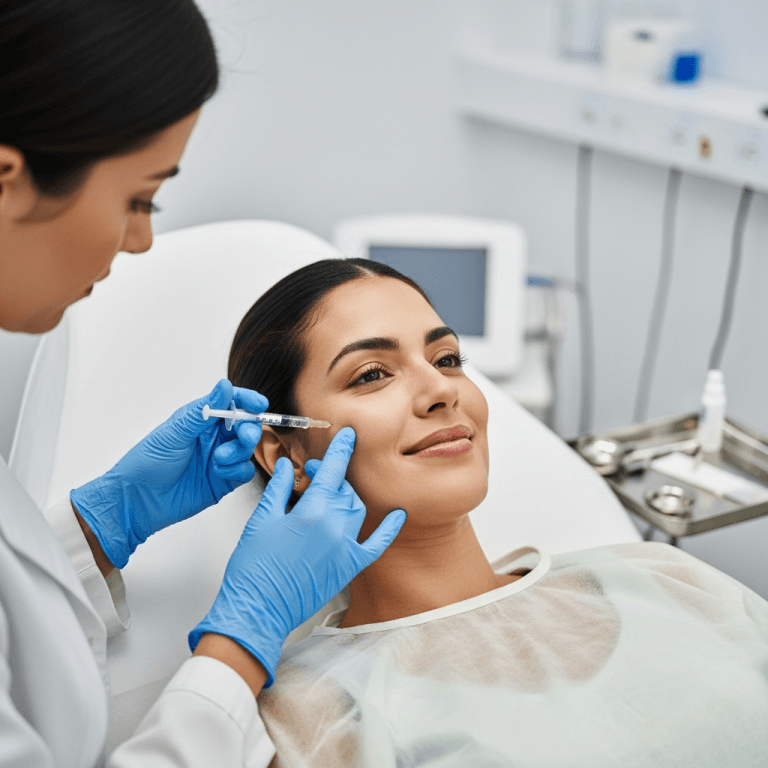
SkinPen microneedling uses medical-grade needles (we’re talking about 0.25 to 2.5 millimeters deep) to create what we call “controlled micro-injuries” across your skin. I know, I know… it sounds completely backwards to intentionally poke holes in your face to make it look better. But stick with me here.
Think of it like renovating an old house. Sometimes you need to tear down the old wallpaper before you can put up something beautiful and new. Your skin works similarly – those microscopic punctures trigger your body’s natural healing response, which kicks collagen and elastin production into overdrive.
The Science That Actually Makes Sense
Here’s where it gets interesting (and honestly, kind of amazing). When those tiny needles create those controlled wounds, your skin essentially panics in the best possible way. It immediately starts sending repair signals throughout the area, flooding it with growth factors, new blood vessels, and fresh collagen.
Collagen is basically your skin’s scaffolding – it’s what keeps everything firm, plump, and smooth. But here’s the thing that’s kind of unfair about aging: we start losing about 1% of our collagen production each year after age 20. By the time you’re in your 40s or 50s, you’ve lost a significant chunk of that structural support.
Microneedling tricks your skin into thinking it needs to rebuild that scaffolding. It’s like telling your body, “Hey, we’ve got some damage here that needs fixing!” And your skin, being the overachiever it is, doesn’t just patch things up – it actually improves on what was there before.
Why SkinPen Specifically
Not all microneedling devices are created equal – and honestly, some of the at-home versions you see online are more wishful thinking than actual treatment. SkinPen is the first FDA-cleared microneedling device, which means it’s gone through rigorous testing for both safety and effectiveness.
The difference is in the precision. SkinPen’s needles are designed to create clean, consistent punctures at exact depths. Those cheap derma rollers you might see at the drugstore? They often create jagged tears in the skin rather than clean punctures, which can actually cause more harm than good.
Plus – and this is important – when you’re getting SkinPen treatment at a medical clinic, the device is properly sterilized, the needles are fresh for each patient, and there’s actual medical oversight. (Trust me, this isn’t the time to go DIY.)
What It Tackles Beyond Just Aging
While we often think of microneedling primarily for anti-aging, it’s actually pretty versatile. Those same healing mechanisms that boost collagen also help with acne scarring, sun damage, enlarged pores, and general skin texture issues.
Acne scars, for instance, are essentially areas where your skin didn’t heal quite right the first time around. Microneedling gives your skin a do-over, encouraging it to rebuild that damaged tissue properly. It’s like giving your skin a second chance to get it right.
The Reality Check You Need
Now, I’d be doing you a disservice if I didn’t mention that microneedling isn’t magic. You’re not going to walk out looking like you’ve had a facelift. What you will get is gradual, natural-looking improvement in your skin’s overall quality and appearance.
The results build over time – usually over a series of treatments spaced about 4-6 weeks apart. Your skin needs time to actually produce all that new collagen, and that process takes months, not days. It’s more like training for a marathon than sprinting to the finish line.
Some people see subtle improvements after just one session, but most of us need 3-6 treatments to really see the full benefits. And here’s something that might surprise you: your skin continues improving for months after your last treatment as that new collagen continues to develop.
It’s not the instant gratification we all secretly want, but it’s the kind of lasting improvement that actually makes a difference in how your skin looks and feels day to day.
What to Actually Expect During Your First Session
Look, I’m going to be honest with you – the internet is full of people saying microneedling “feels like light scratching.” That’s… not entirely accurate. It’s more like a cross between sandpaper and tiny bee stings, if I’m being real with you. But here’s the thing – it’s totally manageable, and most of our patients are surprised by how comfortable they actually are.
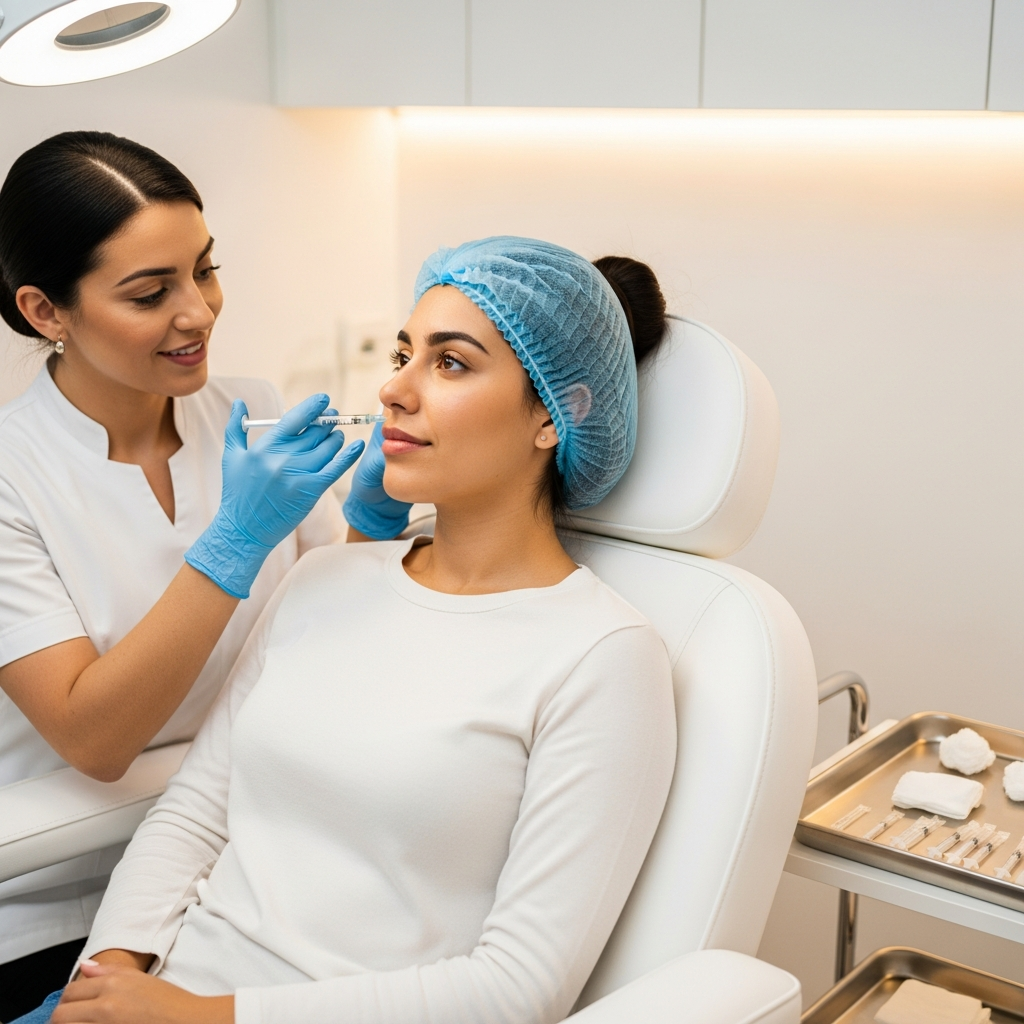
Your practitioner will apply a numbing cream about 20-30 minutes before starting (don’t skip this part). The actual treatment takes maybe 30 minutes, and you’ll hear this gentle buzzing sound – think electric toothbrush, not dental drill. The areas around your nose and forehead might be a bit more sensitive, but honestly? Most people scroll through their phones afterward like nothing happened.
The 48-Hour Window That Makes or Breaks Your Results
This is where most people mess up, and I don’t want that to be you. Those first two days after treatment are absolutely critical – your skin is essentially in repair mode, and what you do (or don’t do) can seriously impact your results.
First 24 hours: Your skin will look like you have a mild sunburn. That’s completely normal and actually a good sign. Do not use any active ingredients – no retinol, no acids, no fancy serums. Just gentle cleanser and a basic moisturizer. I know it’s tempting to “help” the process along, but trust me on this one.
Day two is when things get interesting. You might start to peel slightly – don’t panic, and definitely don’t pick at it. Think of it like a snake shedding its skin… except way less dramatic and much prettier results.
The Products Your Skin Actually Craves Post-Treatment
Here’s where I see people make expensive mistakes. You don’t need a whole new skincare routine – you just need to be strategic about timing. Your freshly needled skin is like a super-highway for product absorption, which sounds great until you realize that also means it’ll absorb things that might irritate it.
Stick with these basics for the first week
– A gentle, fragrance-free cleanser (CeraVe Hydrating works beautifully) – A simple moisturizer with ceramides or hyaluronic acid – Sunscreen – and I mean this religiously, even if you’re just running errands
After about a week, you can slowly reintroduce your usual suspects. Start with vitamin C in the mornings – it actually helps boost collagen production, which is exactly what we want. Wait about two weeks before bringing retinol back into the mix.
When You’ll Actually See Changes (And Why Week 3 is Crucial)
Let me set realistic expectations here because social media has everyone thinking they’ll wake up with baby-smooth skin the next day. That’s… not how skin works.
Week 1: You’re mostly just healing. Don’t judge anything yet. Week 2: You might notice your skin feels smoother, but visually? Maybe not much difference. Week 3: This is when the magic starts happening. Your skin begins producing new collagen, and those fine lines start looking less pronounced.
Most people see their best results around the 4-6 week mark. We always tell patients to take before photos because the changes can be so gradual that you might not notice them day-to-day – kind of like how you don’t realize you need a haircut until someone points it out.
Maximizing Your Investment Between Sessions
If you’re doing a series (which most people need for significant texture issues), there are smart ways to amplify your results between appointments. This isn’t about buying expensive gadgets – it’s about being strategic.
Stay hydrated – I mean really hydrated. Your skin needs water to produce that new collagen effectively. Get a good night’s sleep consistently… I know, I know, easier said than done, but skin repairs itself overnight.
Consider adding a gentle face massage to your routine. Nothing fancy – just use your moisturizer and massage in upward circles for a couple minutes. It increases blood flow and can help with lymphatic drainage.
And here’s something most people don’t think about: your pillowcase matters. Switch to silk or satin if you can – it’s gentler on your freshly treated skin and won’t absorb all your expensive moisturizer overnight.
The bottom line? Microneedling works, but it’s not instant gratification. Think of it as an investment in your skin’s future self – one that pays dividends for months to come.
The Bruising Reality (And Why It’s Actually Normal)
Let’s be honest – nobody warns you about looking like you got into a minor scuffle for the first few days. That redness? It’s not subtle. We’re talking tomato-face territory, and if you’ve got a big presentation or your college reunion coming up, well… that’s going to be a problem.
The thing is, your skin is literally creating thousands of tiny controlled injuries – of course it’s going to look angry! Think of it like this: if you accidentally scraped your knee, you wouldn’t expect it to look perfect the next day, right?
The real solution? Plan backwards from your events. Need to look camera-ready by Friday? Schedule your treatment the previous Monday, not Thursday. Most people see significant improvement by day 3-4, but give yourself a full week buffer. Trust me, your future self will thank you for not trying to cover tomato-skin with concealer at your sister’s wedding.
When Your Skin Gets Worse Before It Gets Better
Here’s what nobody tells you about the “purging” phase – and yes, that’s actually what they call it. Sometimes around day 2-3, you might break out. Small bumps, maybe some congestion you haven’t seen in months. It’s like your skin is having a dramatic teenage moment.
This happens because microneedling brings everything to the surface faster. All those clogged pores and impurities that were hanging out in the deeper layers? They’re getting evicted. It’s actually a good sign that the treatment is working, even though it feels like cosmic punishment for trying to improve your skin.
The key is not to panic and start throwing every product in your medicine cabinet at your face. Stick to gentle cleansing and the aftercare routine your provider gave you. No spot treatments, no “helping” the process along. Your skin is already working overtime – don’t make it multitask.
The Makeup Dilemma (Spoiler: Less is More)
You’re going to want to cover up that redness. Every instinct will scream at you to reach for your full-coverage foundation. Don’t. Just… don’t.
Your skin has thousands of microscopic wounds that need to breathe and heal. Slapping makeup on top is like putting a Band-Aid over a splinter – you’re just trapping problems underneath. Plus, most makeup removal requires rubbing, and your skin is about as tolerant of friction as a sunburn right now.
If you absolutely must wear something (I get it, life doesn’t stop for skincare), use a tinted moisturizer with SPF. Something that can be gently patted – not rubbed – off with a soft cloth. But honestly? Embrace the healing process. Wear it like a badge of honor. You’re literally growing new skin.
The Patience Problem
This might be the hardest part – waiting to see results when you’ve just invested time, money, and temporary tomato-face status into this treatment. We live in an instant-everything world, but your skin didn’t develop texture issues overnight, and it’s not going to fix them that quickly either.
Real improvement typically shows up around the 4-6 week mark. That’s when new collagen starts making a noticeable difference. Some people see changes sooner, others take longer – genetics, age, skin condition, and how well you follow aftercare all play a role.
Here’s what helps: take photos. Not Instagram-ready shots, but honest, same-lighting, same-angle documentation. Week by week, you’ll start noticing changes that your mirror-checking twice daily won’t reveal. It’s like watching grass grow – imperceptible moment to moment, but undeniable over time.
Managing Expectations vs. Reality
The before-and-after photos you see online? They’re real, but they’re also the best possible results. Some people respond dramatically to microneedling. Others see subtle but meaningful improvements. Most fall somewhere in between.
Your skin’s response depends on factors you can’t control – genetics, age, the specific issues you’re treating. What you can control is following aftercare religiously, protecting your investment with daily SPF (seriously, this isn’t optional), and giving the process time to work.
Remember, even “subtle” improvements in skin texture and tone can make a huge difference in how confident you feel. Sometimes it’s not about dramatic transformation – it’s about finally feeling comfortable in your own skin again.
What to Expect After Your First Session
You know that feeling when you’re not sure if what you’re experiencing is normal? Yeah, we get that question a lot with microneedling. Here’s the thing – your skin is going to look a bit… well, let’s call it “temporarily irritated” right after treatment. Think of it like a really mild sunburn that decided to show up uninvited.
Your skin might be red for anywhere from a few hours to about two days. Some people walk out looking like they just had a really enthusiastic facial massage, while others look like they spent a touch too long at the beach. Both are totally normal. You might also notice some tightness – that’s just your skin doing its thing, starting the repair process we’ve triggered.
And here’s something nobody warns you about… you might actually look a bit worse before you look better. I know, I know – not exactly what you want to hear when you’ve just invested in your skin. But around day three or four, some people notice their skin looking a little dull or feeling rough. That’s actually the old, damaged skin preparing to make way for the new stuff underneath.
The Real Timeline (No Sugarcoating)
Let’s talk timelines, because honestly? The beauty industry has done everyone a disservice by promising overnight miracles. Microneedling is more like planting a garden than flipping a light switch.
You’ll probably start noticing subtle changes around the two to three week mark. And I mean subtle – maybe your makeup goes on a little smoother, or someone mentions you look “refreshed” but can’t quite put their finger on why. The real magic happens between weeks 4-6, when your collagen production really hits its stride.
For texture issues – you know, those stubborn acne scars or rough patches – we’re typically looking at three to six sessions spaced about four to six weeks apart. Some people see dramatic improvement after three sessions, others need the full six. It really depends on what we’re working with and how your skin responds.
Tone and pigmentation? That’s often the trickier beast. Sun spots and melasma can be stubborn little things… they’ve had years to set up camp on your face, after all. You might need anywhere from four to eight sessions for significant improvement in discoloration.
Your At-Home Game Plan
The aftercare isn’t complicated, but it is important. Think of your skin like it just finished a really intense workout – it needs the right recovery environment to build back stronger.
For the first 24-48 hours, keep it simple. Gentle cleanser, a good moisturizer, and that’s pretty much it. No actives – and yes, that means putting your retinol and vitamin C serum in timeout for a few days. Your skin has enough to process right now without adding more ingredients to the mix.
Sunscreen becomes non-negotiable – and I mean religiously applying it every two hours if you’re outside. Your skin is essentially rebuilding itself, and UV exposure can seriously mess with that process. Plus, you don’t want to undo all the progress you’re making on those dark spots.
Around day three or four, you can start reintroducing your regular products slowly. But honestly? This is a great time to simplify your routine anyway. Sometimes less really is more.
Managing Your Expectations (The Real Talk)
Here’s what I wish more people understood – microneedling isn’t going to give you completely different skin. It’s going to give you a significantly improved version of the skin you already have. Those deep acne scars? They’ll likely become much less noticeable, but they probably won’t disappear entirely. That melasma you’ve been battling? We can definitely lighten it considerably, but it might never be completely gone.
And you know what? That’s actually pretty amazing when you think about it. We’re essentially convincing your skin to repair years of damage using its own natural processes.
The key is being patient with the process – and with yourself. Some days your skin will look incredible, others it might seem like nothing’s changed. That’s normal. Healing isn’t linear, especially when we’re talking about something as complex as skin regeneration.
Most of our clients find that by their third session, they’re really starting to see the cumulative benefits. And by the end of their treatment series? Well, let’s just say they’re usually pretty happy they stuck with it.
You know what’s funny about skin concerns? We spend so much time looking at ourselves in the mirror – scrutinizing every little bump, every uneven patch – that we sometimes forget other people aren’t examining us with a magnifying glass. But here’s the thing… when you feel good about your skin, it shows. That confidence? It’s magnetic.
SkinPen microneedling isn’t magic (though I’ll admit, watching those tiny channels work their collagen-boosting wonder can feel pretty magical). It’s simply science – your body’s own incredible ability to heal and regenerate, just given a gentle nudge in the right direction. And honestly? That’s way better than magic because it’s real, it’s yours, and it lasts.
What I love most about this treatment is how it meets you where you are. Whether you’re dealing with acne scars that have been bothering you since high school, sun damage from all those pool days (no judgment – we’ve all been there), or just that overall texture that makes your foundation look… well, not quite right. Microneedling doesn’t discriminate. It just gets to work.
The beauty of working with experienced providers here in Richardson – and I mean providers who really know their stuff – is that they understand something crucial: your skin is as unique as your fingerprint. What works for your best friend might not be exactly what you need. Maybe you need deeper penetration for stubborn scars, or perhaps a gentler approach because your skin is more sensitive. A skilled practitioner doesn’t just follow a one-size-fits-all protocol… they actually look at YOU.
And let’s be real for a moment – investing in your skin can feel overwhelming. There are so many options out there, so many promises, so many people telling you what you “should” do. Sometimes the hardest part isn’t the treatment itself, it’s just taking that first step and saying, “Yes, I’m worth this.”
Because you are worth this. You’re worth feeling confident when you catch your reflection unexpectedly. You’re worth that smooth, even texture that makes your morning routine feel a little more luxurious. You’re worth the peace of mind that comes from knowing you’re taking care of yourself.
If you’re sitting here reading this and thinking, “Maybe it’s time…” – trust that instinct. The wonderful thing about a consultation is that there’s no pressure, no commitment beyond a conversation. It’s just you, talking with someone who understands skin, who can look at your specific concerns and help you figure out if microneedling makes sense for your goals and your life right now.
We’re here when you’re ready – whether that’s tomorrow or six months from now. Sometimes the best decisions are the ones we make when we feel supported, when we have all the information, when we know someone’s genuinely in our corner.
Your skin has carried you through everything life has thrown your way. Maybe it’s time to give it a little extra love in return. We’d be honored to help you figure out exactly what that looks like for you.