Allen Medical Spa Anti-Aging Treatments Guide
You catch a glimpse of yourself in the elevator mirror on your way to an important meeting, and there’s that moment – you know the one. When did those lines around your eyes become so… noticeable? Or maybe it happens when you’re scrolling through photos from last weekend’s dinner party, and you can’t help but think your face looks tired even though you felt great that night.
It’s funny how anti-aging sneaks up on us, isn’t it? One day you’re twenty-five and invincible, the next you’re googling “best eye cream” at 2 AM and wondering if those Instagram ads for fancy treatments are actually worth it. And here’s the thing – you’re not vain for caring about this stuff. Despite what some people might say, wanting to look as vibrant as you feel isn’t shallow. It’s human.
But let’s be honest… the world of anti-aging treatments can feel like navigating a maze blindfolded. There are so many options, so many promises, and frankly, so much confusing information out there. You’ve probably found yourself wondering: Do those expensive creams actually work? What’s the difference between Botox and those other injectables everyone’s talking about? And seriously, how do you even know which treatments are legit versus which ones are just marketing hype?
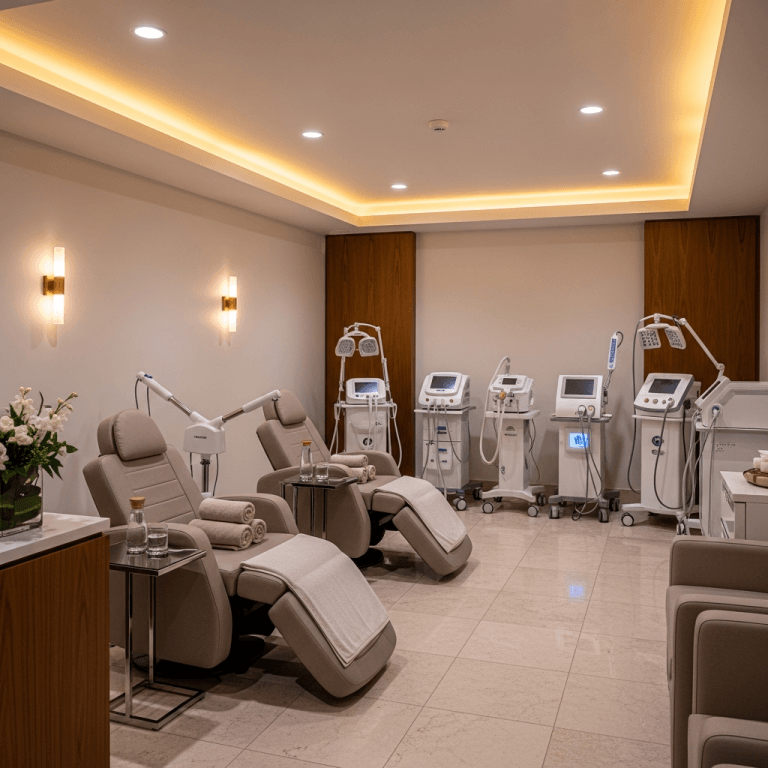
That’s where places like Allen Medical Spa come into the picture. Medical spas – or “med spas” as they’re often called – occupy this interesting sweet spot between your dermatologist’s office and that relaxing day spa you love. They offer real medical treatments (we’re talking FDA-approved procedures here), but in an environment that doesn’t feel sterile or intimidating. Think of it as getting serious results without the hospital vibes.
Now, I know what you might be thinking… “Isn’t this stuff just for celebrities and people with unlimited budgets?” Actually, that’s one of the biggest misconceptions about professional anti-aging treatments. Sure, some procedures require a significant investment, but there are options for different budgets and comfort levels. Plus – and this is important – many treatments last months or even years, so when you break down the cost over time, it’s often less than what you’d spend on high-end skincare products that might not even work.
The truth is, we’re living in something of a golden age for anti-aging treatments. The technology has advanced dramatically (goodbye, frozen-looking faces from the early Botox days), the procedures are safer than ever, and honestly? They’re becoming more mainstream. Your neighbor, your coworker, that friend who always looks amazing – there’s a good chance they’ve had some professional help, they just don’t broadcast it.
What I love about Allen Medical Spa’s approach is that they don’t push the whole “turn back the clock twenty years” fantasy. Instead, they focus on helping you look like the best, most refreshed version of yourself. Think subtle improvements that make people say “you look great” without being able to pinpoint exactly why.
Throughout this guide, we’re going to walk through everything you need to know about their anti-aging menu. We’ll talk about the treatments that actually deliver results (spoiler: not everything with fancy marketing works), what to expect during and after procedures, and – perhaps most importantly – how to figure out what’s right for your specific concerns and lifestyle.
We’ll cover the classics like Botox and dermal fillers, but also some of the newer technologies that are generating serious buzz. Things like radiofrequency treatments, laser therapies, and combination approaches that work together to address multiple signs of aging at once. And don’t worry – we’ll explain everything in plain English, no medical jargon required.
Because here’s what I’ve learned after years of writing about this stuff: the best anti-aging treatment isn’t necessarily the most expensive or the most popular. It’s the one that fits your goals, your timeline, and yes, your budget. The one that makes you feel confident walking out the door each morning, knowing you look as good as you feel.
Ready to demystify the world of professional anti-aging treatments? Let’s get started…
The Science Behind Why We Age (And Why It’s Not Your Fault)
Let’s be honest – aging feels like a betrayal sometimes, doesn’t it? One day you’re bouncing back from late nights and questionable food choices, and suddenly… well, suddenly your skin has opinions about everything you put it through.
Here’s what’s actually happening under the hood. Think of your skin like a well-loved sweater. When it’s new, all those fibers are tight and organized – that’s your collagen and elastin working overtime. But time, sun exposure, and life stress? They’re like tiny snags that gradually loosen the weave. By our thirties, we’re losing about 1% of our collagen each year. That’s not a flaw in the system – it’s just how sweaters… I mean, how bodies work.
The confusing part? Some people seem to age like fine wine while others feel more like milk left in the sun. Genetics play a huge role (thanks, Mom and Dad), but so do things you can actually control – sun protection, sleep, stress management, and yes, what you eat.
What Anti-Aging Treatments Actually Do
Here’s where it gets interesting. Modern anti-aging treatments aren’t about stopping time – they’re about giving your skin better tools to do its job.
Think of treatments like Botox as pressing the pause button on repetitive muscle movements that create wrinkles. You know how you get permanent creases in paper when you fold it the same way repeatedly? Same concept, except we can actually prevent those creases from setting in stone.
Dermal fillers work differently – they’re more like adding stuffing back to a deflated cushion. As we age, we lose volume in specific areas (hello, under-eye hollows), and fillers strategically restore that structure. It’s not about changing your face; it’s about giving you back what time borrowed.
Laser treatments and chemical peels? Those are your skin’s personal trainers. They create controlled micro-injuries that force your skin to build new, healthier cells. Counterintuitive, right? We’re essentially tricking your skin into thinking it needs to repair itself… because it does.
The Overwhelming Menu of Options
Walk into any medical spa and you’ll face what I call the “Cheesecake Factory problem” – too many choices, each sounding more appealing than the last.
You’ve got your injectables (Botox, Dysport, various fillers), your energy-based treatments (lasers, radiofrequency, ultrasound), chemical peels ranging from “gentle refresh” to “hide indoors for a week,” and newer players like microneedling and PDO threads.
The truth is, most people don’t need everything on the menu. A good provider should be like a personal stylist – they’ll look at your specific concerns, lifestyle, and goals, then create a plan that makes sense for you. If someone’s pushing you toward the most expensive treatment right off the bat… well, that’s a red flag worth paying attention to.
Why Timing Matters More Than You Think
Here’s something that might surprise you – the best time to start anti-aging treatments isn’t when you desperately need them. It’s before you think you do.
Starting Botox in your late twenties or early thirties isn’t vanity – it’s prevention. Like wearing sunscreen or using a good moisturizer, you’re investing in your future self. Those crow’s feet that haven’t appeared yet? Much easier to prevent than to smooth out later.
That said, it’s never too late to start. People in their sixties can see real improvement too. The key is having realistic expectations and understanding that dramatic changes happen gradually, not overnight.
The Investment Reality Check
Let’s talk money – because pretending these treatments are cheap helps no one. Quality anti-aging treatments are an investment, and like most investments, you get what you pay for.
But here’s what I’ve learned: it’s often more cost-effective to do things right the first time than to fix mistakes later. That “too good to be true” Groupon deal might end up costing you more in corrections and stress than going to a reputable provider from the start.
Most good clinics offer packages or membership programs that make treatments more accessible. Think of it like a gym membership for your face – regular, smaller investments that add up to significant results over time.
What to Expect During Your First Consultation (and How to Make It Count)
Here’s the thing about anti-aging consultations – they’re not just about getting a sales pitch. The best providers will spend at least 30 minutes really looking at your skin, asking about your lifestyle, and understanding what bothers you most when you look in the mirror.
Come prepared with photos of yourself from 5-10 years ago. I know, I know… it feels a bit masochistic, but these reference points help your provider understand how your face has changed and what’s realistic to achieve. Also, bring a list of any medications or supplements you’re taking – even that fish oil can affect certain treatments.
Pro tip: Schedule your consultation for late afternoon if possible. Your skin looks different after a full day of life – makeup settling, natural oils emerging, expressions creating their temporary lines. This gives your provider the most honest canvas to work with.
The Golden Timeline – When to Start What
Twenty-somethings, listen up. Those “baby Botox” appointments aren’t just Instagram trends – starting with tiny amounts of neuromodulators in your late twenties can actually prevent deeper lines from forming. Think of it like maintaining your car instead of waiting for the engine to blow.
But here’s where it gets tricky… if you’re in your thirties, you’re in the sweet spot for combination treatments. Maybe some Botox for those eleven lines between your brows, plus a gentle laser treatment for texture. Your skin still bounces back beautifully at this age.
Forties and beyond? This is when layering becomes crucial. You might need that deeper chemical peel followed by microneedling a month later, then maintenance Botox every three months. It’s not about doing everything at once – it’s about creating a strategic plan that builds on itself.
Timing Your Treatments Like a Pro
Never – and I mean never – try a new treatment right before a big event. We’ve seen too many people show up to weddings looking like they wrestled with a beehive because they got their first chemical peel two days before the ceremony.
Here’s your timeline cheat sheet: Botox needs 3-5 days to settle, but can take up to two weeks to show full results. Chemical peels? Give yourself 7-10 days of looking a bit crispy. Laser treatments can leave you red for anywhere from a few hours to a week, depending on intensity.
Secret scheduling hack: Book your more aggressive treatments (deeper peels, laser resurfacing) for Thursday or Friday, so you can hide at home over the weekend. And always – always – have a good concealer and some gentle moisturizer on standby.
Managing Expectations (Because Instagram Isn’t Reality)
Those dramatic before-and-after photos you see? Often taken months apart, with different lighting, and sometimes different makeup techniques. Real anti-aging results are usually subtle and cumulative.
Your coworker probably won’t say “Wow, you look different!” Instead, they might comment that you look well-rested, or ask if you’ve been on vacation. That’s actually the sweet spot you’re aiming for – looking like the best version of yourself, not like you’ve had work done.
Building Your Personal Protocol
Start simple. Really. We’ve seen people jump into big treatment packages on their first visit, only to realize they hate the downtime or the results aren’t what they imagined.
Begin with one treatment – maybe Botox for those crow’s feet that bother you every morning, or a series of gentle chemical peels for overall glow. Live with it for a few months. See how your skin responds, how you feel about the maintenance, whether it fits your lifestyle.
Then add another piece to the puzzle. Maybe some dermal filler for volume loss, or switch to a more aggressive peel. Building your routine gradually also spreads out the cost… because let’s be honest, this stuff adds up quickly.
The Maintenance Reality Check
Here’s what no one tells you upfront – once you start, you’ll probably want to keep going. Not because you’re addicted or vain, but because you’ll love how confident you feel.
Botox lasts about 3-4 months. Fillers can last anywhere from 6 months to 2 years depending on the product and placement. Chemical peels and lasers? The results fade gradually, so most people do maintenance treatments every 3-6 months.
Budget for this reality from the beginning. It’s better to start with fewer treatments you can maintain consistently than to go all-out initially and then stop abruptly because your wallet can’t keep up.
The Reality Check: What Nobody Tells You About Starting Anti-Aging Treatments
Let’s be honest – you’ve probably spent hours researching treatments online, maybe even driven by the spa a few times without going in. That’s totally normal. Starting anti-aging treatments isn’t just about the physical stuff… it’s this whole mental game that catches most people off guard.
The biggest thing we hear? “I don’t know where to start.” You’re looking at Botox, dermal fillers, laser treatments, chemical peels – and suddenly it feels like trying to order at a restaurant where everything’s in a language you don’t speak. Here’s what actually helps: forget about creating some master plan. Book a consultation and just… talk. Our providers aren’t trying to sell you a dozen treatments on day one. They’re trying to figure out what bothers YOU most when you look in the mirror.
The Money Talk (Because We’re All Thinking It)
Nobody likes surprises on their credit card statement. Anti-aging treatments aren’t exactly impulse purchases, and the costs can add up faster than your Netflix subscriptions.
Here’s the thing – you don’t have to do everything at once. Actually, you shouldn’t. Start with what bugs you most. Maybe it’s those lines around your eyes that make you look tired even when you’re not. Address that first. See how you feel. Then decide what’s next.
We’ve found that people who try to tackle everything immediately often end up feeling overwhelmed – both financially and emotionally. It’s like renovating your entire house when maybe you just needed to paint the kitchen. Better to spread treatments out over several months anyway… your face (and your bank account) will thank you.
The “What Will People Think?” Spiral
Oh, this one’s huge. You’re worried your coworker will notice you look different. Or your sister will make some comment. Or – worst case scenario – you’ll end up looking “overdone” like that person on social media who went too far.
The truth? Most people won’t notice good work. They’ll just think you look rested, or ask if you’ve been working out, or wonder if you changed your skincare routine. The goal isn’t to look like a different person – it’s to look like yourself, just… refreshed.
Start conservatively. You can always add more, but you can’t really take it back (well, not easily). And here’s something that might surprise you – the providers at reputable places like Allen Medical Spa? They want you to look natural too. Their reputation depends on it.
The Recovery Reality
Instagram makes everything look easy. Get Botox on your lunch break! Back to normal immediately! Well… sort of.
Yes, most treatments have minimal downtime. But “minimal” doesn’t mean “zero.” You might have some swelling after fillers. Your skin might be red after a laser treatment. Sometimes you’ll have tiny bruises that concealer can handle, but they’re still there.
Plan accordingly. Don’t schedule your first treatment the day before your high school reunion. Give yourself a buffer. And honestly? Have some good concealer on hand. It’s not vanity – it’s just smart planning.
When Results Don’t Match Expectations
This is the hard one. You had this vision in your head – maybe from a before-and-after photo you saw online – and your results are… different. Not bad, necessarily, just not what you pictured.
First: give it time. Botox takes up to two weeks to fully settle. Fillers can take a month. Your skin needs time to heal and show its true results after laser treatments.
Second: communicate with your provider. They can’t read your mind (shocking, I know). If something doesn’t look right after the healing period, speak up. Good providers want you to be happy with your results – it’s how they build their practice.
The Addiction Worry
“What if I can’t stop?” It’s a legitimate concern. Some people do get carried away, chasing an impossible standard of perfection.
The safeguard? Work with providers who’ll tell you “no.” Seriously. If someone’s willing to do whatever you ask without question, that’s actually a red flag. You want someone who’ll push back when you’re asking for too much, who understands facial anatomy and knows when enough is enough.
Set boundaries for yourself upfront. Decide on a budget – both financial and aesthetic. And remember, the goal is enhancement, not transformation.
What to Expect (And When to Actually Expect It)
Let’s get real about timelines – because honestly, the biggest disappointment comes from unrealistic expectations. You’re not going to walk out looking like you’ve reversed twenty years overnight. That’s not how this works, and anyone telling you otherwise is probably selling something.
Most treatments need time to work their magic. Botox? You’ll start seeing results in about 3-5 days, but the full effect takes up to two weeks. We always tell clients to wait the full two weeks before deciding if they need a touch-up. It’s like watching grass grow – patience isn’t exactly fun, but it’s necessary.
Dermal fillers are more immediate, which is nice… but here’s the thing nobody mentions: you’ll probably look a bit puffy for the first few days. That’s totally normal. Your face is basically saying “what the heck just happened?” and needs time to settle. The real results show up after about a week when the swelling goes down and everything finds its place.
Chemical peels are their own adventure. The first few days? You might look like you’ve got a mild sunburn. Then comes the peeling phase – and yes, it’s exactly what it sounds like. Don’t pick at it (I know, easier said than done). The fresh, glowing skin underneath is worth the temporary weirdness.
The Reality Check Nobody Talks About
Here’s what I wish more people understood: anti-aging treatments are more like… maintaining a garden than performing magic tricks. You plant seeds, water regularly, and gradually see improvements. It’s not a complete transformation – it’s enhancement.
Some days you’ll look in the mirror and think “wow, this is amazing!” Other days? You might wonder if you’re imagining the results. That’s completely normal. Our faces change daily based on sleep, hydration, stress, lighting… even the weather affects how we look.
And let’s talk about the elephant in the room – you’re still going to age. These treatments slow things down, they smooth things out, they give you back some of what time has taken away. But they’re not stopping time itself. Think of them as really good maintenance for your face.
Your First Few Weeks: A Realistic Timeline
Week one is all about healing and settling. Don’t make any major decisions about “needing more” during this time. Your skin is still figuring things out.
Week two to four – this is usually when you start seeing what we call the “real results.” The initial swelling is gone, your skin has adjusted, and you can actually evaluate how things look.
Month two and beyond? This is when you’ll really know if you’re happy with your choice. Some treatments, like certain laser therapies, keep improving for months as your skin builds new collagen.
Planning Your Next Steps
Most people don’t do everything at once – and honestly, that’s probably smart. Your face needs time to recover, and you need time to see how you feel about each treatment.
Start with one thing. Maybe it’s Botox for those forehead lines that bug you most, or a small amount of filler in your nasolabial folds. See how it goes. How does it feel? How do you like the results? What would you want to adjust next time?
This isn’t a race. I’ve had clients who space their treatments months apart, building gradually toward their goals. Others prefer to do several things in one session and then maintain. There’s no wrong approach – just what works for your face, your budget, and your comfort level.
Maintenance: The Long Game
Here’s something nobody tells you upfront – this isn’t a one-and-done situation. Botox lasts about 3-4 months. Fillers might give you 6-18 months depending on the type and location. Skin treatments… well, your skin keeps aging, so periodic touch-ups help maintain results.
Think of it like getting your hair done or going to the dentist. It becomes part of your routine if you want to maintain the results. Some people love having something to look forward to every few months. Others find the ongoing commitment annoying.
The key is going into this with your eyes wide open about what “maintenance” actually means – both in terms of time and money. Because the last thing you want is to love your results but feel trapped by the upkeep.
Your provider should give you a realistic timeline for your specific treatments and help you plan a maintenance schedule that makes sense for your life.
You know what? Aging doesn’t have to feel like something that just happens *to* you. It can be something you actively participate in – gracefully, confidently, and on your own terms.
We’ve covered a lot of ground here, from the science behind why our skin changes to the innovative treatments that can help us look and feel our best. But here’s the thing that matters most: this isn’t about chasing some impossible standard of perfection or trying to stop time completely. It’s about feeling comfortable in your own skin… literally.
Maybe you’re sitting there thinking, “This all sounds great, but where do I even start?” That’s totally normal. The world of anti-aging treatments can feel overwhelming – like walking into a foreign country where everyone speaks a language you don’t quite understand yet. One day you’re googling “best anti-aging cream” and the next you’re trying to figure out the difference between Botox and fillers, wondering if you’re too young to start or if you’ve waited too long.
Finding Your Path Forward
The beautiful thing about modern anti-aging treatments is that there’s no one-size-fits-all approach. Your skin is as unique as your fingerprint, and your treatment plan should be too. Whether you’re dealing with those first few lines that appeared seemingly overnight (how does that even happen?), sun damage from your beach-loving twenties, or more advanced signs of aging that have been gradually making themselves at home on your face – there’s something that can help.
Some of you might be ready to explore more advanced treatments like laser resurfacing or dermal fillers. Others might want to start with a good skincare routine and maybe some gentle chemical peels. Both approaches are completely valid. The key is working with professionals who listen to what you want and help you create a realistic plan that fits your lifestyle and budget.
You Don’t Have to Figure This Out Alone
Here’s what I’ve learned from talking to countless people about their anti-aging concerns: the biggest mistake is trying to navigate this alone. You wouldn’t attempt to fix your car’s transmission by watching YouTube videos (well, I hope you wouldn’t), so why try to create your own anti-aging strategy without expert guidance?
The team at Allen Medical Spa has seen it all – every skin type, every concern, every budget consideration. They understand that behind every question about treatments is a real person with real hopes about how they want to look and feel. They’re not going to pressure you into treatments you don’t need or want. Instead, they’ll help you understand your options and make decisions that feel right for you.
If you’re ready to explore what’s possible for your skin, or even if you’re just curious and want to ask some questions without any pressure, why not reach out? A simple consultation can help clarify so much. You might discover that what you thought would be complicated is actually quite straightforward, or that there are options you hadn’t even considered.
Your future self – the one looking in the mirror six months from now – will thank you for taking that first step. And honestly? That step doesn’t have to be scary. It can just be… hopeful.