How Long Do Dermal Fillers Last When Done in Allen?
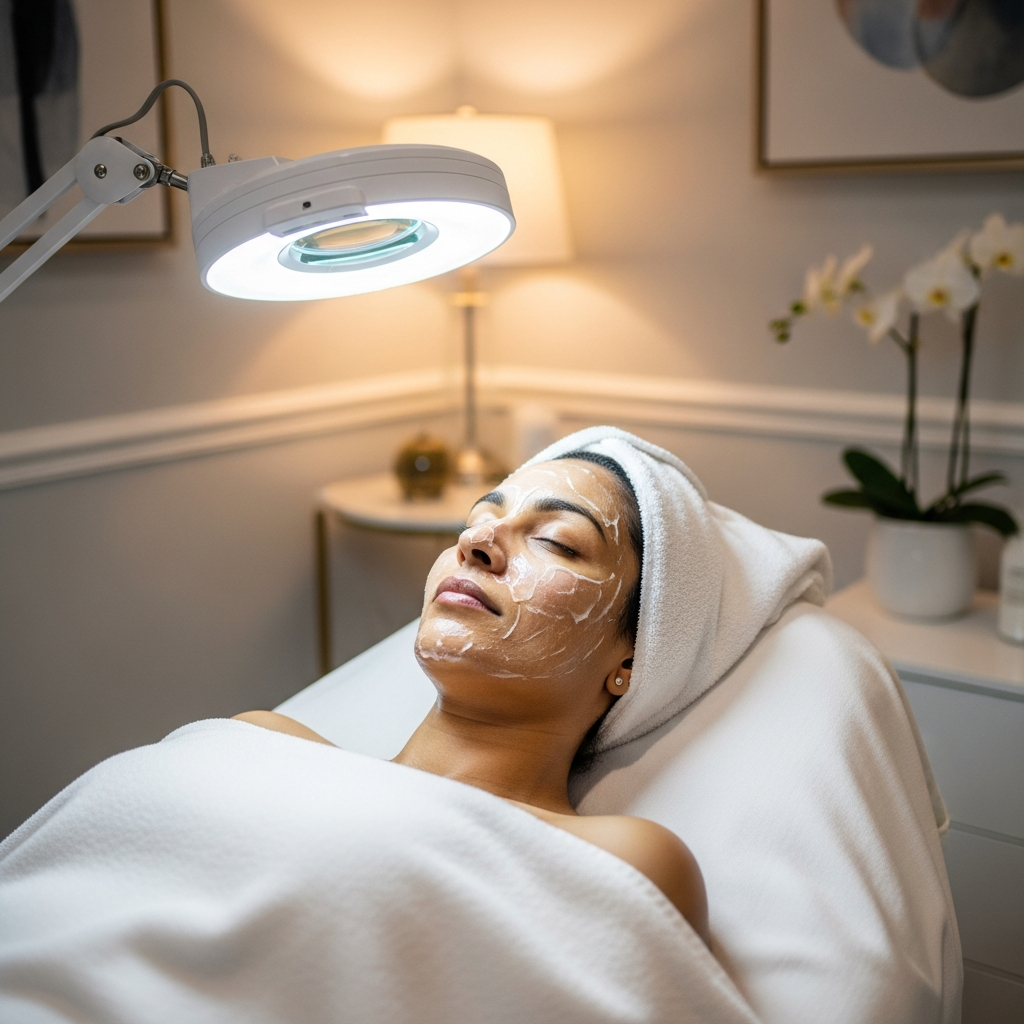
You’re running late for a lunch date, rushing through your morning routine, when you catch a glimpse of yourself in the bathroom mirror. There it is again – that nagging thought that’s been creeping up more often lately. When did those lines around your eyes become so… noticeable? And is it just you, or does your face look a little more tired, a little less full than it used to?
If you’re nodding along right now, you’re definitely not alone. I see patients in our Allen clinic every week who describe that exact moment – the mirror moment that made them seriously consider dermal fillers for the first time. But here’s the thing that always comes up in our consultations (and honestly, it’s probably the question I get asked most): “Okay, but how long will these actually last? Because I’m not looking to sign up for something I’ll need to redo every few months.”
Smart question. Really smart.
Because let’s be honest – you’re busy. Between work deadlines, family obligations, and trying to squeeze in some semblance of a social life, the last thing you need is another high-maintenance beauty routine. You want results that actually stick around for a while… but you also don’t want to commit to something permanent before you know how you’ll feel about it.
And then there’s the practical side of things. You’re probably wondering about the financial commitment too – because quality dermal fillers aren’t exactly a clearance-sale purchase. If you’re going to invest in this, you want to know you’re getting real value. That means understanding not just how long different types of fillers last, but what factors might make them last longer or shorter for *you* specifically.
Here in Allen, I’ve noticed something interesting. Patients often come in with completely different expectations about filler longevity – some think they’ll need touch-ups every few months (yikes), while others assume it’s a one-and-done deal for years. The reality? It’s somewhere in between, and it depends on quite a few factors that most people don’t even think about.
Your metabolism, for instance. The area you’re treating. Your lifestyle choices. Even the specific type of filler we use – because yes, there are different types, and they each have their own timeline. Some patients are surprised to learn that the filler we use for lip enhancement might have a completely different lifespan than what we’d use for cheek volume.
Actually, that reminds me of a conversation I had with a patient just last week. She’d been putting off getting fillers for over a year because she was convinced she’d need to come back every three months. Turns out, with the right approach for her specific concerns, we mapped out a timeline that worked much better with her schedule and budget than she’d expected.
That’s what I want to share with you today – the real story about filler longevity, not the oversimplified version you might find in a quick Google search. We’ll talk about the different types of fillers available here in Allen and how long you can realistically expect each one to last. More importantly, we’ll cover the factors that can influence those timelines… because understanding what affects filler longevity means you can actually do things to help your results last longer.
You’ll also learn about the signs that it’s time for a touch-up (hint: it’s usually more gradual than you might think), and how to plan your maintenance schedule in a way that actually fits your life. No judgment here – some people love coming in for quarterly tweaks, while others prefer a more hands-off approach with longer-lasting options.
By the time we’re done, you’ll have a much clearer picture of what to expect, how to budget for it, and most importantly – whether dermal fillers are the right choice for your lifestyle and goals. Because the best cosmetic decision is always an informed one… especially when it comes to your face.
What Exactly Are Dermal Fillers Anyway?
Think of dermal fillers like temporary scaffolding for your face. You know how construction workers put up those metal frameworks to support a building while they’re working on it? Fillers do something similar – they provide structure and volume where time (or genetics) has taken it away.
But here’s where it gets interesting… not all fillers are created equal. It’s like comparing a paper airplane to a commercial jet – they both fly, but that’s about where the similarities end.
Most fillers used today are made from hyaluronic acid, which sounds scary but is actually something your body already makes naturally. Think of it as your skin’s built-in moisturizer and plumping agent. The stuff we inject is just a more concentrated, gel-like version that hangs around longer than what your body produces on its own.
The Great Disappearing Act (And Why It Happens)
Here’s something that surprises a lot of people – fillers aren’t permanent. They’re more like houseguests who eventually pack up and leave. Your body gradually breaks them down and absorbs them, kind of like how sugar dissolves in coffee… just much, much slower.
This breakdown process is actually pretty clever. Your body has these little cellular housekeepers called enzymes that nibble away at the filler over time. It’s not dramatic – you won’t wake up one morning looking completely different. It’s more like watching your garden fade from summer into fall. Gradual. Natural.
The speed of this process? Well, that’s where things get complicated…
Location, Location, Location
You’ve heard this phrase in real estate, right? Well, it applies to fillers too. Where you get your filler makes a huge difference in how long it sticks around.
Areas that move a lot – like around your mouth or lips – are basically hosting a 24/7 dance party. All that talking, eating, laughing, and kissing means the filler gets worked out faster. It’s like trying to build a sandcastle during high tide.
Meanwhile, areas that are more… let’s say “chill”… like your cheeks or under-eye area, tend to hold onto filler longer. Less movement means less breakdown. Think of it as the difference between a busy highway and a quiet country road – the wear and tear just isn’t the same.
Your Body’s Personal Timeline
This is where things get really individual. Some people are like those friends who can eat pizza every day and never gain weight – their bodies just process things differently. Others might find their fillers last longer than expected.
Age plays a role too, though not always the way you’d think. Younger skin tends to have better circulation, which can actually mean faster breakdown. But older skin might have less collagen support, so fillers might not integrate as well. It’s… honestly kind of confusing, even for those of us in the field.
Your metabolism matters too. If you’re someone who burns through everything quickly – maybe you’re that person who needs coffee every two hours just to function – you might find your fillers don’t stick around as long as the textbook says they should.
The Allen Factor
Living in Allen specifically brings its own considerations. The Texas climate – with all that sunshine and heat – can affect your skin in ways that influence filler longevity. UV exposure breaks down hyaluronic acid faster (yet another reason to love that SPF).
Plus, let’s be honest about Texas culture – we’re active people. Whether it’s hiking at Watters Creek or keeping up with youth sports schedules, all that activity and sweating can impact how your body processes fillers.
The good news? Experienced providers in Allen understand these local factors. They’ve seen how fillers behave in our specific climate and lifestyle. It’s like having a local weather forecaster versus relying on a national app – the local knowledge just hits different.
Setting Realistic Expectations
Here’s what I wish someone had told me when I first started learning about fillers – those “lasts 12-18 months” claims you see everywhere? They’re averages. Averages based on controlled studies with specific parameters.
Real life is messier. Your results might last 8 months. They might last 20 months. Both are completely normal, and neither means something went wrong. It’s just your unique biology doing its thing.
Making Your Fillers Go the Distance
Here’s what most people don’t realize – how you treat your face in those first 48 hours can literally make or break your results. We’ve seen clients who followed aftercare religiously keep their lip fillers looking fresh for 18 months, while others… well, let’s just say they were back in our Allen office asking for touch-ups way sooner than expected.
Skip the wine tonight (I know, I know), avoid intense workouts for two days, and resist the urge to massage those newly plumped areas. Your filler needs time to settle into its new home, and poking at it is like rearranging furniture while the glue’s still wet.
The Hydration Secret Nobody Talks About
Want to know something that’ll blow your mind? Hyaluronic acid fillers are basically moisture magnets. The better hydrated you stay, the plumper and more natural they look – and the longer they stick around.
I’m talking about drinking water, yes, but also using a good hyaluronic acid serum on top. Think of it as feeding your fillers from both inside and out. One client told me she started carrying a water bottle everywhere after her cheek fillers, and six months later, people were asking if she’d had “work done” because her skin looked so good.
Actually, that reminds me – those fancy hydrating facials? They’re not just Instagram fluff when you have fillers. A gentle HydraFacial every 6-8 weeks can help maintain that fresh-faced glow and potentially extend your results.
Sun Protection Is Make-or-Break
This is where I get a little preachy, but stick with me. UV damage doesn’t just age your skin – it literally breaks down the structure of your fillers. I’ve watched beautiful lip work from our Allen clinic fade way too quickly on clients who thought they could skip the SPF.
Use SPF 30 minimum, every single day. Even in winter. Even when it’s cloudy. Even when you’re just running errands. Those quick trips to Target? They add up.
Timing Your Touch-Ups Like a Pro
Here’s the insider secret most clinics won’t tell you upfront – maintenance is everything, but timing is crucial. Don’t wait until your fillers completely disappear to book your next appointment.
The sweet spot? When you notice about 20-30% reduction in volume. Usually that’s around the 8-10 month mark for most areas, though lips tend to need attention closer to 6 months. Why? Because maintaining some foundation makes each subsequent treatment last longer and look more natural.
Think of it like painting your house – you don’t wait until the paint is completely peeling off, right?
Product Choice Matters More Than You Think
Not all fillers are created equal, and honestly, this is where having an experienced injector in Allen makes all the difference. Juvederm Voluma in your cheeks can easily last 18-24 months, while Restylane Silk in your lips might need refreshing every 6-9 months.
But here’s what’s interesting – some people are “fast metabolizers.” If you burn through caffeine quickly or tend to heal from injuries super fast, you might process fillers more rapidly too. Don’t take it personally if your friend’s results last longer than yours.
The Movement Factor
Your face is constantly in motion – talking, laughing, chewing, expressing emotions. Areas that move more (hello, lips and nasolabial folds) naturally break down fillers faster than relatively static areas like your temples or upper cheeks.
This doesn’t mean you should stop smiling! But it does explain why that gorgeous lip work might need attention before your cheek enhancement does.
Building Relationships, Not Just Appointments
Here’s something that might surprise you – staying loyal to one skilled injector often leads to better, longer-lasting results. They get to know your face, understand how you respond to different products, and can fine-tune techniques specifically for you.
Plus, many Allen practices offer loyalty programs or package deals for regular clients. It’s not just about saving money (though that’s nice) – it’s about building a long-term plan for your face that actually works.
The bottom line? Fillers aren’t a one-and-done deal, but with the right approach, you can maximize every dollar spent and keep looking like the best version of yourself for months longer than you might expect.
When Fillers Don’t Last as Long as You Expected
Let’s be real – you walk out of that appointment feeling amazing, thinking you’ve got months of gorgeous results ahead of you. Then three weeks later, you’re squinting in the mirror wondering if they’ve already started disappearing.
Here’s what’s actually happening… and why it’s probably not what you think.
Your face moves. A lot. Every smile, laugh, and (let’s be honest) stressed-out frown is working those muscles. If you got lip fillers and you’re someone who talks with their hands – and mouth – constantly, you might notice results fading faster than your friend who’s naturally more reserved. It’s not fair, but it’s physics.
The solution? Don’t change who you are, but maybe ease up on the aggressive lip scrubbing and cut back on drinking through straws for the first few weeks. Those repetitive motions can break down the filler faster than you’d expect.
The Bruising and Swelling Reality Check
Nobody warns you enough about this part. You see those perfect “after” photos on Instagram, but they don’t show you day three when you look like you went a few rounds with a heavyweight boxer.
The worst part? That swelling is actually making your results look better temporarily. So when it goes down (usually around day 5-7), you might panic thinking the filler disappeared. It didn’t – you’re just seeing your actual results for the first time.
This is especially tough with lip fillers. One side might swell more than the other, making you convinced something went wrong. Then the swelling evens out and suddenly you’re second-guessing everything.
What actually helps: Ice really does work, even though it’s annoying. And here’s something most people don’t know – sleeping slightly elevated for the first few nights can make a huge difference. Stack an extra pillow under your head. Your face will thank you.
The “Did My Filler Move?” Panic
This one gets almost everyone. You wake up one morning and swear your cheek filler shifted overnight, or your lip enhancement looks lopsided. You start poking and prodding (don’t do this, by the way), comparing photos from every possible angle.
Most of the time, nothing moved. Your face just… changes throughout the day. Hormones, salt intake, how much water you drank, even the weather can affect how your face looks. Add in the fact that you’re now hyper-aware of every millimeter of your face, and it’s a recipe for overthinking.
The reality check: Take photos at the same time of day, in the same lighting, from the same angle. That 7 AM bathroom mirror selfie is going to look different from your 3 PM office lighting pic no matter what.
When Touch-Ups Feel Never-Ending
Here’s where things get tricky financially and emotionally. You go in for your first touch-up at six months, feeling good about maintaining your results. Then you need another one at four months. Then three months…
What’s happening? Sometimes it’s just bad luck – your metabolism is particularly good at breaking down hyaluronic acid. But often, it’s because you’re chasing that “fresh filler” look instead of accepting how your results naturally settle.
Those first few weeks after getting fillers? That’s not actually how you’re supposed to look long-term. But our brains latch onto that slightly over-filled appearance as the “right” look. So when things settle to a more natural state, we convince ourselves we need more.
The honest solution: Talk to your injector about setting realistic expectations upfront. Ask to see photos of their work at the 3-month mark, not just immediately after. And consider whether you’re trying to maintain results that were never meant to be permanent.
Managing the Investment Stress
Let’s talk money because nobody else will. Dermal fillers add up fast, especially when you’re maintaining multiple areas. That stress about cost can actually make you scrutinize your results more critically, which creates its own problems.
You start calculating cost per month, comparing your face to people who might be spending twice as much (or half as much), and generally making yourself miserable over something that was supposed to make you feel better.
A different approach: Set a realistic annual budget for maintenance before you start. Factor in touch-ups, because they’re not optional – they’re part of the process. And remember, you can always adjust your approach. Maybe alternate years focusing on different areas, or extend time between appointments by mixing in other treatments.
The key is being honest with yourself about what you can sustain, both financially and emotionally. Because stress about your fillers lasting long enough will absolutely make you enjoy them less.
Setting Realistic Expectations (Because Nobody Likes Unpleasant Surprises)
Here’s the thing about dermal fillers – they’re not magic, and anyone who tells you otherwise is probably trying to sell you something. What they *are* is pretty darn effective at smoothing things out and adding volume where time has… well, where time has done its thing.
Most people walk out of their appointment looking good, but not dramatically different. You know that friend who got work done and everyone’s whispering “she looks amazing, but I can’t figure out what she had done”? That’s the goal. The swelling goes down over a few days, everything settles into place, and by two weeks out, you’re seeing your results.
But here’s what nobody talks about enough – you might not love it immediately. We’ve seen clients panic on day three because one side looks different (hello, asymmetrical swelling), or they’re convinced they look “fake” when really, they just need time to get used to their refreshed face. Your brain needs a minute to catch up with the changes, even subtle ones.
The other reality check? Touch-ups happen. Even with the most skilled injector in Allen – and trust me, there are some fantastic ones – you might need a little adjustment at your two-week follow-up. It’s not a failure; it’s fine-tuning.
What Happens as Time Goes On
Those gorgeous lip fillers that had you taking selfies at month three? They’ll start looking more subtle around month six. The cheek fillers that gave you those perfect contours? They’re doing their job, but by month eight or nine, you might catch yourself thinking “hmm, maybe I need a touch-up.”
This gradual fade is actually a feature, not a bug. Your body slowly metabolizes the hyaluronic acid, which means no sudden cliff where you wake up looking dramatically different. It’s more like watching the tide go out – so gradual you don’t really notice until you compare photos.
Some people try to stretch their fillers longer than recommended, hoping to save money. I get it – this stuff isn’t cheap. But here’s what usually happens: you wait too long, lose most of the volume, and then need more filler to get back to where you were. It’s like letting your car run completely out of gas instead of filling up when you hit a quarter tank.
Planning Your Next Appointment
Most practices in Allen will want to see you back in 6-12 months, depending on what you had done and how your body processes the filler. Lips? Probably closer to six months. Cheeks or temples? You might stretch it to ten or twelve.
But here’s the insider tip – book your next appointment before you think you need it. Not because they’re trying to upsell you (okay, maybe some are), but because good injectors get booked up, especially during certain times of year. Nobody wants to be scrambling for an appointment when they’re heading into wedding season or the holidays looking less than their best.
Some clinics offer maintenance packages or loyalty programs that can help with the cost. It’s worth asking about – these treatments add up, and practices know that happy long-term clients are their bread and butter.
The Long Game Strategy
Think of fillers like a good skincare routine – consistency is key. People who maintain their results with regular touch-ups often find they need less product over time to maintain their look. It’s like your face gets “trained” to look a certain way.
And honestly? Most people become more conservative with their filler choices as they go along. That first appointment might be all about dramatic lips, but by round three, you’re probably focusing on subtle enhancement and prevention.
The clients who are happiest long-term are the ones who view this as ongoing maintenance rather than a one-and-done treatment. They budget for it, they plan for it, and they’re not surprised when their injector recommends a touch-up.
Remember – good filler work should enhance what you’ve got, not transform you into someone else entirely. When people compliment your results six months later without being able to pinpoint exactly what’s different? That’s when you know you’ve found your groove.
Making Peace with Your Timeline
Here’s what our team has learned from watching people navigate their filler experiences in Allen: everyone’s timeline is beautifully different. Some patients are thrilled when their lip filler holds strong for eight months, while others start planning their touch-up at the six-month mark. Both are completely normal.
The thing about dermal fillers – and honestly, most aesthetic treatments – is that they work best when you stop obsessing over exact timelines and start paying attention to how you *feel*. Sure, it’s helpful to know that hyaluronic acid typically lasts 6-18 months, or that your cheek filler might outlast your lip enhancement by several months. But your face isn’t following a textbook schedule.
Your metabolism might be faster than your best friend’s. You might be more expressive (which actually breaks down filler quicker – the price we pay for being animated storytellers). Maybe you’re religious about sunscreen, or perhaps you’re still working on that habit. All of these factors matter more than any generic timeline you’ll find online.
What really matters is finding that sweet spot where you feel like yourself… just a little more refreshed. A little more confident. When you catch yourself in the mirror and think “oh, I look good today” without immediately analyzing what’s different – that’s when you know your filler is doing its job.
I’ve noticed something interesting over the years: people who stress less about longevity tend to be happier with their results overall. They’re not counting days or scrutinizing every photo. They’re just living their lives, enjoying the subtle enhancement, and booking their next appointment when they’re ready for a refresh.
The beauty of working with an experienced provider here in Allen is that they get to know your face, your goals, and your lifestyle. They’ll help you develop a maintenance schedule that actually makes sense for your life – not some cookie-cutter approach that worked for someone else entirely.
And here’s something that might surprise you: many patients discover that their filler seems to last longer as they continue with treatments. Your skin learns, in a way. The structure builds on itself. What started as a six-month commitment might evolve into needing touch-ups only every 10 or 12 months.
Ready to Start Your Own Timeline?
If you’re sitting there wondering whether dermal fillers might be right for you – or if you’re ready to refresh your current results – we’d love to chat with you. Not in a pushy, sales-y way, but genuinely. We know that taking this step feels big, and we want you to feel completely comfortable and informed.
Every consultation starts with listening. What bothers you when you look in the mirror? What are you hoping to achieve? What are your concerns about timing, results, maintenance? These aren’t silly questions – they’re exactly what we need to know to help you make the best decision.
Give us a call when you’re ready. Whether that’s today or six months from now, we’ll be here to help you figure out what works best for your face, your schedule, and your goals. Because the best filler timeline isn’t the one you read about online – it’s the one that fits seamlessly into your real, beautiful, busy life.