8 Reasons HIFU Treatment Is Trending in Frisco
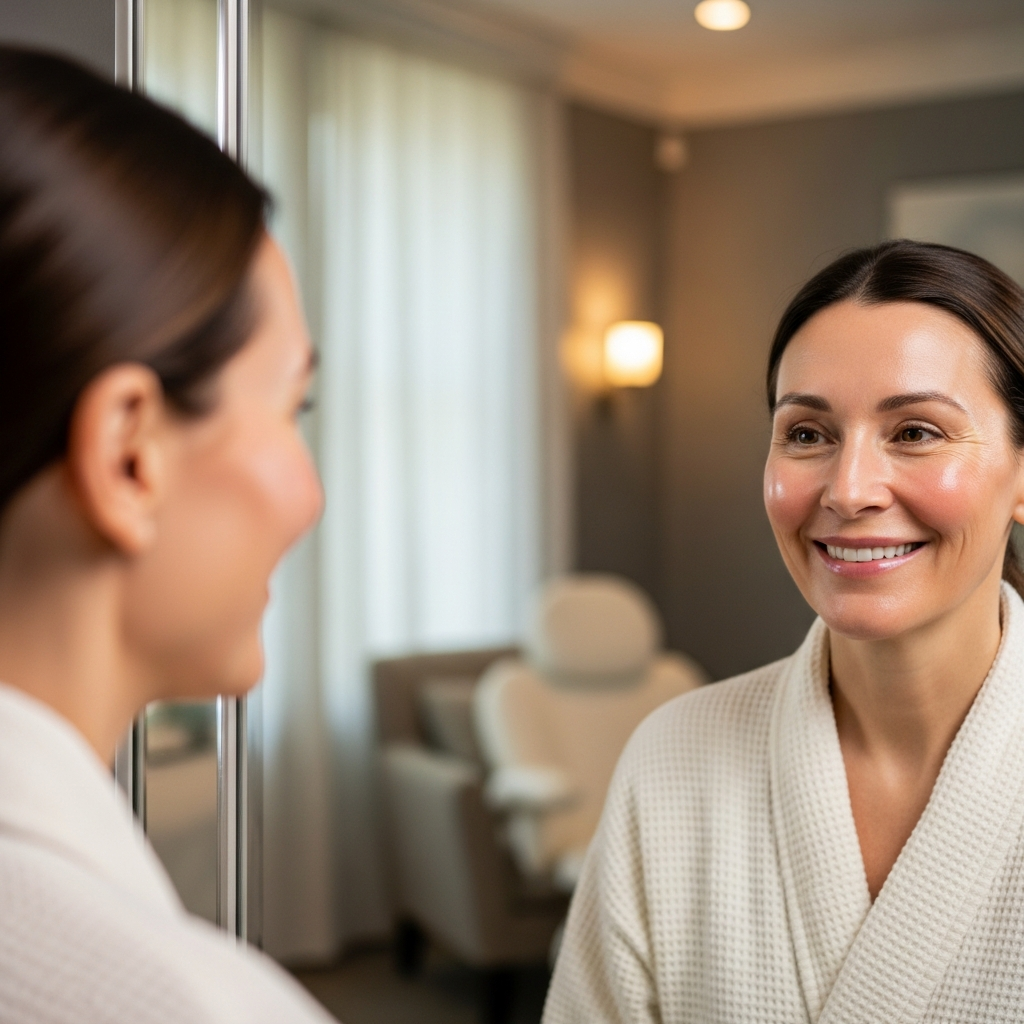
Picture this: you’re getting ready for a big night out, standing in front of your bathroom mirror under those brutally honest lights, and you notice something’s… shifted. Not dramatically. Nothing you can point to and say “that’s the problem.” It’s more like your face looks a little less like *you* than it did a few years ago. A little softer around the jaw. A little heavier under the chin. Like someone turned the dial on your features just a fraction – and you can’t figure out how to turn it back.
Sound familiar? Yeah. Most of us have been there.
Here’s the thing – and this is something people don’t talk about enough – that moment in the mirror doesn’t mean you want to look like a different person. You just want to look like *yourself* again. Refreshed. A little more defined. You’re not chasing some filtered, frozen version of your face. You just want gravity and time to, well… back off a little.
That’s exactly the conversation happening all over Frisco right now.
This north Dallas suburb has always had a reputation for being ahead of the curve – and honestly, when it comes to aesthetic treatments, that’s truer than ever. There’s a quiet revolution happening in med spas and clinics across the city, and it has a name: HIFU. High-Intensity Focused Ultrasound. Which sounds very clinical and slightly intimidating, we know. But stick with us here, because what’s driving the buzz around this treatment is actually pretty simple to understand once someone explains it without drowning you in medical jargon.
HIFU isn’t new, exactly – the underlying technology has been around in medical settings for decades – but the way it’s being used for skin tightening and facial lifting? That’s where things have gotten genuinely exciting. People are walking in on their lunch break and walking out looking like they got a solid eight hours of sleep for a week straight. No surgery. No needles. No “recovery time” that means hiding from your colleagues for two weeks.
And Frisco residents, specifically, seem to be catching on faster than almost anywhere else in the region.
Why here? Why now? That’s actually a really interesting question – and it’s not just about vanity (though honestly, there’s nothing wrong with wanting to feel good in your skin, full stop). It’s about a broader shift in how people think about taking care of themselves. The days of “you just have to accept aging” are colliding head-on with technology that genuinely delivers results, and something fascinating is happening as a result. People are making different choices. More informed choices.
In this article, we’re going to walk you through eight real reasons HIFU has become such a talked-about treatment in Frisco specifically. Some of them you might guess – the non-invasive angle, the minimal downtime, those kinds of practical wins that make sense for busy people with actual lives to manage. But some of them might surprise you. We’ll get into why Frisco’s particular demographic and lifestyle make this treatment such a natural fit, what the science actually says (without the boring parts), and what real people are experiencing when they try it.
We’ll also be straight with you about what HIFU *isn’t* – because nothing’s perfect, and you deserve honest information, not a sales pitch dressed up as an article.
By the time you’re done reading, you’ll have a genuinely clear picture of whether this treatment makes sense for your situation, your lifestyle, and your goals. Not in a vague “consult your provider” way – in an actual, useful, here’s-what-you-need-to-know way.
So whether you’ve already heard whispers about HIFU from a friend at your kid’s soccer game, or you stumbled onto this after a particularly unforgiving selfie, or you’re just the kind of person who likes to stay informed about what’s out there… you’re in the right place.
That mirror moment? It doesn’t have to just be a moment of frustration. It can be the start of actually doing something about it – something that works with your body, not against it.
Let’s get into it.
What Exactly Is HIFU, Anyway?
Okay, so before we get into why everyone in Frisco seems to be talking about this treatment, it helps to understand what we’re actually dealing with. HIFU stands for High-Intensity Focused Ultrasound – and yes, that’s a mouthful. But the concept is actually pretty elegant once you break it down.
Think of it like using a magnifying glass to focus sunlight onto a single point. The sun’s rays pass through the glass harmlessly, but where they converge? That’s where the heat concentrates. HIFU works on the same principle. Ultrasound waves travel through your skin’s surface without damaging it, then focus their energy at a precise depth underneath – generating enough heat to trigger a real, biological response in the tissue.
That response is what makes this whole thing interesting.
Your Skin Has a Repair Mode – HIFU Activates It
Here’s where it gets a little science-y, but stay with me. The layer HIFU targets is called the SMAS layer – the superficial musculoaponeurotic system. It’s basically the same structural layer that surgeons tighten during a traditional facelift. Nobody talks about the SMAS layer at dinner parties, but it’s actually kind of a big deal. It’s the scaffolding beneath your skin that keeps everything lifted and firm.
As we age – and honestly, this starts earlier than most of us want to admit – collagen production slows down. The scaffolding loosens. Things that used to sit higher… don’t anymore. It’s frustrating, and it’s completely normal, but that doesn’t make it any less annoying when you catch yourself in certain lighting.
HIFU creates tiny, precise zones of thermal injury deep in that tissue layer. And before you recoil at the word “injury” – your body’s response to this controlled damage is actually the whole point. It rushes in with a collagen-rebuilding process, gradually tightening and lifting the treated area over the weeks that follow. You’re essentially nudging your body into doing what it used to do naturally.
The Counterintuitive Part (And There Is One)
Here’s the thing that trips most people up when they first hear about HIFU: you won’t see dramatic results immediately. Actually, the full effect can take two to three months to fully develop. For a culture built on overnight delivery and instant results, that feels… counterintuitive.
But think about it like planting a garden rather than buying flowers at the grocery store. The grocery store flowers look great right now – but they’re already on their way out. When you plant something and let it grow, what emerges is genuinely yours, and it lasts. HIFU results can persist for a year or more, because real collagen regeneration takes time to unfold.
Some people notice initial tightening fairly quickly – a subtle “something’s different” feeling in the first few weeks. But the full picture? That comes gradually, which is actually a good thing. Nobody around you is going to clock a sudden dramatic change and start asking uncomfortable questions.
How It’s Different From Other Treatments You’ve Probably Heard Of
HIFU often gets lumped in with laser treatments or radiofrequency devices, and while they’re all playing in the same general neighborhood – non-surgical skin tightening – they’re not the same thing.
Laser treatments work primarily at the surface level of the skin. Radiofrequency (like Thermage, if you’ve come across that name) heats the dermis but typically doesn’t reach the deeper SMAS layer. HIFU is unique because of how precisely it can target that deeper structural tissue without touching the surface. That’s why there’s no real downtime – your skin isn’t being disrupted, just the tissue underneath it.
It’s a bit like the difference between repainting the walls of a house versus reinforcing the foundation. Both have their place. But if you’re noticing things are starting to sag or shift, working at the foundation level tends to create more meaningful, lasting change.
Who Actually Benefits From This?
HIFU tends to work best for people who are experiencing mild to moderate skin laxity – that soft loosening around the jawline, neck, or brow area – but who aren’t quite ready for (or interested in) surgical intervention. It’s not a replacement for a facelift in cases of significant sagging, and any reputable provider will tell you that honestly.
It’s also worth knowing that results vary. Skin quality, age, lifestyle, and how much laxity you’re starting with all play a role. That’s just the truth of it.
What to Actually Do Before Your Appointment
Here’s something most clinics won’t tell you upfront: how you prepare in the two weeks before your HIFU session matters more than most people realize. Start by ramping up your water intake – we’re talking genuinely well-hydrated, not just “I had a glass this morning” hydrated. Skin that’s properly moisturized from the inside responds better to ultrasound energy and tends to recover faster afterward.
Also, skip the retinoids and active acids (glycolic, salicylic – all of them) for at least five days before your appointment. Your skin is about to go through something, and you don’t want to show up already sensitized. Same goes for sunburn. If you’ve been out at Frisco’s outdoor events and you’ve got any redness going on, reschedule without guilt.
Oh, and eat something before you go. This sounds almost too simple, but showing up on an empty stomach can make you more sensitive to discomfort during the procedure. A real meal, not just coffee.
The Consultation Is Where Your Results Actually Start
Don’t treat the consultation like a formality you’re rushing through to get to the “real” appointment. This is where everything gets decided – which depth settings the technician will use, which areas actually need treatment versus which areas you *think* need treatment (not always the same thing), and whether HIFU is even the right tool for what you’re trying to address.
Come in with photos if you can. Seriously. Bring a photo of yourself from three or four years ago and one from now. It gives your provider something concrete to work with rather than trying to describe “I just look… tired” which, relatable, but not super clinical.
Ask specifically about the transducer depths they’re planning to use on different zones of your face. A good provider will explain why they’re targeting the SMAS layer in certain areas versus the dermis in others. If they can’t explain it, that’s information.
Managing Expectations Without Losing Excitement
Real talk: you will not walk out looking dramatically different that day. Actually, for the first week or two, some people look… about the same, or mildly puffy. The collagen remodeling process takes time – typically three to six months for full results – so don’t make the mistake of judging the treatment at week two.
What helps is taking a photo the morning of your appointment, then again at the 30-day mark, 60-day mark, and 90-day mark. The changes happen so gradually that you’ll genuinely miss them without documentation. This isn’t vanity, it’s smart tracking.
And here’s something worth knowing: results tend to compound. People who do a single session often come back for a second one not because the first “didn’t work” but because they saw what was possible and wanted more.
The Aftercare That Actually Moves the Needle
For the first 48 hours, keep things gentle. No intense workouts that spike your core temperature significantly, no saunas (Frisco has no shortage of those spa amenities), and keep your skincare routine boring on purpose – cleanser, simple moisturizer, SPF. That’s it.
After that initial window, this is where most people leave results on the table: they go back to inconsistent skincare and wonder why their results aren’t lasting. HIFU stimulates collagen production, but you have to support that process. A good peptide serum and consistent SPF 30+ use aren’t optional add-ons – they’re essentially part of the treatment.
One genuinely underrated tip? Lymphatic facial massage in the weeks following your session. Nothing intense, just gentle upward strokes for a few minutes each morning. It helps with any residual puffiness and supports circulation in the treated areas. Your provider can show you the technique in about two minutes.
Choosing the Right Provider in Frisco
Not all HIFU devices are equal, and not all providers are equally trained. Look specifically for clinics that use FDA-cleared devices – the original Ultherapy system or comparable cleared technology – and ask how many HIFU treatments their technicians have performed. Three hundred sessions is very different from thirty.
Check whether they do a full facial mapping before the procedure. The ones who skip this step are the ones treating everyone’s face identically, which… isn’t really how faces work.
The Part Nobody Talks About (But Should)
Look, most articles about HIFU are basically just cheerleading. And while there’s plenty to be excited about, it would be doing you a disservice to skip over the parts that actually give people pause. So let’s be real for a minute.
Finding a Qualified Provider in a Crowded Market
Frisco has exploded with med spas and aesthetic clinics over the last few years – which is great for competition and pricing, but genuinely tricky when you’re trying to figure out who actually knows what they’re doing. Not every provider offering HIFU has the same level of training, and the equipment itself varies wildly in quality.
The honest solution here isn’t glamorous: do your homework. Ask specifically about the device they’re using (Ultherapy and Sofwave are FDA-cleared benchmarks worth knowing). Ask how many treatments the provider has personally performed – not the clinic, *them*. Look for someone who will do a real consultation and look at your face, not just hand you a menu of services. If someone’s quoting you a price before they’ve even looked at your skin… that’s a flag.
Managing Your Expectations Around Results
This is probably the biggest source of disappointment people experience, and it’s almost never the treatment’s fault. HIFU works by triggering your body’s own collagen production, which means you’re essentially waiting on your biology. Results typically build over two to six months. Two to six *months*.
If you’re expecting to walk out looking like you had a facelift, you’re going to be disappointed. But if you understand that you’re investing in gradual, natural-looking tightening – the kind where people say “you look great, did you change your hair?” rather than “whoa, what did you do?” – then you’ll likely be thrilled.
A practical tip? Take photos before your treatment. Not because the clinic asks you to (though they will), but because results this subtle and gradual are genuinely hard to perceive in the mirror day to day. Comparison photos three or four months out tend to be that “oh wow” moment people are looking for.
The Discomfort Factor Is Real
Some providers will tell you HIFU is completely painless. That’s… generous. Most people describe it as somewhere between mildly uncomfortable and “okay, that’s intense” depending on the area being treated, the depth of the ultrasound energy, and honestly, just your personal pain tolerance.
Bony areas near the cheekbones and jawline tend to be more sensitive. The forehead can be zingy. Some clinics offer topical numbing cream beforehand, and it’s absolutely worth asking for – or taking an over-the-counter pain reliever about an hour before your appointment. Knowing it’s coming makes it significantly more manageable than being surprised by it.
The Cost Can Feel Like a Lot Upfront
Quality HIFU in the Frisco area typically runs anywhere from $800 to $2,500 or more depending on the areas treated – and it’s not covered by insurance, obviously. For some people, that number is a genuine barrier.
A few things worth knowing: many clinics offer financing options, and some run seasonal promotions (spring and fall tend to be peak times for promotions in the aesthetics world, just something to keep in mind). Also, think about cost over time. HIFU results can last a year or longer, which starts to look pretty reasonable when you’re comparing it to monthly facial appointments or repeat injectable costs. It’s not cheap, but it’s not the same category as a surgical procedure either.
When Results Don’t Show Up as Expected
Sometimes – not often, but sometimes – someone goes through a HIFU treatment and doesn’t see the results they were hoping for. This is worth talking about because it happens, and people feel embarrassed to bring it up.
Age, skin condition, lifestyle factors like smoking or sun damage, and starting expectations all play a role. A good provider will follow up with you. They’ll ask how things are progressing. If results feel underwhelming at the six-month mark, a touch-up or complementary treatment may be an option. The point is – don’t just quietly feel let down. Talk to your provider. That conversation is actually part of what you’re paying for.
None of this is meant to scare you off. It’s meant to help you go in clear-eyed, which is honestly the best thing you can do for yourself.
What to Actually Expect (And When)
Let’s be honest with each other for a second. One of the biggest frustrations people have with any cosmetic treatment – HIFU included – is that the marketing makes it sound like you’ll walk out looking ten years younger by Tuesday. You won’t. And setting that expectation upfront is one of the most important things we can do for you.
HIFU works *with* your body’s natural processes, which means it works on your body’s timeline. Not yours. Not your daughter’s wedding date. Your body’s.
Here’s the real picture.
The First Few Weeks After Treatment
Right after your session, you might notice some mild redness, tenderness, or slight swelling – totally normal, totally temporary. Some people describe a subtle tingling or warmth in the treated areas for a day or two. Nothing that’s going to keep you home from work, but enough that you’ll want to skip the heavy makeup for 24 hours or so.
You might also notice… nothing. Which can feel discouraging. We hear this a lot from patients: “I looked in the mirror the next morning and thought, did anything even happen?” It did. You just can’t see it yet because the real work is happening underneath the surface, where the ultrasound energy is triggering your body’s collagen-rebuilding response.
Think of it like planting seeds. You don’t dig up the soil the next day to check if they’re growing. You water them, you wait, and eventually – something shows up.
The 3-to-6-Month Window Is Where the Magic Happens
Most people start noticing genuine changes somewhere between six and twelve weeks post-treatment. A little more lift around the brow. Some tightening along the jawline. Maybe a friend says you look well-rested without knowing why. These changes tend to be subtle at first – gradual enough that it doesn’t look like you “had something done,” which is honestly what most of our Frisco patients are going for.
By the three-to-six-month mark, you’re typically seeing the most significant results. That’s when collagen production peaks and you get the full picture of what HIFU has accomplished. Some people are thrilled. Some wish they’d done a second treatment sooner. (More on that in a second.)
Results can last anywhere from one to two years depending on your age, skin quality, lifestyle factors, and – let’s be real – genetics. There’s no way to give you a precise expiration date because everyone’s different.
Planning a Second Session
This is where people sometimes get confused. HIFU isn’t a one-and-done situation for everyone. For some patients with more significant laxity, or for those who want to maintain and build on their results, a follow-up treatment at the twelve-month mark makes a lot of sense.
Actually, think of it a bit like a gym membership. The first few months of working out, you’re building the foundation. Continuing the habit is what keeps things looking good long-term. HIFU kind of works the same way – consistent, spaced-out treatments help sustain collagen levels as your skin naturally ages.
Your provider will help you figure out what schedule makes sense for your specific situation.
Having the Right Conversation Before You Commit
Before you book anything, please – have a real consultation. Not a rushed five-minute intake call. A proper conversation where you can ask questions, share your concerns, and hear honestly whether HIFU is the right fit for your goals and anatomy.
Not everyone is the right candidate. People with very advanced skin laxity might be better served by surgical options. People with certain implanted devices or active skin conditions in the treatment area aren’t good candidates at all. A reputable clinic in Frisco will tell you this upfront rather than just taking your money.
Come to your consultation with photos if you have them – pictures of yourself from a few years back, or even just a clear idea of what’s bothering you most. Is it the jawline? The neck? Under-eye area? The more specific you can be, the better your provider can tailor a treatment plan.
One Last Realistic Note
HIFU is genuinely effective, and the reason it’s trending here in Frisco isn’t hype – it’s results. But it works best when patients understand what it can and can’t do, stay patient through the process, and keep realistic expectations from the very beginning. The people who tend to be happiest? They went in informed. That’s the goal here.
There’s something really exciting happening in aesthetics right now – and it’s not just another fleeting trend that’ll disappear in six months. When a treatment earns genuine word-of-mouth buzz *and* backs it up with real science, that’s when you know something meaningful is going on.
And honestly? It makes sense that Frisco specifically has embraced this so enthusiastically. This is a community full of people who work hard, stay active, and want to look as vibrant as they feel – without necessarily signing up for surgery, recovery time, or that slightly “done” look that can sometimes follow more invasive procedures. HIFU fits that lifestyle almost perfectly.
What’s probably struck you across all eight of these reasons is how they’re all connected. The no-downtime thing makes the safety profile feel even more appealing. The gradual, natural-looking results make the lack of incisions feel like a bonus rather than a compromise. It’s rare that so many factors line up this neatly around a single treatment – usually you’re trading something to get something else. With HIFU, that trade-off feels… surprisingly small.
This Isn’t About Chasing Youth
One thing worth sitting with for a moment – because it often gets lost in the excitement around any new aesthetic treatment – is that the goal here isn’t really about looking younger. It’s about looking like *yourself*, just… refreshed. Rested. Like you got eight hours of sleep every night for the past month. That distinction matters, and it’s part of why so many people walk away from HIFU feeling genuinely good about their choice rather than self-conscious about it.
There’s a confidence that comes from subtle improvement. It tends to stick around longer than the dramatic kind.
Every Face Tells a Different Story
Here’s the thing though – and we really mean this – not every treatment is right for every person. HIFU is remarkable, but it works best in specific situations, for specific skin types and concerns. Age, skin laxity, your overall health picture, what you’re actually hoping to address… all of that matters enormously when figuring out whether this is the right fit for you.
That’s exactly why a real conversation with a qualified provider is so valuable before you make any decisions. Not a sales pitch. Just an honest, eyes-open discussion where someone actually looks at your face, listens to your concerns, and tells you the truth – even if that truth is “there’s something else that would serve you better.”
We’d Love to Hear From You
If you’ve been reading through this and finding yourself nodding along, thinking *okay, this actually sounds like it could be for me* – we’d genuinely love to talk with you. No pressure, no hard sell, no “limited time offer” tactics. Just a warm, honest conversation with people who care about helping you feel good in your own skin.
Reach out whenever you’re ready – whether that’s today or three months from now after you’ve sat with it a little longer. We’ll be here either way, happy to answer questions, walk you through what to expect, and help you figure out whether HIFU makes sense for where you are right now.
Because at the end of the day, that’s really what this is all about. Not trends. Not technology for technology’s sake. Just you, feeling like the best version of yourself – and having the support to get there thoughtfully.