Richardson Medical Spa Treatments Explained
You know that feeling when you catch your reflection in a department store mirror under those brutal fluorescent lights? The one where you think “When did *that* happen?” – whether it’s the fine lines around your eyes that seem to have appeared overnight, or the way your skin just looks… tired. Yeah, that moment. We’ve all been there.
Maybe you’ve scrolled through social media lately and wondered how everyone else seems to have figured out this whole “aging gracefully” thing. (Spoiler alert: they haven’t figured it out any more than you have – they’ve just found some really good help.) Or perhaps you’ve been dealing with stubborn areas that don’t respond to diet and exercise, no matter how many planks you do or how much kale you choke down.
Here’s the thing – and I say this as someone who’s talked to hundreds of people wrestling with these exact concerns – you’re not being vain. You’re not being shallow. You’re human. And humans deserve to feel confident in their own skin.
That’s where Richardson’s medical spa scene comes in… but let’s be honest, it can feel overwhelming. Walk into any medical spa and you’re hit with a alphabet soup of treatments: IPL, CoolSculpting, Botox, dermal fillers, laser this, radio frequency that. It’s like they’re speaking a different language, and you’re just standing there trying to figure out what might actually help you look and feel like yourself again – just, you know, the best version.
I get it. The medical aesthetics world can feel intimidating, especially if you’re used to thinking of “spa treatments” as cucumber water and relaxing music. Medical spas are different beasts entirely – they’re where medicine meets beauty, where actual doctors and trained professionals use FDA-approved technology to address concerns that your regular facial just can’t touch.
But here’s what nobody tells you upfront: not all treatments are created equal, and what works miracles for your neighbor might not be right for you at all. Your skin type, your concerns, your lifestyle, your budget – it all matters. And frankly? Some places are better than others at helping you figure out what makes sense.
Richardson has become something of a hub for medical aesthetics – probably because we’ve got that perfect storm of an educated population that values looking their best and the disposable income to invest in themselves. But with great options comes great confusion. How do you know if you need a HydraFacial or a chemical peel? Whether CoolSculpting or Emsculpt is better for your goals? If those Instagram ads for laser treatments are too good to be true?
That’s exactly what we’re going to sort out together. Think of this as your translator for the medical spa world – the friend who’s done the research, asked all the awkward questions, and can tell you what’s actually worth your time and money.
We’ll walk through the most popular treatments you’ll find at Richardson medical spas, but not in some dry, clinical way. Instead, we’ll talk about what each treatment actually *does* (in plain English), what it feels like, what you can realistically expect, and – perhaps most importantly – what it costs and whether it’s worth it.
You’ll learn which treatments are having a major moment right now and why, which ones might be overhyped, and how to spot the difference between a place that’s genuinely interested in your results versus one that’s just interested in your wallet.
Because here’s what I believe: everyone deserves to feel comfortable and confident. Whether that means addressing signs of aging, dealing with stubborn fat, improving skin texture, or just maintaining what you’ve got – there are legitimate, scientifically-backed ways to help you get there.
You don’t have to accept that “this is just how I look now.” You also don’t have to feel guilty about wanting to look your best. What you *do* need is good information from someone who understands that your face and body are investments worth protecting… and improving, if that’s what makes you happy.
So let’s demystify this whole thing, shall we?
What Exactly Makes a Medical Spa… Medical?
You know how regular spas feel like stepping into a cloud of lavender and good intentions? Medical spas are different – they’re more like that friend who’s both incredibly zen *and* happens to be a doctor. The “medical” part isn’t just fancy marketing speak… it means there’s actual medical oversight happening.
Think of it this way: if a regular spa is like your neighborhood coffee shop, a medical spa is like that coffee shop that also happens to employ a master sommelier. Same relaxing vibe, but with serious expertise backing up every decision. At Richardson medical spas, you’ve got licensed medical professionals – doctors, nurse practitioners, physician assistants – calling the shots on treatments that go deeper than your typical facial.
The treatments here can actually change your skin’s structure, boost collagen production, or target fat cells in ways that… well, frankly, would be illegal for a regular spa to attempt. We’re talking about controlled medical procedures that just happen to take place in a really nice environment.
The Science Behind Looking (and Feeling) Better
Here’s where things get interesting – and honestly, a bit counterintuitive. Most of the magic happening at medical spas works by creating tiny, controlled damage to trigger your body’s healing response. I know, I know… it sounds backwards.
Take microneedling, for example. We’re literally creating microscopic injuries in your skin so your body says, “Oh no! Better send in the collagen cavalry!” It’s like convincing your skin to renovate itself from the inside out. Your body doesn’t know we’re doing this on purpose – it just knows it needs to repair and rebuild.
Chemical peels work on a similar principle. We’re essentially giving the top layer of your skin its walking papers so the fresh, new skin underneath can take center stage. Think of it like… peeling away old wallpaper to reveal the gorgeous original walls underneath.
Then there’s laser therapy – which honestly still feels a bit like science fiction to me, even after seeing the results hundreds of times. We’re using concentrated light energy to target everything from broken blood vessels to unwanted hair follicles. The laser heats up specific targets (like melanin in hair or hemoglobin in blood vessels) while leaving surrounding tissue alone. It’s incredibly precise – like using a surgical scalpel made of light.
Non-Invasive vs. Minimally Invasive: The Spectrum of Options
This is where people often get confused, and I don’t blame them. The terminology can be… well, confusing.
Non-invasive treatments don’t break the skin at all. Think facials, LED light therapy, or certain types of body contouring that use heat or cold from the outside. You walk in, get treated, and walk out looking like you just had a really good nap.
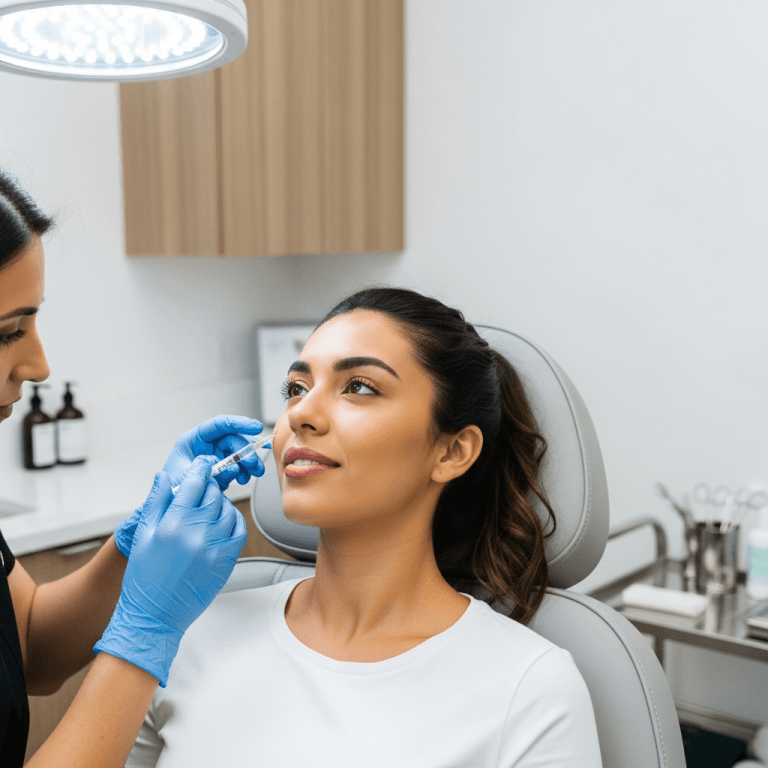
Minimally invasive procedures involve tiny entry points – think injections, microneedling, or laser treatments that create microscopic channels in your skin. There might be some redness, maybe a bit of swelling, but we’re not talking about major downtime here.
The beauty of medical spa treatments is that they exist in this sweet spot between “doing nothing” and “going under the knife.” You get real, measurable results without the drama of surgery.
Your Body’s Role in the Process
Here’s something that might surprise you – you’re not just a passive recipient of these treatments. Your body is doing most of the heavy lifting. We’re basically just… giving it very specific instructions and the right environment to do its thing.
After Botox, your muscles gradually learn to relax in new patterns. With dermal fillers, your body slowly metabolizes the product while maintaining the structural support it provided. Radiofrequency treatments heat up deeper layers of skin, triggering collagen production that continues for months after your appointment.
It’s like we’re planting seeds and your body does the growing. The results you see today? That’s just the beginning. Your skin will continue improving for weeks or even months after many treatments.
Actually, that reminds me of something important – patience isn’t just a virtue with medical spa treatments, it’s pretty much required. Unlike makeup or a great haircut that gives instant gratification, these treatments often work on “biological time.” Your cells need time to regenerate, your collagen needs time to rebuild, your body needs time to process and respond.
But when it does respond? That’s when the real magic happens.
What to Expect During Your First Consultation
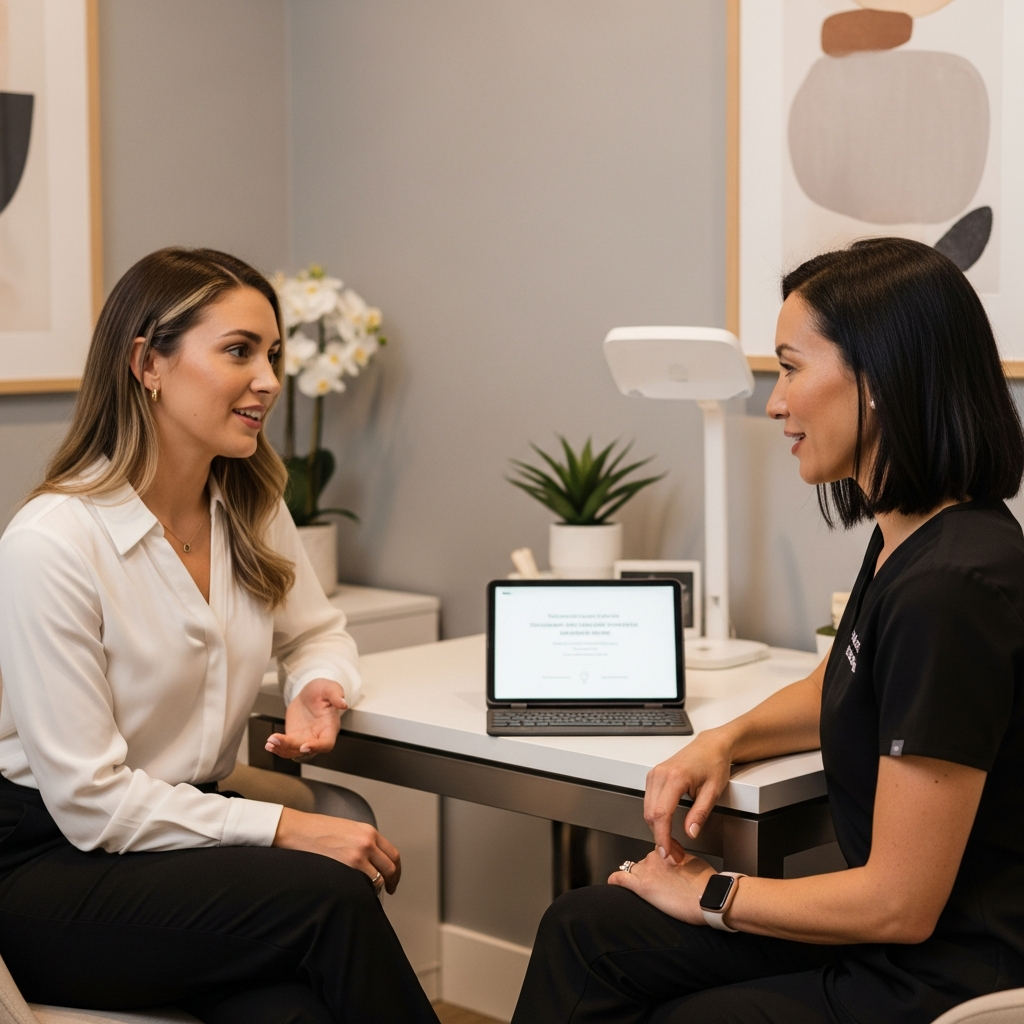
Here’s the thing nobody tells you – that first consultation isn’t just about what treatments you want. It’s about what your skin can actually handle right now. We’ve seen too many people walk in asking for the most aggressive treatment possible, thinking more equals better results. That’s… not how this works.
Your aesthetician will likely spend 15-20 minutes just looking at your skin under different lights. Don’t be surprised if they recommend starting with something completely different than what you had in mind. When someone comes in asking for CO2 laser resurfacing but their skin barrier is compromised from over-exfoliating at home? We’re starting with hydrating treatments first.
Come to your consultation makeup-free if possible. I know, I know – that’s terrifying. But foundation and concealer hide the very things we need to assess. If you absolutely can’t, bring makeup wipes. Your aesthetician has seen it all anyway.
Timing Your Treatments Like a Pro
This is where people mess up constantly. You can’t just book a chemical peel two weeks before your daughter’s wedding and expect to look glowing. Your skin doesn’t work on your social calendar’s timeline.
Here’s the real timeline breakdown: light treatments like HydraFacials? You’ll look great immediately, maybe slightly pink for an hour. Medium-depth peels? Plan for 5-7 days of peeling that looks… well, like you’re molting. Deeper treatments like laser resurfacing can mean 10-14 days of serious downtime.
We always tell patients to work backwards from important events. Big presentation at work? Book your treatment at least two weeks prior. Actually, make that three weeks if you’ve never done the treatment before – you never know how your skin will react.
And here’s something most places won’t mention: your hormones matter. If you’re prone to breakouts around your cycle, don’t schedule extractions or peels during that week. Trust me on this one.
The Pre-Treatment Prep That Actually Matters
Forget the expensive pre-treatment serums they try to sell you (unless your provider specifically says you need them). The real prep is simpler – and cheaper.
Stop using retinoids 3-7 days before most treatments. Yes, even if you’ve been using them for years. Your skin might be “used to it,” but combined with professional treatments, you’re asking for irritation.
Hydration is everything. Start drinking more water two days before your appointment, not the morning of. Your skin cells need to be plump and healthy to respond well to treatments.
Here’s the secret nobody talks about: get a good night’s sleep before your treatment. Seriously. When you’re exhausted, your skin is more reactive and heals more slowly. I’ve noticed this pattern for years – well-rested patients consistently have better results and less irritation.
Post-Treatment Reality Check
The Instagram-worthy glow you see in before-and-after photos? That’s usually 2-4 weeks post-treatment, not immediately after. The day after most treatments, you might look worse before you look better.
Keep your routine stupidly simple for the first week. Gentle cleanser, moisturizer, SPF. That’s it. This isn’t the time to try that new vitamin C serum you’ve been saving. Your skin is in repair mode – don’t confuse it with a bunch of active ingredients.
Ice is your friend for the first 24 hours, especially after injectable treatments or anything that causes swelling. But don’t go crazy – 10 minutes on, 10 minutes off. You’re not trying to freeze your face.
When Things Don’t Go as Planned
Sometimes treatments don’t work the way we expect. Maybe you break out after a facial (totally normal if you’re prone to congestion), or that chemical peel didn’t give you the dramatic results you hoped for.
Here’s what I wish more people understood: one treatment rarely transforms your skin completely. Most conditions – acne scars, melasma, fine lines – require a series of treatments spaced weeks apart. Think of it like going to the gym once and expecting to see muscle definition. It’s a process.
If you’re not happy with results, wait at least two weeks before making any judgments. Skin cell turnover takes time. Then – and this is important – communicate with your provider. Good medical spas want you happy and will work with you to adjust your treatment plan.
Don’t suffer in silence or, worse, try to “fix” things at home with aggressive products. When in doubt, call your provider. That’s what they’re there for.
When Your Body Just Won’t Cooperate
You know that feeling when you’re doing everything “right” but the scale won’t budge? Yeah, we see that frustration walk through our doors pretty much daily. Sometimes your metabolism decides to take a vacation right when you need it most. It’s maddening.
Here’s what actually works: we often need to shake things up with combination treatments. Maybe pair CoolSculpting with some metabolic support, or add peptide therapy to boost that sluggish system. Sometimes it’s about working with your body’s natural rhythms instead of fighting them.
The Pain Factor (Let’s Be Real About This)
Nobody wants to hear that effective treatments might be uncomfortable, but I’m not going to sugarcoat it. Some of our most popular treatments – like CoolSculpting or certain body contouring procedures – can feel pretty intense.
During CoolSculpting, you’ll feel this weird pulling sensation, then numbness, then… well, it’s called “CoolSculpting” for a reason. Those first few minutes? Not exactly a spa day. But here’s the thing most people don’t tell you – your body adapts faster than you think.
What we do to help: We’ve learned that distraction is your best friend. Bring headphones, download that show you’ve been meaning to binge, or just chat with us (we’re pretty entertaining, if we do say so ourselves). Some clients even take calls during treatments – multitasking at its finest.
For the really sensitive folks, we can discuss timing treatments around your cycle, adjusting settings, or even exploring gentler alternatives that take longer but feel better.
The Money Reality Check
Let’s talk about the elephant in the room – this stuff isn’t cheap. And unlike that gym membership you forgot about, these treatments actually require showing up and following through.
The sticker shock is real, especially when you realize that one treatment rarely does the trick. Most of our effective protocols involve multiple sessions spread over months. It’s like… you wouldn’t expect to get fit with one workout, right? Same principle applies here.
Here’s how to make it work: Start with a consultation where we map out realistic expectations and timelines. Many clients do better spreading treatments out and focusing on one area at a time rather than trying to do everything at once. We also offer package deals that make the math a little friendlier.
And honestly? Sometimes the DIY approach between treatments makes a huge difference. We’ll teach you what you can do at home to extend and enhance your results – it’s not all about what happens in our clinic.
Managing Expectations vs. Instagram Reality
Social media has done a real number on people’s expectations, hasn’t it? You see these dramatic before-and-after shots and think that’s going to be your Tuesday afternoon.
The truth is messier. Real results take time, and they’re often subtle at first. You might notice your clothes fitting differently before you see dramatic changes in photos. Your partner might comment that you look refreshed before you see a major difference in the mirror.
The solution isn’t lowering your expectations – it’s understanding the timeline. We take progress photos from day one because memory is surprisingly unreliable when it comes to gradual changes. Three months later, when you’re wondering if anything’s happening, those photos tell the real story.
When Life Gets in the Way
Here’s what nobody warns you about – starting a treatment plan right before your schedule explodes. Suddenly you’re traveling for work, dealing with family drama, or just hitting one of those overwhelming life phases where self-care feels impossible.
The perfectionist in you wants to wait for the “right time,” but there’s rarely a perfect window. Instead, we work with your actual life. Maybe we adjust treatment spacing, or focus on maintenance rather than aggressive changes during busy periods.
The key is communication – don’t just disappear if life gets crazy. We can often find workarounds or at least pause things properly so you don’t lose momentum when you’re ready to restart.
Setting Realistic Expectations – Because Nobody Likes Unpleasant Surprises
Here’s the thing about medical spa treatments – they’re not magic wands. I know, I know… you’ve probably seen those dramatic before-and-after photos on Instagram where someone looks like they’ve discovered the fountain of youth in three days. But let’s be real for a minute.
Most treatments take time to show their full potential. Think of it like planting a garden – you don’t throw seeds in the ground on Monday and expect roses by Friday. Your skin needs time to respond, regenerate, and reveal those improvements you’re hoping for.
Botox and fillers? You might see some immediate results from fillers (hello, instant plumpness!), but the real magic happens over the first two weeks as everything settles. Botox is even more patient – it typically takes 3-7 days to start working and up to two weeks to reach full effect. Don’t panic if you look in the mirror day two and think “did anything even happen?”
Laser treatments and chemical peels are playing the long game. You might actually look a little rough for a few days – think sunburned or lightly peeling. That’s not failure, that’s your skin doing exactly what it’s supposed to do. The fresh, glowing results usually emerge after about a week, with continued improvement over several weeks.
What’s Normal vs. When to Worry
Let’s talk about those first few days after treatment, because honestly? They can be a little anxiety-provoking if you don’t know what to expect.
Some redness, mild swelling, or tenderness? Totally normal. Your skin just went through a controlled injury (sounds scary, but that’s literally how these treatments work), so of course it’s going to react. It’s like working out – you expect some muscle soreness afterward, right?
Here’s when you should actually pick up the phone and call us: severe pain that gets worse instead of better, signs of infection (think unusual warmth, pus, or red streaking), or any reaction that seems way more intense than what we discussed during your consultation.
Most people are pleasantly surprised by how manageable the recovery is. Sure, you might need to reschedule that big presentation if you’re getting a deeper peel… but for many treatments, you can literally go back to work the same day.
Your Follow-Up Plan
This isn’t a “see you later, good luck” situation. We’re going to be checking in on you – partly because we care about your results, and partly because (let’s be honest) we need to make sure everything’s progressing as expected.
Most treatments include a follow-up appointment about 2-4 weeks later. This isn’t just a courtesy call – it’s when we can really assess how you’re responding and whether any tweaks are needed. Sometimes that means scheduling a touch-up, adjusting your skincare routine, or planning your next treatment.
Think of us as your skin’s coaching team. We’re not just here for the main event – we’re here for the whole process.
Planning Your Treatment Timeline
Here’s where a little strategic thinking goes a long way. Got a wedding coming up in two months? Perfect timing for starting a series of treatments. Have a beach vacation in two weeks? Maybe let’s wait until after…
Most of our clients develop a rhythm with their treatments. Botox every 3-4 months, maintenance facials monthly, laser treatments seasonally. It becomes part of your routine, like getting your hair done or your teeth cleaned.
And here’s something nobody talks about enough – budget planning. These treatments are an investment (yes, I said investment, not expense), and spacing them appropriately makes it more manageable financially and gives your skin time to respond optimally.
Moving Forward with Confidence
The best part about medical spa treatments? Once you find what works for you, it becomes surprisingly straightforward. You’ll develop preferences, know what to expect, and honestly? Start looking forward to your appointments.
Your next step is simple – stick to your aftercare instructions (I know they seem excessive, but trust the process), show up for your follow-up, and don’t hesitate to reach out with questions. We’d rather answer the same question five times than have you worry unnecessarily.
Remember, good results take time, but they’re absolutely worth the wait.
You Don’t Have to Figure This Out Alone
Here’s the thing about medical spa treatments – they can feel overwhelming when you’re trying to sort through all the options. Botox versus fillers, laser treatments versus chemical peels… it’s like being handed a menu in a language you don’t quite speak fluently.
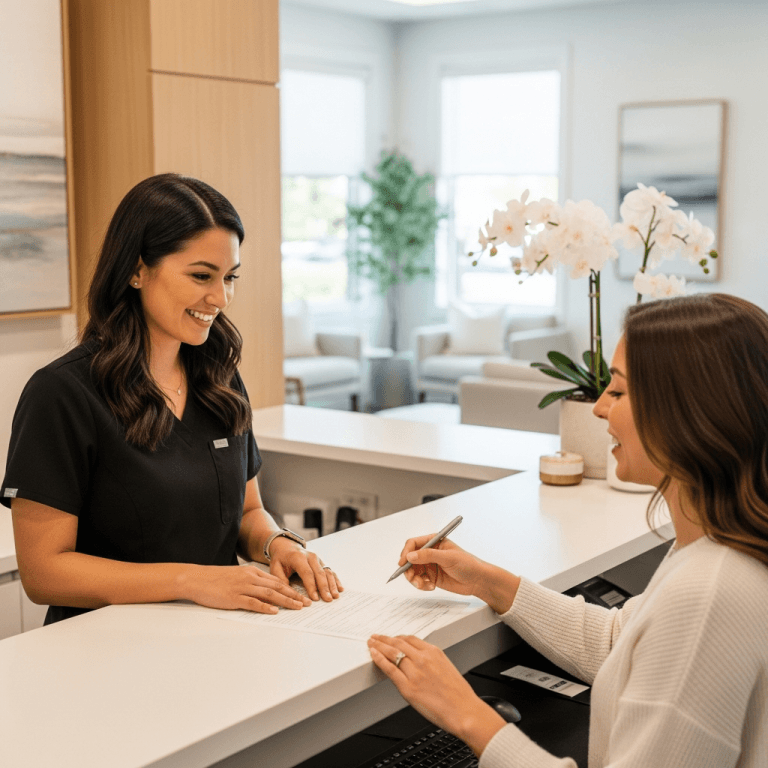
But that’s exactly why places like Richardson Medical Spa exist. You’re not just getting a treatment; you’re getting guidance from people who actually understand what you’re going through. They’ve seen the hesitation in your eyes when you look in the mirror. They know that tight feeling in your chest when nothing in your closet feels right anymore.
The treatments we’ve talked about today aren’t magic bullets – let’s be real about that. Whether it’s CoolSculpting helping you tackle those stubborn areas that diet and exercise just won’t touch, or medical-grade facials giving your skin the reset it’s been craving, these are tools. Really effective tools, but tools nonetheless. The real magic happens when you find the right combination that works for your body, your lifestyle, your goals.
And honestly? Sometimes the biggest transformation isn’t even visible in the mirror. It’s that moment when you catch yourself standing a little taller, or when you stop avoiding certain clothes, or when you realize you haven’t thought about that one thing that’s been bothering you for months. That confidence shift – that’s the stuff that changes everything.
Your concerns are valid, by the way. Whether you’re worried about pain levels, recovery time, or whether you’re “too old” or “too young” for certain treatments… these thoughts don’t make you vain or superficial. They make you human. We all want to feel comfortable in our own skin, and there’s absolutely nothing wrong with getting a little help making that happen.
The team at Richardson Medical Spa gets this completely. They’re not going to pressure you into treatments you don’t need or make you feel silly for asking questions. Actually, that reminds me – never apologize for asking lots of questions. Your face, your body, your investment. You deserve clear, honest answers.
Maybe you’re still on the fence about whether medical spa treatments are right for you. That’s okay too. Sometimes the best first step is just having a conversation with someone who can look at your specific situation and help you understand what might actually be helpful versus what’s just good marketing.
If any of this has resonated with you – if you’re tired of feeling frustrated with your reflection or if you’re curious about what options might work for your particular situation – why not reach out? Schedule a consultation. No commitments, no pressure. Just a real conversation with people who understand that this decision isn’t just about looking different; it’s about feeling like yourself again.
You deserve to feel confident and comfortable in your own skin. And you don’t have to navigate this alone.